
When it comes to staying safe at home as we age, we often look toward technology and medical equipment to provide that extra layer of security. Whether you are a senior looking to maintain your independence or a caregiver trying to make a loved one’s home a bit safer, fall prevention products are usually the first line of defense.
However, there is a significant difference between having a fall prevention product and using it correctly. In my years working with mobility aids and home safety, I’ve seen time and again how well-intentioned families invest in high-quality gear only to have it fail them because of a few common oversights.
It’s not just about buying a gadget; it’s about understanding how that tool interacts with your body and your environment. Today, I want to walk you through seven of the most common mistakes people make with fall prevention products and, more importantly, how you can fix them to ensure true peace of mind.
1. Relying on Suction-Cup Grab Bars
It is one of the most common sights in a bathroom: a plastic grab bar held to the tile by two large suction cups. On the surface, it seems like a great idea. There are no holes to drill, it’s portable, and it’s inexpensive.
The mistake here is treating a temporary convenience as a permanent safety solution. Suction cups rely on a perfect vacuum seal against a non-porous surface. Over time: or even just overnight: steam, soap scum, or slight changes in temperature can cause that seal to weaken. You might go to grab it during a slip, only for the entire bar to pop off the wall.
The Fix:
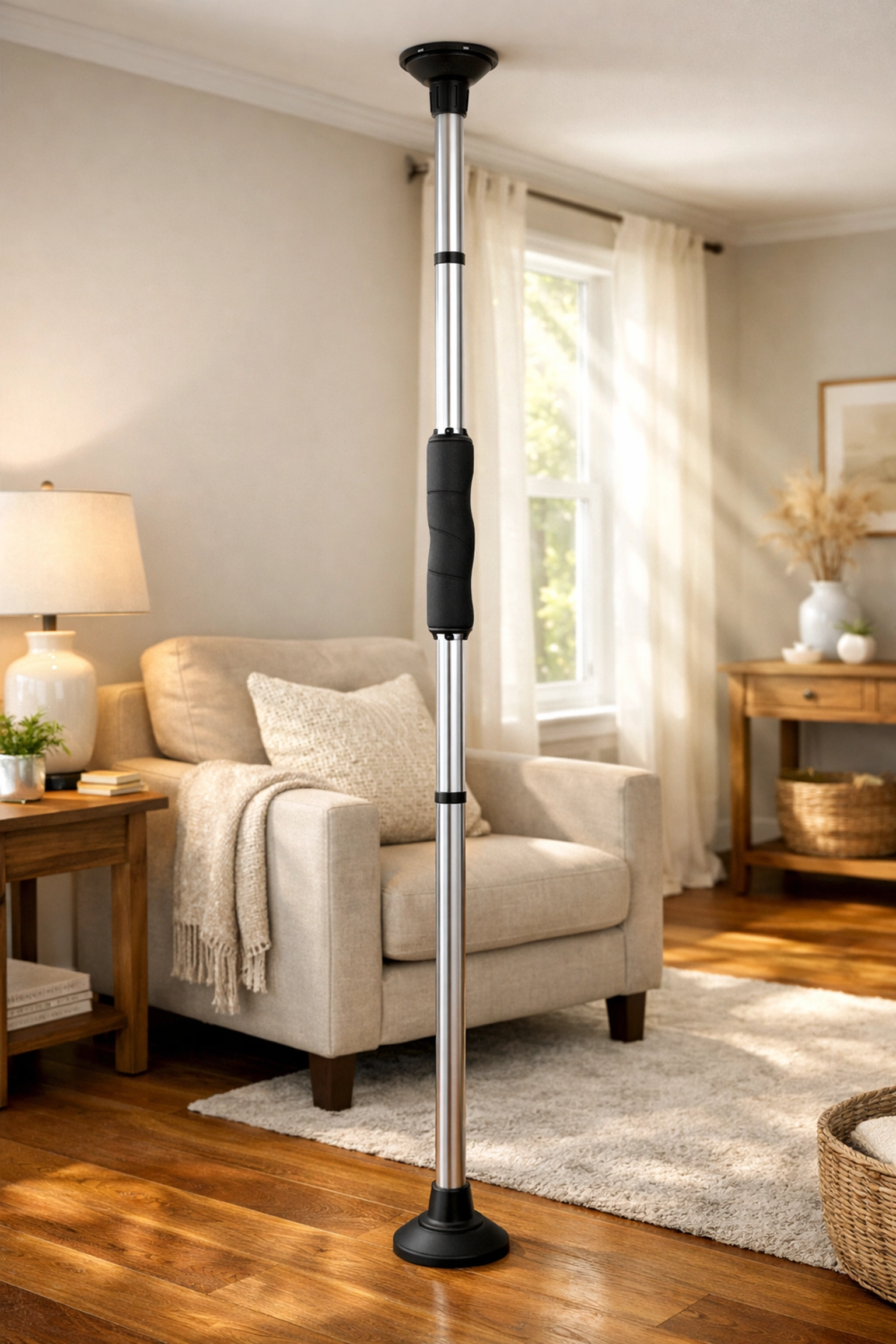
Whenever possible, opt for permanent, wall-mounted grab bars that are screwed into the wall studs. If you are in a rental or cannot drill into the walls, consider a floor-to-ceiling tension pole. These poles use the structural integrity of your floor and ceiling to provide a rock-solid handhold that won’t budge when you need it most. If you must use a suction bar for travel, check the seal every single time you use it: but never trust it to hold your full body weight in an emergency.
2. Setting Mobility Aids to the Wrong Height
Whether it’s a cane, a walker, or a specialized support rail, the height of the device is critical. I often see people using a walker that is set too high, causing their shoulders to hunch up toward their ears, or a cane that is too low, forcing them to lean forward in a precarious "hunched" position.
When a mobility aid isn’t sized correctly, it doesn't just feel uncomfortable; it actually shifts your center of gravity. This makes you more likely to tip forward or lose your balance: the exact opposite of what the product is supposed to do.
The Fix:
To find the correct height for most canes and walkers, stand as straight as possible with your arms hanging naturally at your sides. The handle of the device should align with the crease of your wrist. This allows for a slight, comfortable bend in the elbow (about 15 to 20 degrees) when you are holding the device. This bend is essential because it allows your arm muscles to act as shock absorbers and provides better leverage for support.
3. The "Set It and Forget It" Maintenance Trap
We tend to think of medical equipment as "one and done" purchases. You buy the walker, you put it in the hallway, and you expect it to work forever. But fall prevention products are mechanical devices, and like any machine, they experience wear and tear.
Rubber tips on the bottom of canes and walkers are the most common culprits. These tips provide the friction needed to prevent the device from sliding out from under you. Once the tread wears down: similar to a car tire: the device becomes a slip hazard, especially on smooth surfaces like hardwood or tile.
The Fix:
Perform a "Monthly Safety Check." Inspect the rubber ferrules (the tips) on all canes and walkers for cracks or smoothing. Tighten any bolts or knobs on bed rails or tension poles. If your walker has wheels, ensure they aren't wobbling or clogged with hair and carpet fibers. Replacing a five-dollar rubber tip can prevent a thousand-dollar hospital visit.
4. Using Furniture as a Substitute for Proper Aids
We call it "furniture walking." It’s that habit of moving through a room by grabbing the back of a sofa, the edge of a table, or a door frame to steady yourself. While it feels natural to reach for the nearest object, furniture is rarely designed to support the sudden weight of a falling person.
A light end table can tip over, a rolling chair can slide away, and a sofa cushion can shift. When you rely on furniture, you are gambling on the stability of an object that wasn't built for safety.
The Fix:
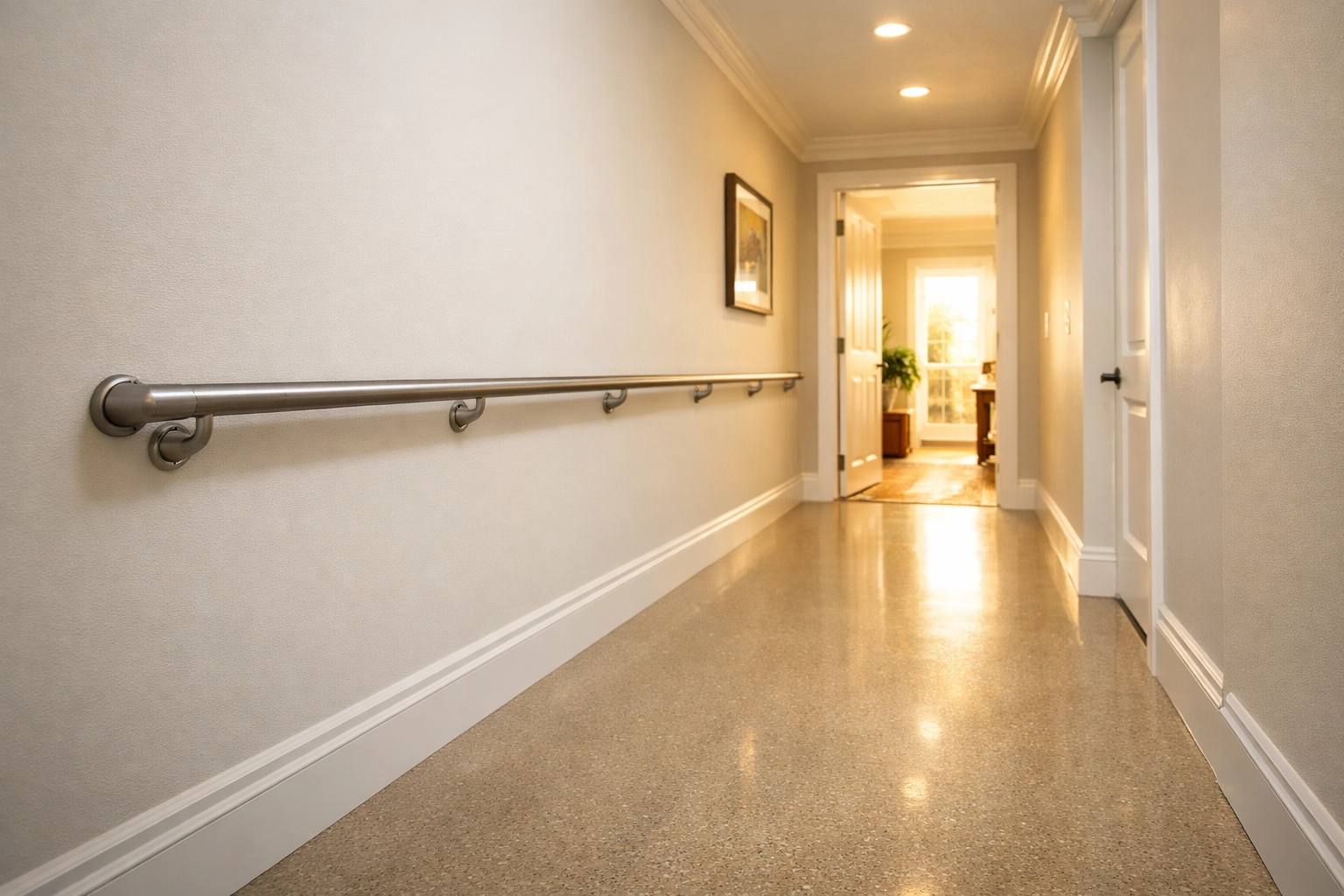
Clear the paths. Instead of relying on furniture, ensure that proper mobility aids are always within reach. If you find yourself reaching for the wall in a specific hallway, that’s a clear sign that a professional grab bar or a support rail should be installed there. The goal is to create a "continuous chain of support" throughout the home so you never have to guess if an object will hold you.
5. Ignoring Weight Capacities
Every piece of medical equipment has a weight capacity, and this isn't just a suggestion: it’s a structural limit. However, there is a nuance many people miss: static weight versus dynamic weight.
A rail might be rated for 250 pounds if you lean on it gently (static), but if you are actually falling and "throw" your weight onto it (dynamic), the force applied can be much higher than your actual body weight. If you are close to the weight limit of a standard product, the risk of structural failure during a fall increases significantly.
The Fix:
Always check the manufacturer's specifications. If you or your loved one are over 200 pounds, it is often worth investing in "bariatric" or "heavy-duty" versions of products. These are built with thicker steel and reinforced joints. It provides a much higher safety margin and, frankly, a much greater sense of security when you use it.
6. Poor Placement of Bed and Chair Rails
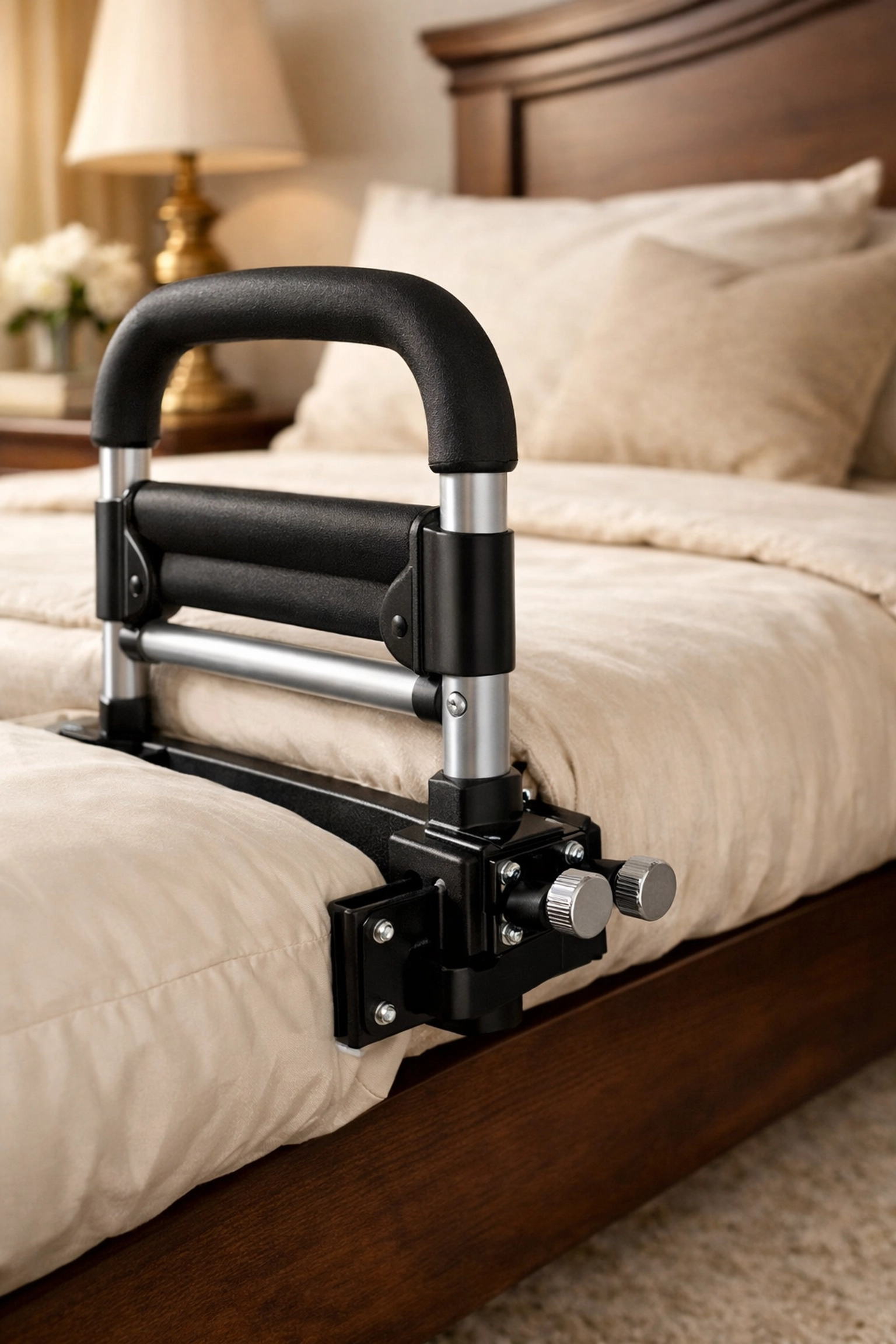
A bed rail is a fantastic tool for helping someone sit up or get out of bed safely. However, if it is placed incorrectly, it can actually create a new danger: entrapment. If the rail is positioned too far toward the head or foot of the bed, it can create a gap where a limb or even the torso can get stuck.
Similarly, chair rails or "stand-assist" devices need to be positioned so that the user is pushing down to stand up, rather than pulling out. Pulling horizontally on a device that isn't bolted to the floor can cause the device (or the chair it’s attached to) to tip toward you.
The Fix:
Follow the installation guides meticulously. For bed rails, ensure there are no gaps between the rail and the mattress. Many modern rails come with safety straps that wrap around the bed frame to prevent the rail from sliding out. For chair-side aids, ensure the base of the aid is tucked firmly under the feet of the chair or couch to use the furniture’s own weight as an anchor.
7. Over-Reliance on Gear While Neglecting the Body
This might be the most important point of all. Sometimes, people think that if they have the best walker, the best rails, and the best non-slip mats, they don't need to worry about their physical conditioning.
The mistake is viewing fall prevention products as a replacement for balance and strength, rather than a supplement to it. If your muscles weaken from lack of use because you are relying entirely on a device to pull you up, you actually become more at risk of a fall when you are away from those devices (like when you're in a public restroom or a friend's house).
The Fix:
Balance safety products with a focus on "functional mobility." This means working on leg strength and core balance under the guidance of a physical therapist or through gentle exercises like Tai Chi or seated yoga. The best fall prevention strategy is a "two-pronged approach": a safe, well-equipped environment and a strong, capable body.
Creating a Culture of Safety
At the end of the day, fall prevention is about building a lifestyle that prioritizes longevity and independence. It’s okay to need help, and it’s smart to use tools that make your life easier. But those tools are only as effective as the thought we put into their use.
I always encourage caregivers and seniors to do a "walk-through" of the home once every few months. Look at the equipment with fresh eyes. Is it wobbly? Is it in the right place? Does it still meet the user's current needs?
Needs change. A cane that worked three years ago might need to be upgraded to a walker today. A grab bar that was "fine" might need a companion rail on the opposite side of the tub. Stay proactive, keep an eye on the details, and don't be afraid to make adjustments.
By avoiding these seven mistakes, you aren't just buying equipment; you are investing in a safer, more confident future. Stay safe out there, and remember that a little bit of maintenance and the right setup go a long way in keeping you on your feet.

