
The bathroom is one of the most dangerous rooms in your home. Wet surfaces, hard fixtures, and tight spaces create a perfect storm for accidents. In fact, over 230,000 bathroom-related injuries send people to emergency rooms each year, with most involving slips, falls, and burns.
The good news? Most bathroom accidents are completely preventable. You don't need a major renovation or expensive equipment to make your bathroom safer. Often, it's the small oversights and habits we don't even think about that put us at risk.
Let's look at seven common bathroom safety mistakes you might be making right now: and how to fix them today.
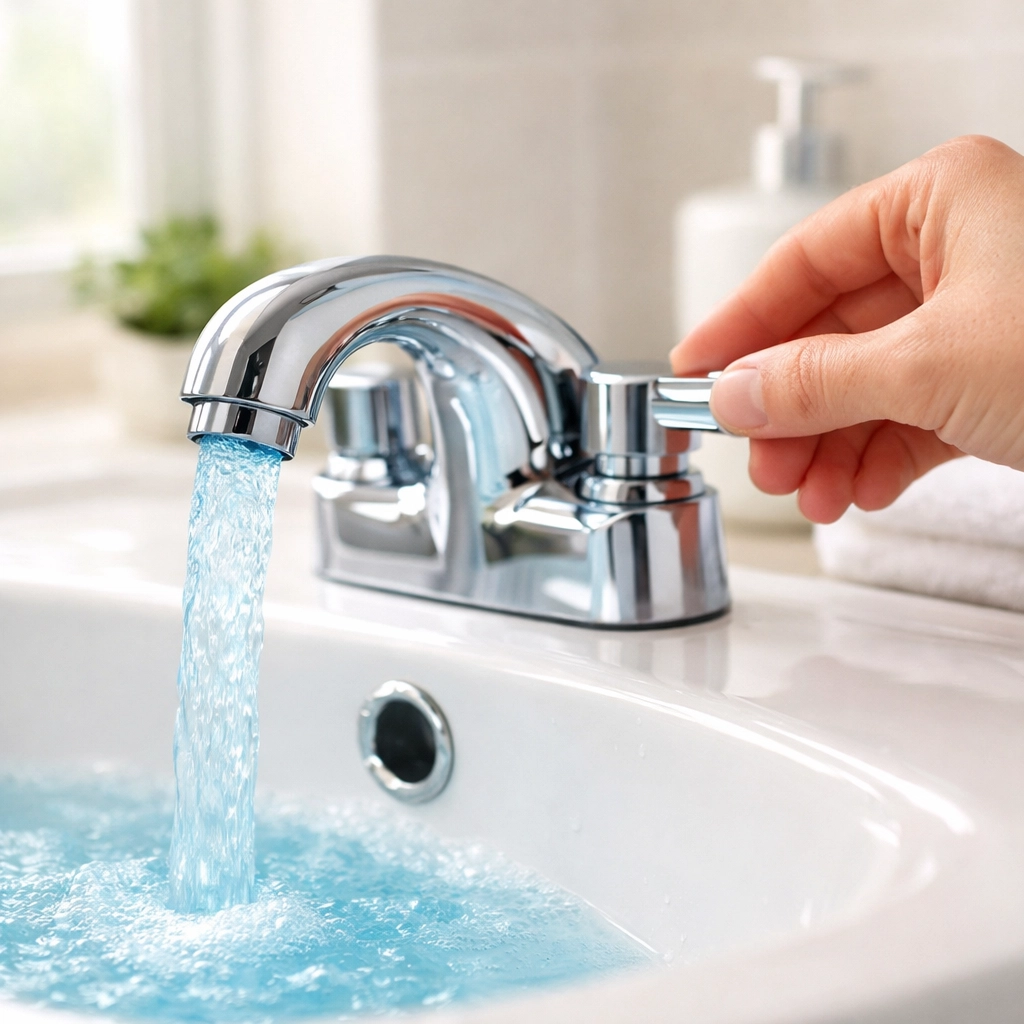
Mistake #1: Running Hot Water First
Here's a habit you probably don't think twice about: turning on the hot water tap first, then adjusting with cold. It seems harmless enough, but this simple routine puts you at risk for scalding injuries.
When hot water flows first, it can reach dangerously high temperatures before you have a chance to dilute it. If you accidentally step into the stream or place your hand under it, you could suffer serious burns in just seconds. This is especially risky for older adults, whose skin tends to be thinner and more sensitive to heat.
The fix: Always start with cold water, then gradually add hot water until you reach a comfortable temperature. This gives you complete control over the warming process and eliminates the risk of sudden scalding. It takes just a few extra seconds but makes a significant difference in safety.
Test the water with your hand or wrist before stepping in completely. The wrist is particularly sensitive to temperature changes and gives you a more accurate reading than your fingertips.
Mistake #2: Not Mixing Bath Water Properly
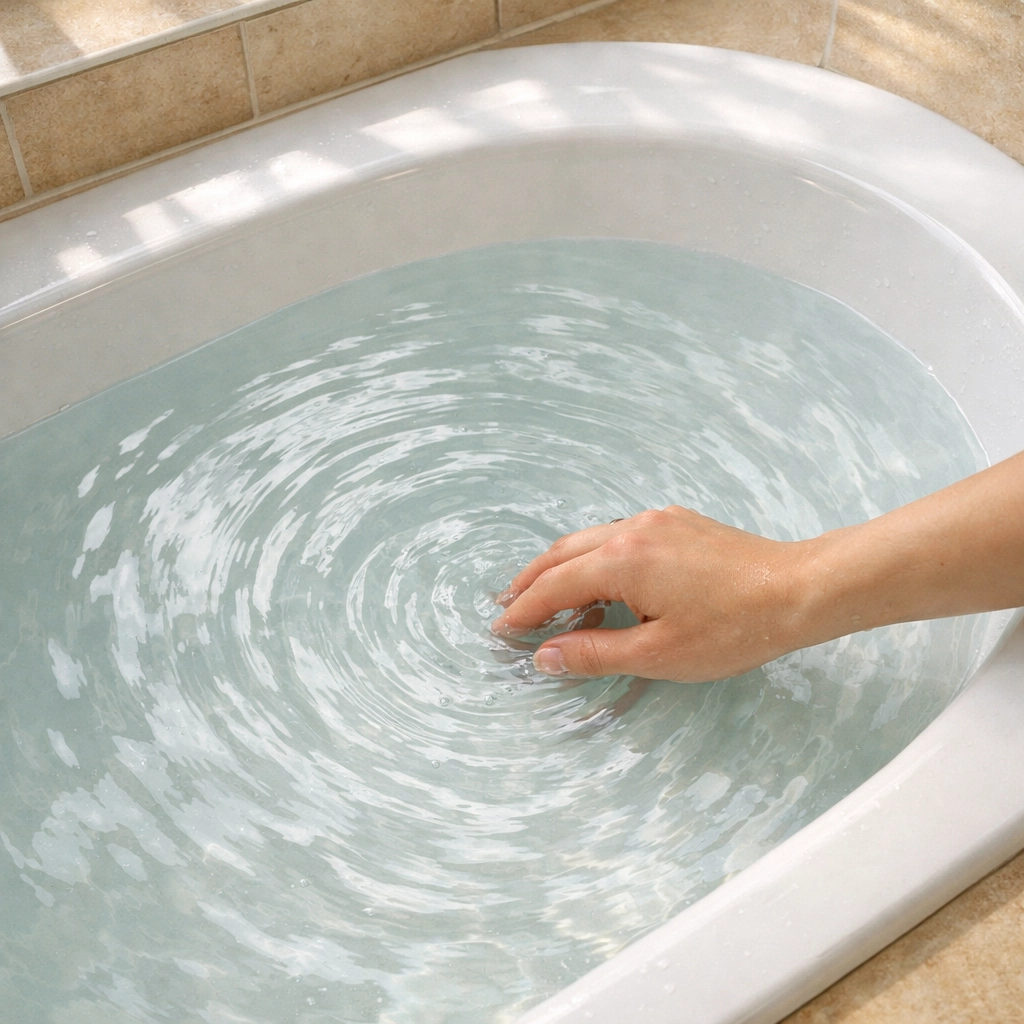
You've filled the tub, tested the edge with your toe, and everything feels fine. But when you settle in, one side feels lukewarm while the other is uncomfortably hot. This isn't just annoying: it's dangerous.
Hot spots form naturally in bath water, especially in larger tubs. Without proper mixing, pockets of scalding water can lurk beneath a seemingly safe surface. Many burn injuries happen this way, particularly when someone shifts position in the tub and suddenly encounters a hot zone.
The fix: Before getting into the tub, swirl the water thoroughly with your hand or a small container. Move the water around from different areas: top to bottom, side to side. This creates an even temperature throughout.
Make this swirling motion part of your routine every single time. Even if the water looks calm and uniform, temperature variations can exist below the surface. A good thirty-second mix ensures no surprises once you're settled in.
Mistake #3: Skipping Non-Slip Protection
Bathroom floors when wet become as slippery as ice. Add in soap residue, shampoo runoff, and steam, and you've created a surface where even the steadiest person can lose their footing.
Many people assume their bathroom tiles provide enough traction, or they rely on quickly drying off before stepping out. But accidents happen in split seconds: a moment of imbalance, a quick reach for a towel, or a sudden movement is all it takes.
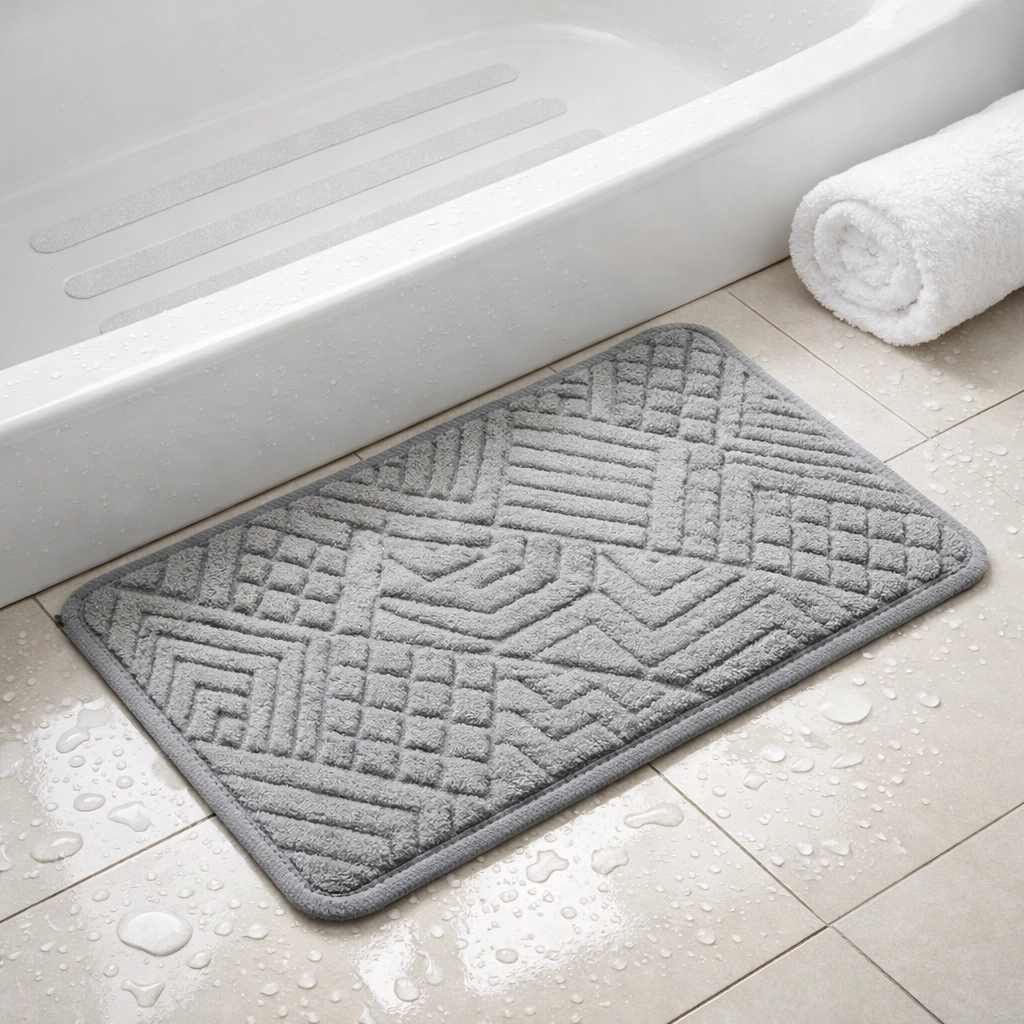
The fix: Layer your non-slip protection. Start with a quality bath mat with a rubber backing both inside and outside the tub or shower. These mats should have suction cups or textured bottoms that grip firmly to the floor.
For the shower or tub floor itself, use adhesive non-slip strips or decals. These create traction where you're standing while water is actively flowing. They're affordable, easy to apply, and surprisingly durable.
After every shower or bath, take a moment to wipe excess water off the floor with a towel. Keep your bathroom well-ventilated by running the exhaust fan or opening a window. This reduces moisture buildup and helps floors dry faster.
Mistake #4: Ignoring a Loose or Wobbly Toilet
A toilet that wobbles might seem like a minor annoyance, but it's actually a significant safety hazard. When you sit down or stand up from an unstable toilet, your balance shifts unexpectedly. This can lead to falls, especially if you're already dealing with mobility challenges or using the toilet for support.
The problem often starts small: a loose flange bolt here, a worn wax ring there: but it compounds over time. What begins as a slight wiggle can develop into a serious stability issue.
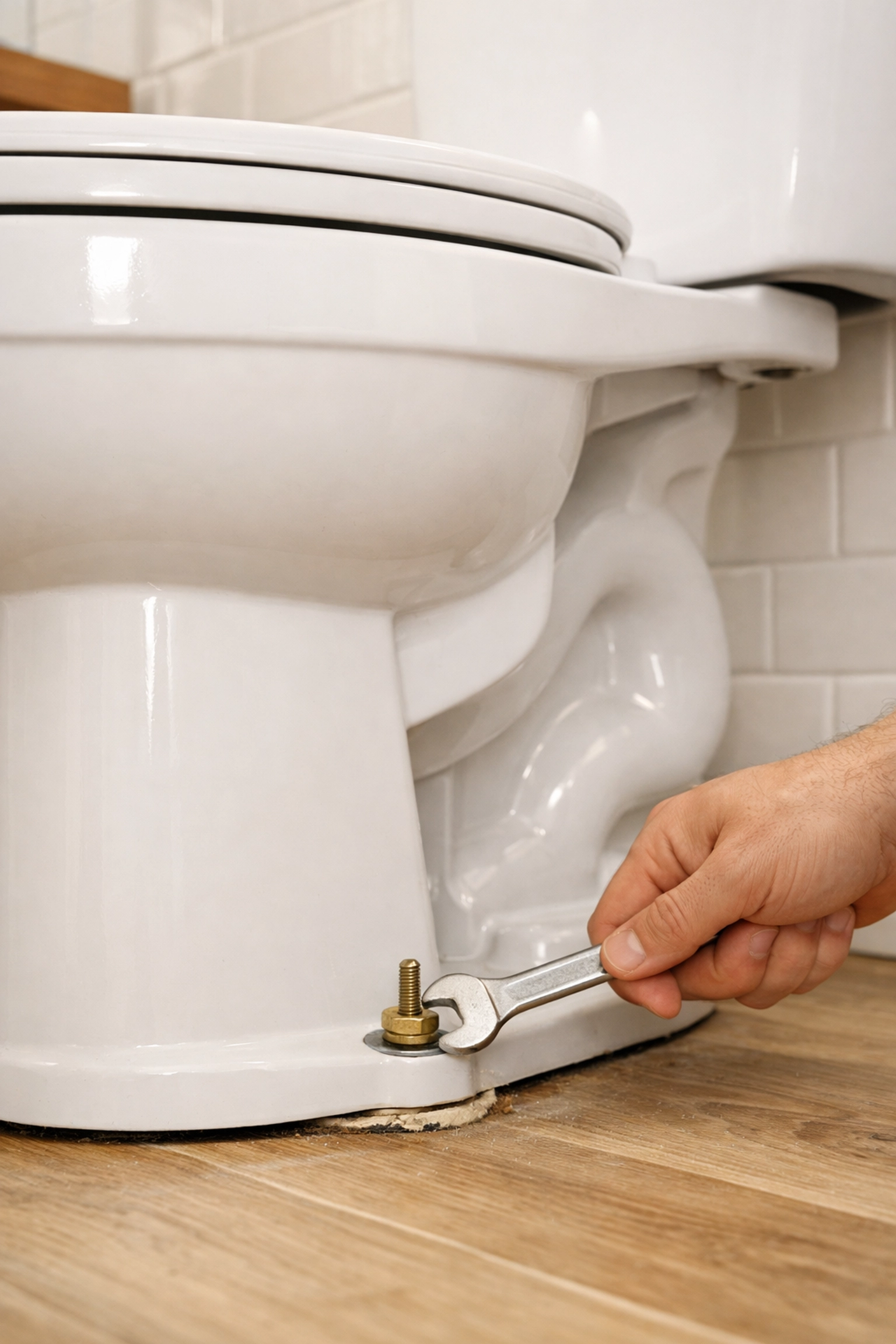
The fix: Check your toilet's stability regularly by sitting down and gently rocking side to side. If you feel any movement, it needs attention.
Tightening the flange bolts at the base of your toilet is usually straightforward. These are the bolts on either side of the toilet base, typically covered by small plastic caps. Remove the caps and carefully tighten the bolts with a wrench. Don't overtighten, as this can crack the porcelain: just make them snug.
If tightening doesn't solve the problem, you may need a new wax ring or professional help to address underlying issues. Don't ignore persistent wobbling.
Consider upgrading to a comfort-height or chair-height toilet if you're replacing your fixture anyway. These sit about two to three inches higher than standard toilets, making it easier to sit and stand without putting extra strain on your knees and hips.
Mistake #5: Skipping Grab Bars
If you think grab bars are only for people who've already had a fall, think again. These simple supports prevent accidents before they happen, providing stability exactly when and where you need it most.
The bathroom presents multiple situations where balance becomes challenging: stepping over the tub edge, standing up from the toilet, reaching for shampoo in the shower, or simply turning around on a wet floor. Without something stable to hold onto, a moment of dizziness or a slippery surface can quickly turn into a fall.
The fix: Install sturdy grab bars in strategic locations throughout your bathroom. The most important spots are inside the shower or tub, next to the toilet, and near the entrance to the tub or shower.
For shower installation, place a vertical bar on the wall near the faucet controls so you can steady yourself while adjusting water temperature. A horizontal bar along the back wall gives you support while standing under the spray.
Next to the toilet, install a horizontal bar on the wall at a comfortable height for pushing yourself up to a standing position. Some people prefer angled bars that provide support both while sitting down and standing up.
Make sure any grab bars you install can support at least 250 pounds and are properly anchored into wall studs or backing material: not just drywall. If you're uncertain about installation, hire a professional. A grab bar that pulls out of the wall when you need it most is worse than no grab bar at all.
Mistake #6: Setting Your Water Heater Too High
Your water heater might be a ticking time bomb you didn't know existed. Many water heaters come factory-set at 140°F or higher: hot enough to cause third-degree burns in just five seconds of exposure. For children and older adults with thinner skin, burns can happen even faster.
The danger multiplies in single-handle faucets or shower valves that can accidentally get turned to full hot. One wrong move, and scalding water flows without warning.
The fix: Adjust your water heater temperature to 120°F or below. This temperature is hot enough for comfortable showers and effective dishwashing but low enough to prevent scalding injuries.
Most water heaters have an accessible temperature dial. Check your owner's manual for specific instructions, but generally, you'll find the control near the bottom of the tank. Turn off the power or gas supply first, adjust the dial, and wait a few hours before testing the temperature at your tap.
For extra protection, especially if you have older plumbing or a household with vulnerable individuals, consider installing an anti-scald valve or pressure-balancing control in your shower. These devices automatically adjust the mix of hot and cold water to maintain a consistent, safe temperature even if water pressure changes elsewhere in the house.
Test your water temperature periodically, as settings can drift over time or after maintenance work.
Mistake #7: Inadequate Bathroom Lighting
You wake up in the middle of the night needing the bathroom. You shuffle down the hall half-asleep, flip on the bathroom light, and squint against the sudden brightness. Or maybe you don't turn on the light at all, trying to navigate in the dark to avoid fully waking up.
Both scenarios are risky. Poor lighting makes it difficult to see obstacles, water on the floor, or the edges of fixtures. Shadows hide hazards. And in those groggy nighttime moments, your balance and reaction time aren't at their best.
The fix: Create layered lighting that works for different times of day and situations. Start with good overhead lighting: bright enough to illuminate the entire room without harsh glare.
Add task lighting near the mirror, shower, and tub. These focused lights help you see what you're doing without relying solely on overhead fixtures.
For nighttime safety, install motion-sensing nightlights along the path to the bathroom and inside the bathroom itself. These provide enough light to see clearly without the jarring effect of full brightness at 2 AM. They turn on automatically as you approach, so you don't need to fumble for switches in the dark.
Consider installing dimmer switches on your main bathroom lights. This lets you adjust brightness based on time of day and need: full brightness for morning routines, softer light for evening.
Make sure light switches are easily accessible from outside the bathroom door, so you can light the space before entering.
Small Changes, Big Impact
Bathroom safety doesn't require a complete renovation or professional installation for everything. Many of these fixes take just minutes and cost very little. Yet they can mean the difference between independence and injury.
Start with one or two changes this week. Add a bath mat. Adjust your water heater. Install a nightlight. Each small improvement builds on the last, creating a safer environment overall.
The bathroom should be a place where you feel secure and comfortable, not anxious about potential hazards. By addressing these seven common mistakes, you're taking control of your safety and protecting your independence for years to come.

