
The bathroom might be one of the smallest rooms in your home, but it's also one of the most hazardous. According to the CDC, over 230,000 bathroom-related injuries occur each year in the United States, with the majority involving falls. Many of these accidents are completely preventable once you know what to look for.
Let's walk through seven common bathroom safety mistakes you might be making right now: and more importantly, how to fix them before they lead to an injury.
Mistake #1: Turning on Hot Water First
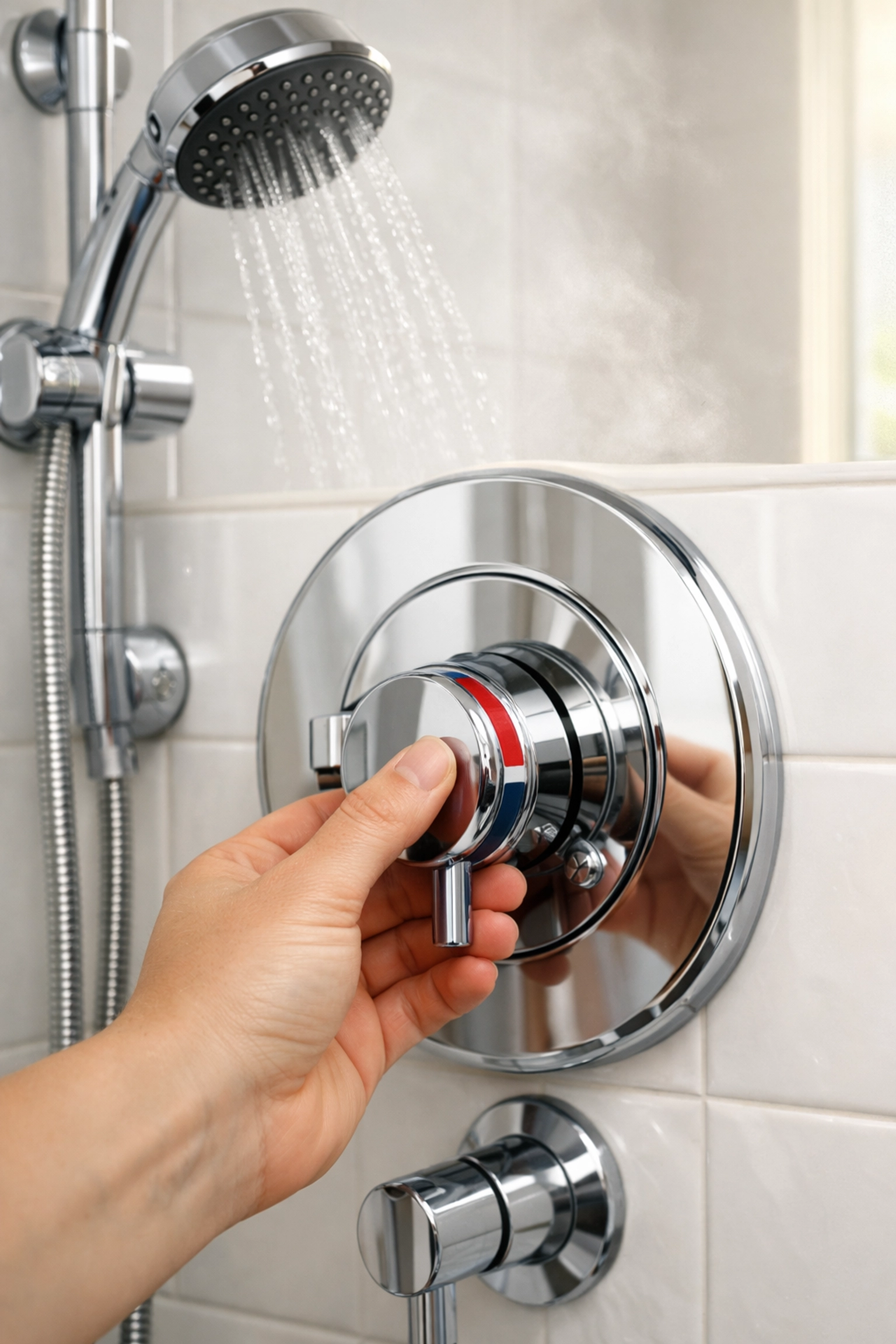
This seems like such a minor detail, but it's one of the most common mistakes people make when running a bath or shower. When you turn on hot water first, you create a rush of scalding water that can cause serious burns if you accidentally step into it or touch it while adjusting the temperature.
As we age, our skin becomes thinner and more sensitive to heat. What might have felt comfortably warm in your thirties could cause a painful burn in your sixties or seventies. Add in slower reflexes or reduced sensation in your hands and feet, and the risk increases even more.
How to fix it:
Always run cold water first, then gradually add hot water until you reach your desired temperature. This simple habit ensures you'll never accidentally encounter dangerously hot water. Before stepping into the shower or bath, test the water with your hand or forearm for at least a few seconds to make sure the temperature is comfortable throughout.
Consider setting your water heater to 120°F (49°C) or lower. Many water heaters come from the factory set at 140°F or higher, which is hot enough to cause a third-degree burn in just five seconds of contact.
Mistake #2: Not Mixing Your Bathwater Before Getting In
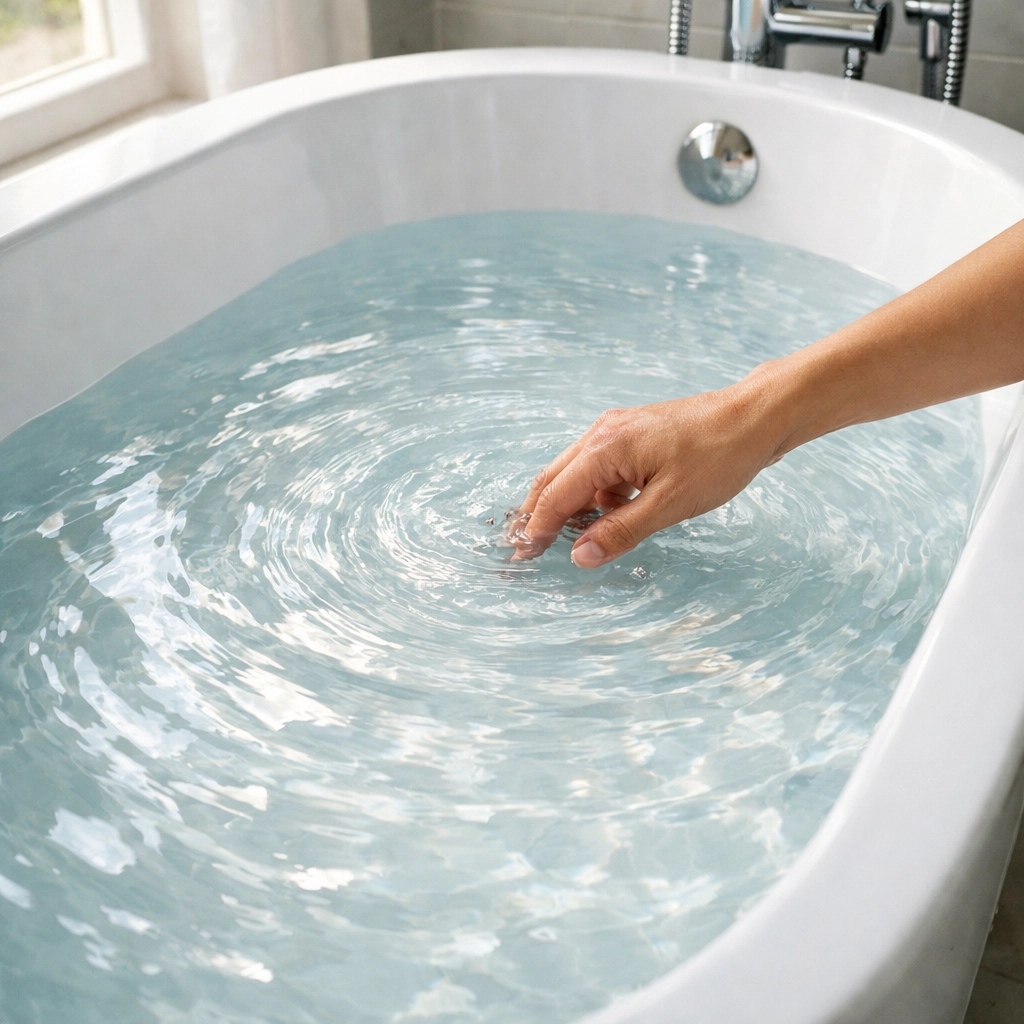
You've run the perfect bath: or so you think. But if you haven't mixed the water thoroughly before climbing in, you might be in for an unpleasant surprise. Hot and cold water naturally separate in a tub, creating pockets of much hotter or colder water than you intended.
The danger here is twofold. You might burn yourself on a hot spot, or you might lose your balance trying to quickly move away from uncomfortable temperatures while standing in a slippery tub.
How to fix it:
Before stepping into your bath, give the water a good swirl with your hand or arm. Move your arm through different areas of the tub: top to bottom, left to right: to ensure an even temperature throughout. This is especially important in larger bathtubs where water has more room to settle into layers.
If you're drawing a bath for someone else, particularly someone with limited mobility or sensation issues, always test the water yourself in multiple spots before helping them in.
Mistake #3: Skipping Non-Slip Surfaces
Wet tile, porcelain, and fiberglass are incredibly slippery: that's just physics. Yet many bathrooms lack any kind of slip-resistant surface in the tub, shower, or on the floor. When you combine slippery surfaces with soap, shampoo, and water, you've created the perfect conditions for a fall.
The statistics are sobering: bathroom falls account for a significant portion of all fall-related injuries, and most of them happen while getting in or out of the tub or shower.
How to fix it:
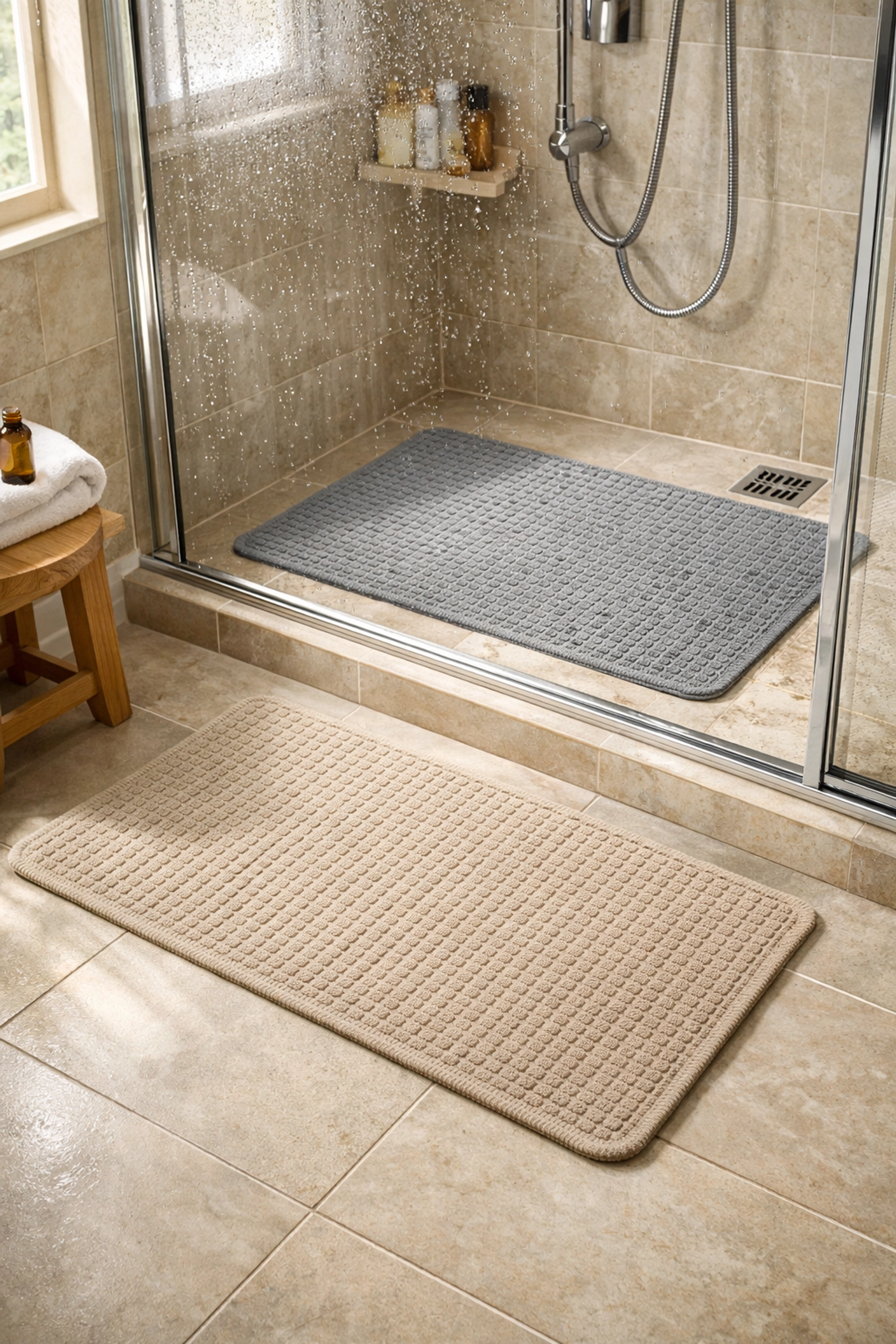
Install non-slip mats or adhesive strips inside your tub and shower. Look for mats with suction cups that grip firmly to the surface, and make sure they cover the entire standing area, not just a small section. Replace them when they start to lose their grip or show signs of wear.
Don't forget about the bathroom floor itself. Place absorbent, non-slip bath mats outside the tub and shower to catch dripping water. After each shower or bath, take a moment to wipe down any water on the floor with a towel: it takes 30 seconds and could prevent a serious injury.
Keep your bathroom well-ventilated with a fan or open window to reduce moisture buildup, which makes floors even more slippery over time.
Mistake #4: Living Without Grab Bars
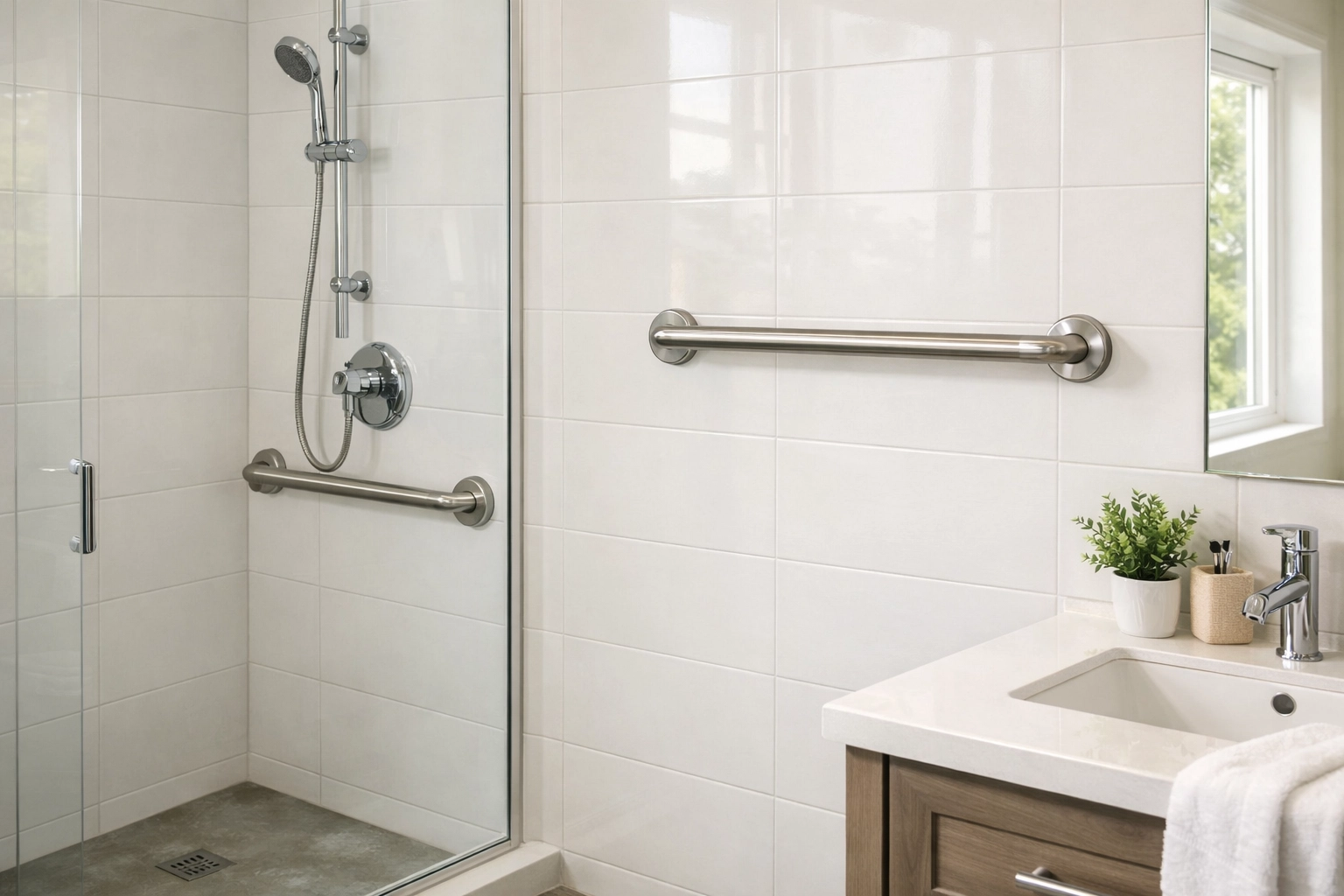
If your bathroom doesn't have grab bars, you're missing one of the most effective safety features available. Many people assume grab bars are only necessary for elderly individuals or those with mobility challenges, but the truth is, everyone benefits from having something stable to hold onto in a wet, slippery environment.
Towel bars and soap dishes might look sturdy, but they're not designed to support your full body weight. Grabbing onto one during a slip can result in both a fall and a torn-out fixture.
How to fix it:
Install proper grab bars in key locations throughout your bathroom:
- Inside the shower or tub, ideally on at least two walls
- Next to the toilet to assist with sitting and standing
- Near the entry point of the tub or shower
- On the wall opposite the toilet if space allows
Make sure grab bars are installed into wall studs or with appropriate anchoring systems: not just screwed into drywall. They should be able to support at least 250 pounds of force. If you rent or can't drill into walls, look for tension-mounted poles that extend from floor to ceiling, providing a secure grab point without permanent installation.
Place them at heights that work for everyone who uses the bathroom, typically 33 to 36 inches from the floor, but adjust based on your specific needs.
Mistake #5: Ignoring a Wobbly Toilet
A loose or wobbling toilet might seem like a minor annoyance, but it's actually a significant safety hazard. When you sit down or stand up from an unstable toilet, you're putting yourself at risk of losing your balance, especially if you're already dealing with reduced stability or strength.
Many people ignore this problem for months or even years, assuming it's just how their toilet is. But a toilet should be firmly anchored to the floor with no movement at all.
How to fix it:
Check the bolts at the base of your toilet: these are usually covered by small plastic caps. If they're loose, tightening them with a wrench may solve the problem. However, don't overtighten, as this can crack the porcelain.
If tightening the bolts doesn't fix the wobble, you may have a more serious issue like a deteriorating wax ring or an uneven floor. In these cases, it's worth calling a plumber to assess and repair the problem properly.
While you're thinking about toilet safety, consider whether the height is appropriate. Standard toilets can be difficult to use if you have knee or hip problems. Comfort-height or chair-height toilets sit 2-4 inches higher than standard models, making sitting and standing significantly easier.
Mistake #6: Setting Water Temperature Too High
We already touched on the dangers of hot water when filling a tub, but the issue goes deeper than just running hot water first. If your water heater is set too high, you're creating a burn risk every single time you turn on a tap.
Older adults face particular risk because aging skin becomes thinner and more delicate. Water that might cause mild discomfort for a younger person can cause serious burns in seconds for someone with thinner skin. Additionally, slower reflexes mean it takes longer to react and move away from dangerously hot water.
How to fix it:
Locate your water heater and adjust the thermostat to 120°F. This temperature is hot enough for comfortable showers and effective cleaning but cool enough to significantly reduce burn risk. Many water heaters have a dial with settings like "low," "medium," and "high" rather than specific temperatures: set it to low or medium-low.
After adjusting, wait 24 hours and test the water temperature at various faucets throughout your home to ensure the change has taken effect.
Consider installing anti-scald devices on showerheads and faucets. These devices automatically limit water temperature or shut off flow when it exceeds a safe temperature. Pressure-balancing valves are another option: they maintain consistent water temperature even when other water is being used elsewhere in the house, preventing sudden temperature spikes.
Mistake #7: Dealing with High Step-In Heights
Traditional bathtubs require you to lift your leg quite high to get in and out: often 15 inches or more off the ground. This creates a serious fall risk, particularly when you're wet and potentially off-balance. The transition in and out of the tub is the moment when many bathroom falls occur.
Even if you can manage the high step now, think about your future needs. Many people avoid addressing this issue until after they've already had a fall or developed mobility limitations.
How to fix it:
If replacing your tub isn't immediately feasible, start with smaller modifications:
- Install a sturdy grab bar at the entry point to provide support while stepping
- Use a transfer bench that sits partially inside and outside the tub, allowing you to sit and swing your legs over rather than stepping
- Consider a non-slip step stool for added stability, but make sure it's specifically designed for wet environments
For long-term solutions, consider replacing your traditional tub with a curbless or low-threshold shower. These modern designs eliminate or significantly reduce the step-in height, making bathroom access much safer and easier. Walk-in tubs with doors are another option, though they require you to step into the tub before filling it.
Bonus Consideration: Lighting Matters More Than You Think
While not one of the seven main mistakes, poor bathroom lighting deserves mention because it compounds every other risk factor. A bathroom with inadequate lighting makes it harder to see wet spots, increases the chances of tripping over bath mats or other items, and makes it difficult to accurately gauge distances and surfaces.
Install bright, even lighting throughout your bathroom. Consider adding a nightlight or motion-activated lighting for middle-of-the-night bathroom visits when you're more likely to be groggy and unsteady. Make sure light switches are easily accessible from both inside and outside the bathroom.
Taking Action on Bathroom Safety
The good news about bathroom safety is that most hazards are straightforward to address. You don't need expensive renovations or professional help for many of these fixes: just awareness and a commitment to making changes before an accident happens.
Start by walking through your bathroom with a critical eye. Which of these seven mistakes apply to your situation? Prioritize the changes that address your specific risk factors, whether that's installing grab bars, adjusting water temperature, or adding non-slip surfaces.
Remember, bathroom safety isn't about turning your space into a sterile medical environment. It's about making practical adjustments that allow you to maintain independence, dignity, and confidence in one of the most essential rooms in your home. A few simple changes today can prevent life-changing injuries tomorrow.

