
Balance isn't something most of us think about until it becomes a problem. For seniors, maintaining good balance at home is one of the most important factors in preventing falls and staying independent. The good news? Many balance issues stem from simple, fixable mistakes that happen quietly over time.
Understanding these common missteps and knowing how to correct them can make a real difference in your daily confidence and safety. Let's walk through seven balance mistakes seniors frequently make at home: and the practical solutions that can help.
Mistake #1: Neglecting Ankle and Foot Strength
Your ankles and feet are the foundation of your balance system. When they're weak, everything above them struggles to stay stable. Many seniors don't realize that ankle strength naturally declines with age, especially if you spend most of your time sitting or wearing supportive shoes that do all the work for your feet.
Weak ankles mean your body can't make the quick adjustments needed when you step on an uneven surface or shift your weight unexpectedly. This creates a shaky foundation that makes falls more likely.
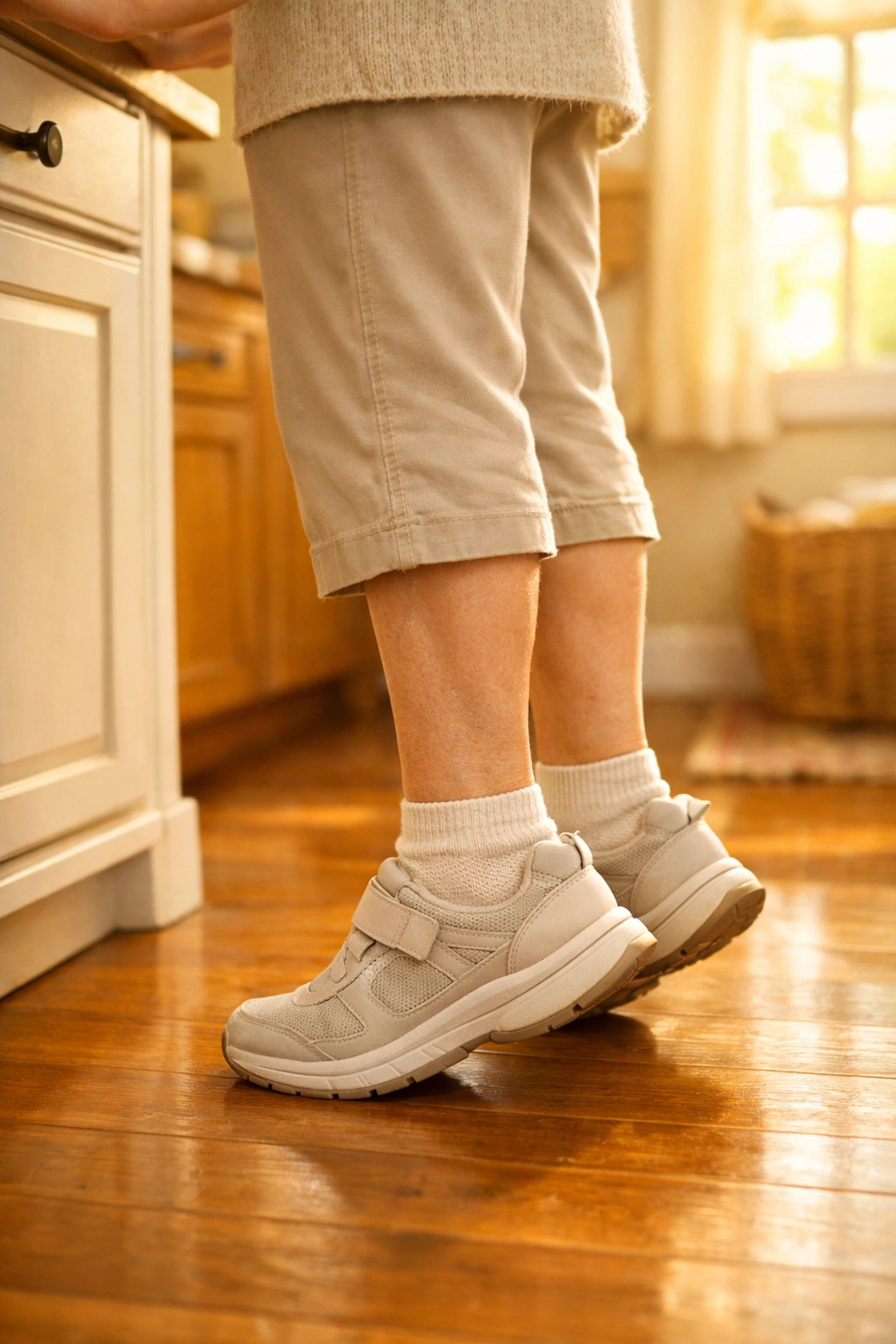
How to fix it:
Start with simple ankle strengthening exercises you can do while sitting. Try pointing and flexing your feet, drawing circles with your toes, or spelling out the alphabet with your foot in the air. These movements may seem small, but they rebuild the strength and flexibility your ankles need.
You can also practice standing calf raises while holding onto a counter. Rise up onto your toes, hold for a few seconds, then lower back down. Start with 5-10 repetitions and gradually increase as you get stronger.
The key is consistency. Even five minutes of ankle exercises daily can create noticeable improvements in your stability within a few weeks.
Mistake #2: Skipping Balance Training Entirely
Many seniors assume that balance training requires special equipment or gym memberships. The truth is much simpler: balance training can happen right in your living room with no equipment at all.
When you avoid balance-specific exercises, your body loses its ability to recover from wobbles and unexpected movements. Your reflexes slow down, and your confidence decreases, which often leads to moving less and becoming even more unsteady.
How to fix it:
Incorporate simple balance exercises into your daily routine. Try these beginner-friendly options:
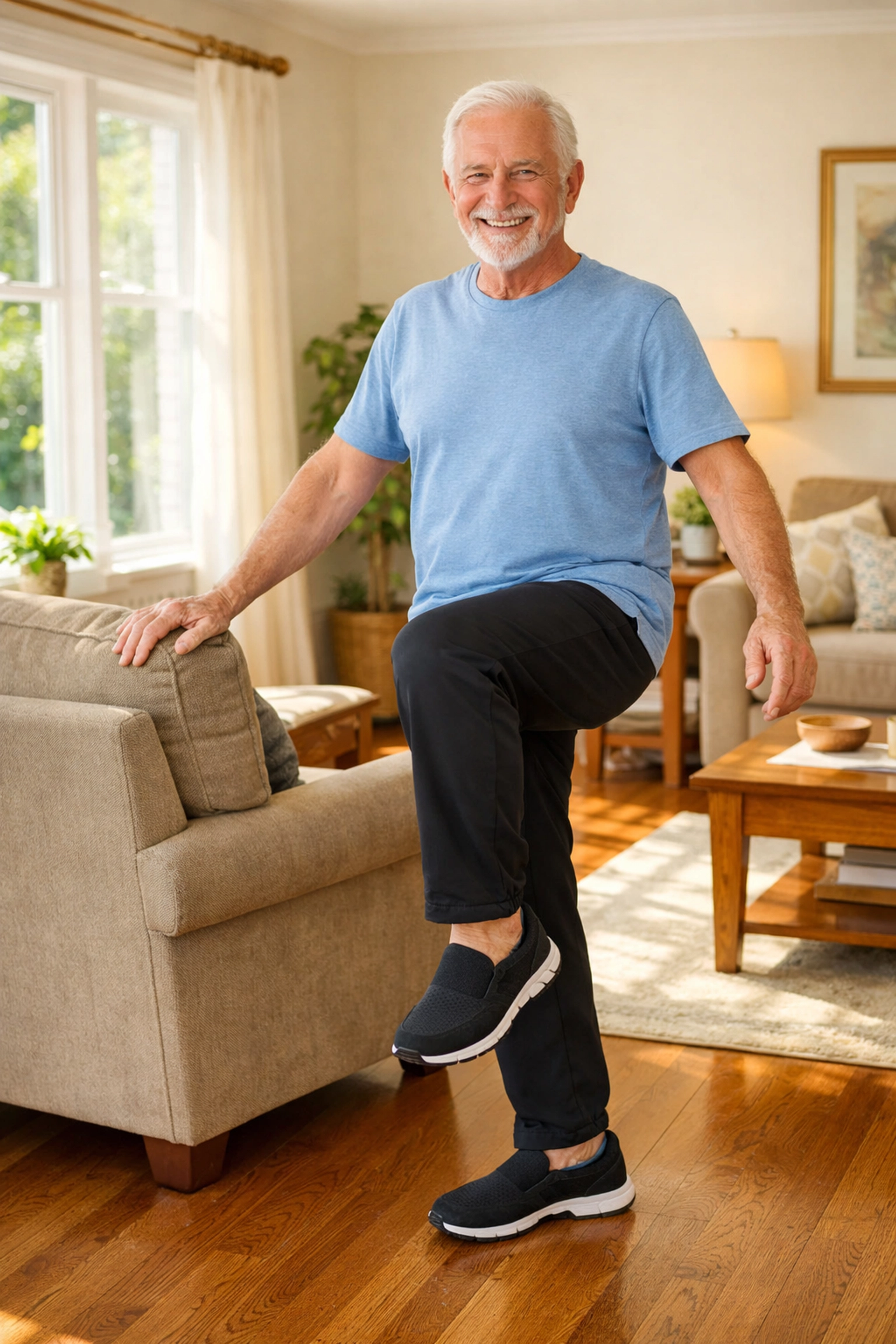
- Stand on one foot while brushing your teeth or waiting for the coffee to brew
- Walk heel-to-toe in a straight line down your hallway
- Practice shifting your weight slowly from side to side while holding a counter
- Stand up from a chair without using your hands
Start by holding onto stable support and gradually reduce how much you lean on it as your confidence grows. The goal isn't perfection: it's practice. Your body will naturally adapt and strengthen with regular exposure to these challenges.
Even three to five minutes of balance work daily can significantly improve your stability over time.
Mistake #3: Wearing Improper Footwear at Home
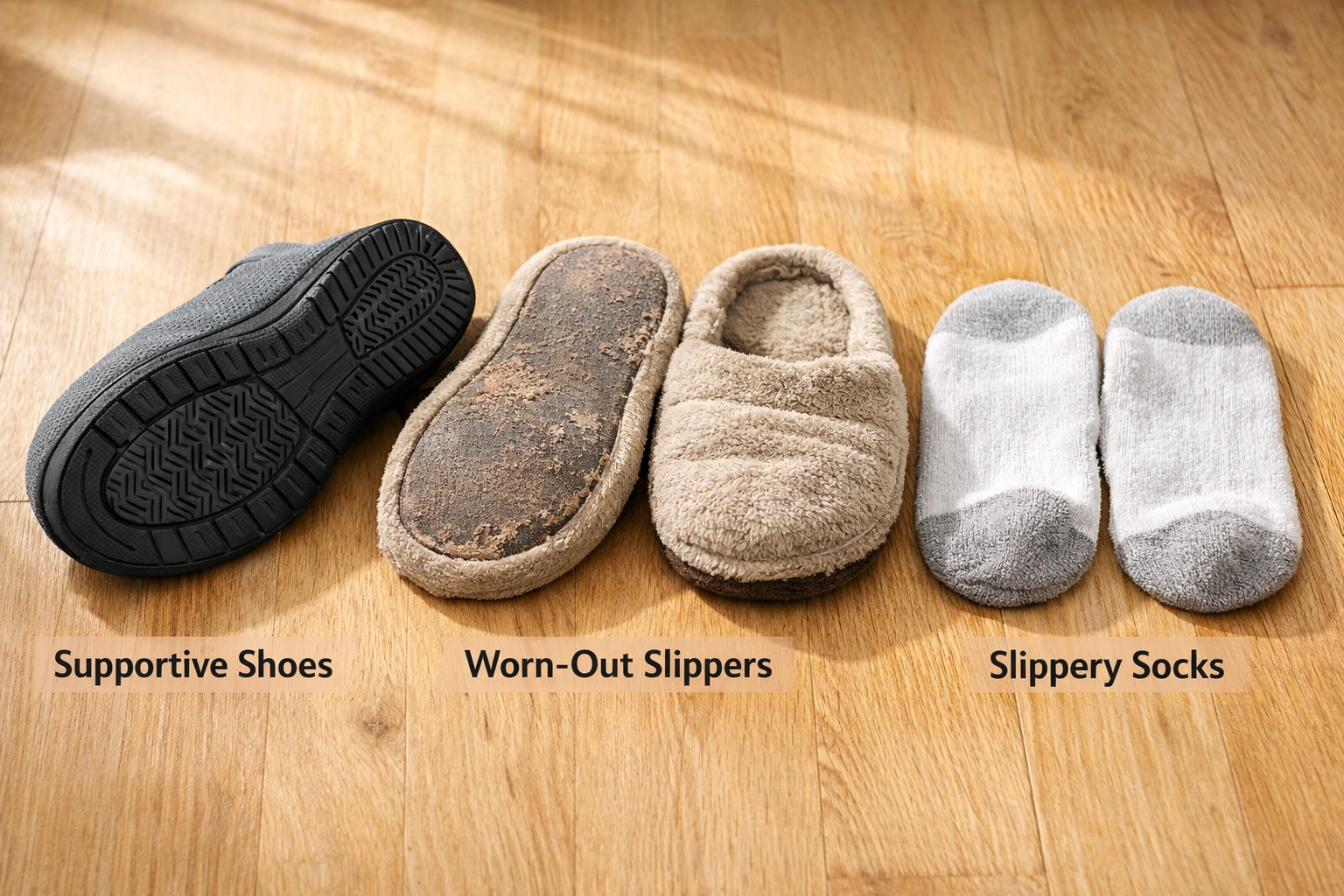
Walking around in socks, floppy slippers, or barefoot on slick floors might feel comfortable, but it's one of the most common balance mistakes seniors make. Your footwear directly affects your stability, and what you wear at home matters just as much as what you wear outside.
Socks slide on hard floors. Slippers often lack proper heel support or have worn-out soles. Going barefoot reduces the feedback your feet can give your brain about the surface beneath you.
How to fix it:
Choose indoor footwear that provides real support:
- Look for shoes or slippers with non-slip rubber soles
- Make sure they fit snugly around your heel without slipping
- Avoid backless styles that make you shuffle or grip with your toes
- Replace worn footwear before the soles become smooth
If you prefer being barefoot, consider grip socks with rubber dots on the bottom. They give you some of the barefoot sensation while providing traction on smooth floors.
Think of your indoor shoes as safety equipment, not just comfort items. The right footwear gives your body a stable platform to work from.
Mistake #4: Over-Relying on Furniture and Walls
It's natural to reach out and steady yourself on furniture or walls when you feel unsteady. The problem comes when this becomes your default way of moving around the house. Constant reliance on external support actually weakens your body's natural balance systems.
When you always lean on something, your muscles don't have to work to keep you upright. Your reflexes don't get practiced. Over time, this makes you even more dependent on support and less stable when support isn't available.
How to fix it:
The goal isn't to abandon all support: it's to reduce unnecessary dependence. Start by noticing when you reach for support out of habit rather than need.
Try these strategies:
- Walk short distances without touching walls, even if you move more slowly
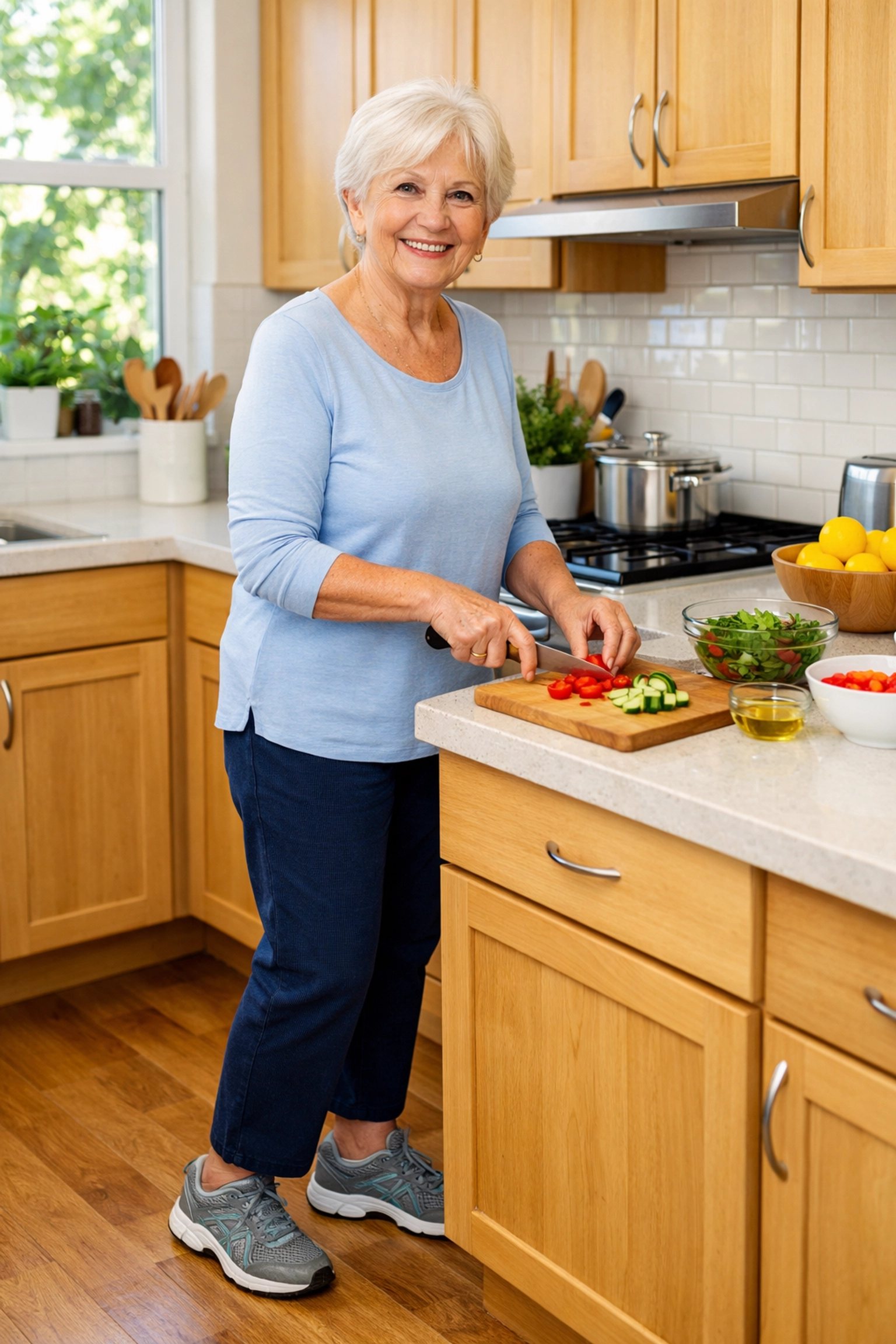
- Practice standing without leaning during everyday activities like cooking or folding laundry
- Gradually increase the amount of time you stand or walk independently
- Use support mindfully for genuine stability needs, not automatic habit
Think of support devices and furniture holds as backup safety, not primary transportation. Your body is capable of more independent movement than you might think: it just needs the opportunity to practice.
Mistake #5: Ignoring Vision and Hearing Health
Balance isn't just about your muscles and joints. Your eyes and ears play crucial roles in helping your brain understand where your body is in space and how to stay upright.
Many seniors don't realize that uncorrected vision problems or hearing loss can directly impact balance. Your eyes provide visual cues about your environment, while your inner ear contains the vestibular system that senses motion and spatial orientation.
When either system isn't working properly, your brain receives incomplete or inaccurate information, making balance much harder to maintain.
How to fix it:
Make regular vision and hearing checkups a priority:
- Get your eyes examined at least once a year
- Update glasses prescriptions promptly when your vision changes
- Ensure adequate lighting throughout your home so you can see clearly
- Have your hearing tested if you notice any changes
- Consider hearing aids if recommended: they do more than help you hear conversations
If you wear bifocals or progressive lenses, be especially careful on stairs and uneven surfaces. The bottom portion of these lenses can distort depth perception, so you may need to tilt your head to use the correct part of the lens.
Taking care of your sensory health is taking care of your balance.
Mistake #6: Not Drinking Enough Water
Dehydration is a surprisingly common but often overlooked cause of balance problems in seniors. As we age, our sense of thirst diminishes, making it easy to become mildly dehydrated without realizing it.
Even mild dehydration affects your blood pressure, circulation, and overall physical performance. This can lead to dizziness, lightheadedness, and decreased coordination: all of which directly impact your balance.
How to fix it:
Make hydration a deliberate daily habit:
- Keep a water bottle or glass visible in the rooms where you spend the most time
- Set reminders on your phone if you tend to forget
- Aim for 6-8 glasses of water daily, unless your doctor has given different guidance
- Eat water-rich foods like fruits and vegetables
- Limit caffeine and alcohol, which can be dehydrating
Don't wait until you feel thirsty. By the time you notice thirst, you're already somewhat dehydrated. Regular sips throughout the day work better than trying to drink large amounts at once.
Your balance system functions best when your body is properly hydrated.
Mistake #7: Living in a Fall-Prone Environment
Your home environment can either support your balance or work against it. Many seniors live with hidden hazards they've grown so accustomed to that they don't notice them anymore. Small obstacles, poor lighting, and unstable surfaces create unnecessary risks every day.
The most dangerous part? You might navigate these hazards successfully hundreds of times before one moment of distraction or fatigue leads to a fall.
How to fix it:
Walk through your home with fresh eyes and look for these common hazards:
Flooring and pathways:
- Remove throw rugs or use non-slip backing
- Tape down or cover electrical cords
- Clear clutter from walkways
- Keep floors clean and dry, especially in kitchens and bathrooms
Lighting:
- Add night lights in hallways, bathrooms, and bedrooms
- Install brighter bulbs in dim areas
- Keep flashlights in accessible locations
- Place light switches at room entrances
Storage and organization:
- Store frequently used items between waist and eye level
- Avoid using step stools when possible
- Keep a sturdy stool with a handle for items you must reach
- Organize cabinets so you don't need to stretch or bend awkwardly
Stairs and bathrooms:
- Install grab bars in showers, tubs, and next to toilets
- Ensure stairs have sturdy railings on both sides
- Mark the edge of steps with contrasting tape if they're hard to see
- Use non-slip mats in the shower and bathtub
Don't try to fix everything at once. Start with the areas you use most frequently and the hazards that pose the biggest risks. Small improvements add up to create a much safer home environment.
Moving Forward with Better Balance
Balance doesn't have to decline dramatically as you age. Many of the problems that affect stability are the result of modifiable habits and environmental factors rather than inevitable aging processes.
By addressing these seven common mistakes, you're taking active control of your safety and independence. Start with one or two changes that feel most relevant to your situation. As those become habits, add more improvements gradually.
Remember that building better balance is a process, not a destination. Small, consistent efforts create lasting results. The work you put in today translates directly to more confidence, independence, and peace of mind tomorrow.

