
As our loved ones get older, "staying at home" becomes a major goal. Most seniors want to keep their independence, and families want to support that. However, the home environment can change from a place of comfort to a place of risk if we aren't paying attention. According to the CDC, one in four adults over age 65 falls each year, and many of these incidents happen right in the living room or bathroom.
Performing a home mobility assessment isn’t about being a drill sergeant or making your parents feel like they are losing control. It’s about being a detective. It’s a way to spot the small things: a loose rug, a dim bulb, or a tricky step: before they lead to a life-changing event.
This guide breaks down the process into five manageable steps that any family can follow. You don’t need a medical degree to do this, just a keen eye and a bit of patience.
Why a Home Assessment is the First Line of Defense
Falls are rarely caused by just one thing. Usually, it’s a combination of physical health, medication side effects, and environmental hazards. By conducting an assessment, you are looking at how these three factors interact. For example, a person might have slight balance issues (physical), take a medication that causes mild dizziness (health), and have a high-threshold doorway (environment). On their own, these might be okay. Together, they are a recipe for a fall.
The goal of this assessment is to identify these intersections and fix what we can.
Step 1: Preparation and Information Gathering
Before you start walking through the house, you need to understand the "baseline." This step is about gathering the facts so you know what to look for when you actually start the physical tour.
Reviewing Medical History and Medications
Start by having a casual conversation about health. Are there new medications? Many drugs for blood pressure, sleep, or anxiety can cause orthostatic hypotension: a sudden drop in blood pressure when standing up: which leads to dizziness.
Ask about:
- Recent "Near-Falls": These are often kept secret because of the fear of losing independence. Ask if they’ve had any stumbles or had to "furniture surf" (grab onto tables or walls) to get across a room.
- Vision and Hearing: When was their last eye exam? Poor depth perception is a massive fall risk, especially on stairs.
- Foot Health: Are they experiencing numbness or pain in their feet? This affects proprioception: the body’s ability to sense its position in space.
Gather Your Tools
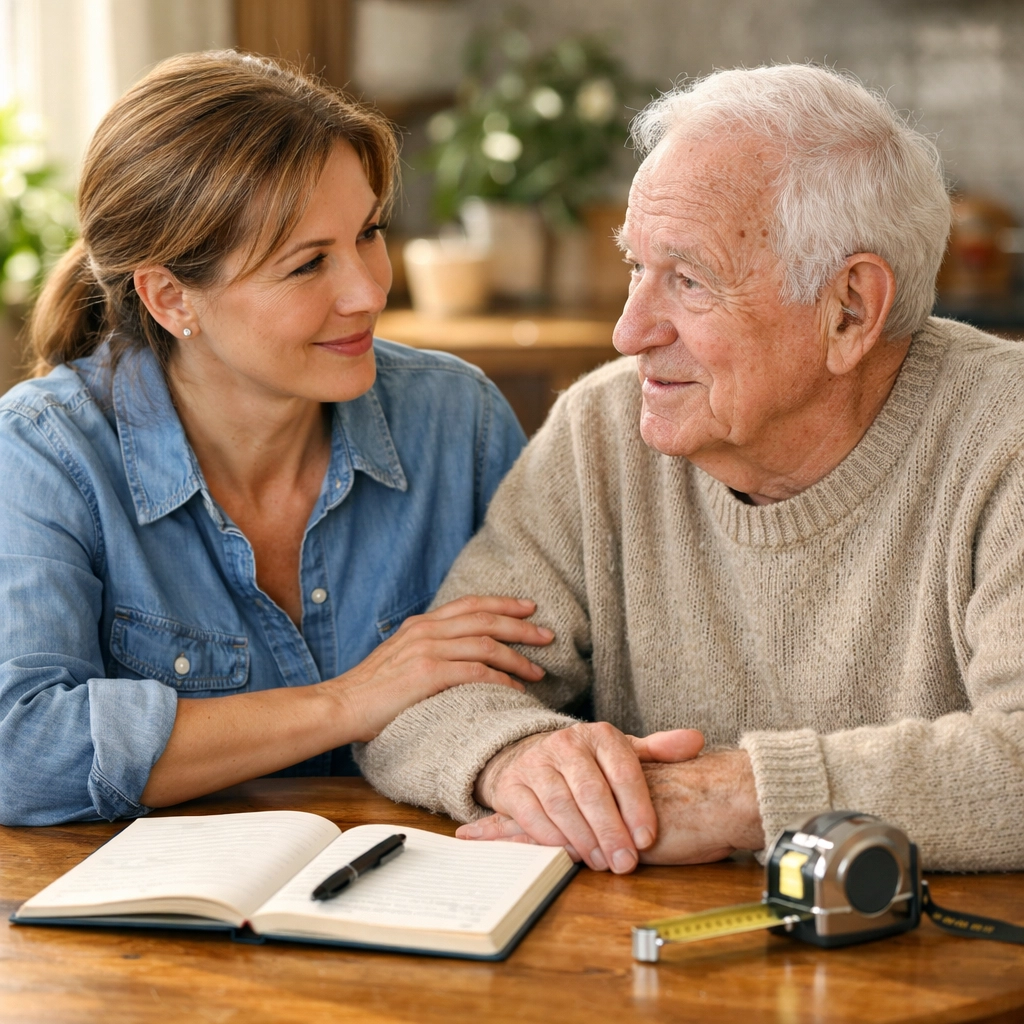
You don’t need much, but a few items will make the process easier:
- A Notepad or Digital Checklist: To keep track of what you find.
- A Tape Measure: To check the height of chairs or the width of hallways.
- The CDC "Check for Safety" Checklist: This is a gold-standard resource that lists common household hazards.
Step 2: The Physical Environment Audit (The Walk-Through)
Now it’s time to put on your detective hat. Walk through the home as if you’ve never been there before. We often become "clutter-blind" to our own homes. We step over the loose floorboard or walk around the bulky coffee table without thinking. For a senior with declining mobility, these are obstacles.
The Entrance and Exterior
Safety starts at the front door.
- Steps and Railings: Are there railings on both sides of the stairs? Are they sturdy, or do they wiggle when you grab them?
- Thresholds: Is the "lip" of the doorway too high? Many people trip on the small raised strip at the bottom of a doorframe.
- Lighting: Is the walkway well-lit for someone coming home after dark?
Living Areas and Hallways
The living room is where people spend the most time, but it’s often filled with "trip mines."
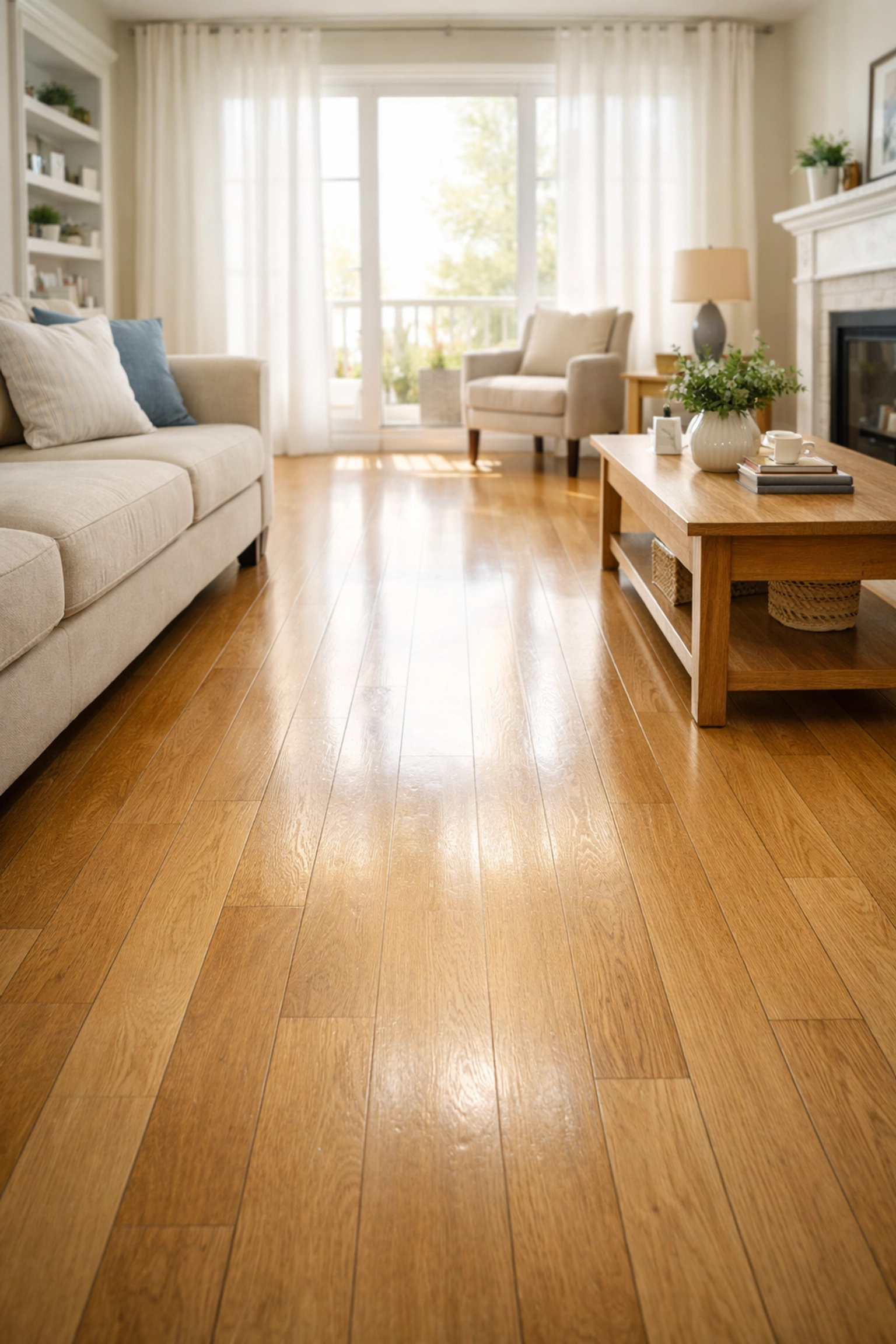
- Throw Rugs: These are the number one enemy of fall prevention. If they aren't taped down or removed entirely, they are a hazard.
- Cords and Wires: Look behind the TV and near lamps. Are there extension cords crossing the walking path?
- Furniture Layout: Is there a clear, wide path for a walker or even just for a steady gait? Does the person have to "squeeze" past the sofa?
The Bathroom: The Highest Risk Area
Most falls that result in injury happen in the bathroom because of wet, slippery surfaces.
- The Toilet: Is it too low? Squatting down and pushing back up requires significant leg strength.
- The Shower/Tub: How high is the side of the tub? Is there a non-slip mat inside?
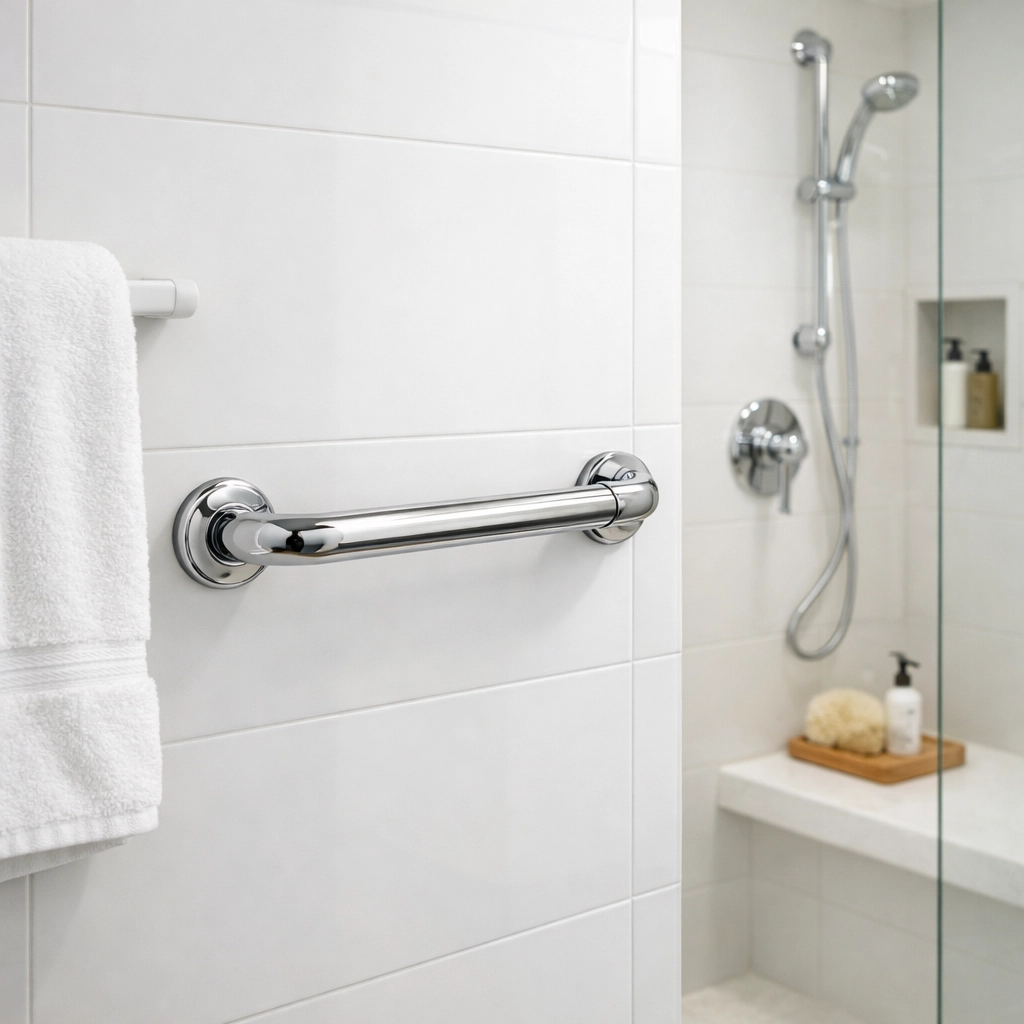
- Grab Bars: Are there secure places to hold onto? Note: Towel racks are not grab bars. They are not designed to hold a person’s weight and will pull out of the wall if leaned upon.
The Bedroom
- Bed Height: Can the person sit on the edge of the bed with their feet flat on the floor? If the bed is too high or too low, getting out of it in the middle of the night becomes a struggle.
- Nighttime Path: Is the path from the bed to the bathroom clear and lit? Motion-sensor nightlights are a simple fix here.
Step 3: Observing Functional Mobility (The "Watch and Learn")
Spotting hazards in the house is only half the battle. The other half is seeing how the person moves within that environment. This is called "functional mobility."
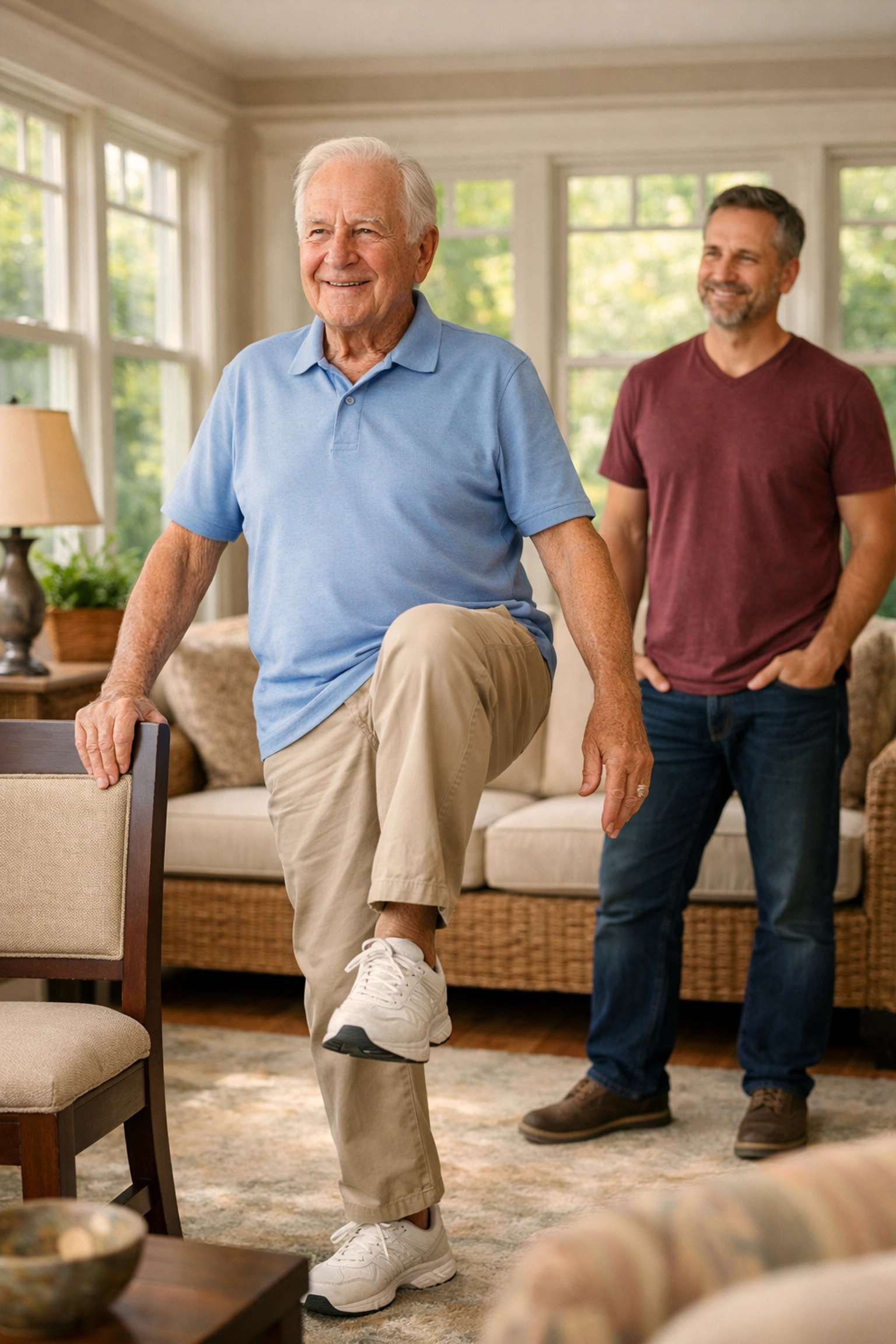
Instead of asking, "Can you walk okay?" ask them to perform a few daily tasks while you observe. Watch for signs of hesitation, loss of balance, or heavy breathing.
The "Get Up and Go" Observation
Watch your loved one as they:
- Stand up from a favorite chair: Do they need to use their arms to push off? Do they rock back and forth several times before gaining enough momentum?
- Walk across the room: Do they lift their feet completely, or do they shuffle? Shuffling is a major risk factor for catching a toe on a rug or threshold.
- Turn around: Do they look steady while turning, or do they stumble?
- The "Reach" Test: Ask them to get something from a kitchen cabinet or a low shelf. Do they overreach or lose balance when their center of gravity shifts?
Navigating Thresholds and Transitions
Watch how they move from a carpeted room to a tiled room. The change in friction can often cause a trip if they aren't prepared for the "grip" of the new surface.
Step 4: Assessing Balance and Cognitive Awareness
Physical strength is important, but balance and "cognitive load" play a huge role in falls. Cognitive load refers to how much brainpower it takes to move. If someone has to think very hard about every step, they might not notice the cat running underfoot or a wet spot on the floor.
The Elderly Mobility Scale (EMS)
You can use a simplified version of the EMS to get a better idea of where your loved one stands. The EMS looks at functional movements like:
- Lying to Sitting: Can they sit up in bed without help?
- Sitting to Standing: Can they stand up in under 3 seconds?
- Standing Balance: Can they stand still without holding onto anything for 30 seconds?
If you notice they struggle with more than one of these, it’s time to consider mobility aids or physical therapy.
Cognitive Check
Is your loved one aware of the risks? Sometimes, a person might have the physical ability to walk but lacks the "safety awareness" to realize they shouldn't be climbing a step-ladder to change a lightbulb. Note if they seem impulsive or if they forget to use their cane or walker.
Step 5: Developing the Safety Plan
Once you’ve done the walk-through and observed their movement, you’ll likely have a list of concerns. The final step is turning those observations into action. This needs to be a collaborative process. If you walk in and start ripping up rugs and installing bars without talking to your loved one, they may resist the changes.
Start with the "Quick Wins"
Focus on the easy, non-intrusive changes first to build trust.
- Swap out dim lightbulbs for bright LEDs.
- Clear clutter from the hallways.
- Add non-slip strips to the stairs.
- Install motion-sensor lights in the bathroom and bedroom.
Discuss Mobility Aids
Based on your Step 3 observations, you might realize they need more support. This could mean:
- Installing professional-grade grab bars in the bathroom.
- Adding a second railing to the stairs.
- Considering a raised toilet seat or a shower chair.
- Using a walker instead of a cane if their balance is significantly impaired.
When to Bring in the Professionals
A family assessment is a great start, but it isn't a replacement for professional medical advice. If you find that your loved one is struggling with basic movements, it is time to call a Physical Therapist (PT) or an Occupational Therapist (OT).
A PT can help improve strength and balance through targeted exercises. An OT can perform a more clinical home assessment and recommend specific equipment that fits the person’s exact needs.
Consistency is Key
A home mobility assessment isn't a one-and-done task. People change, and their environments change. Make it a habit to do a "mini-check" every few months or after any change in health.
By being proactive, you are doing more than just preventing a fall; you are giving your loved one the gift of confidence. When someone feels safe in their home, they are more likely to stay active, social, and independent. It’s about more than just safety: it’s about quality of life.
Summary Checklist for Families
- Check the Floors: Remove rugs, clear cords, and fix loose boards.
- Check the Lights: Ensure all areas: especially stairs: are brightly lit.
- Check the Bathroom: Add non-slip mats and consider grab bars.
- Observe Movement: Watch for shuffling, furniture surfing, or difficulty standing.
- Talk About It: Discuss findings openly and involve the senior in all safety decisions.
Taking these steps today can prevent a crisis tomorrow. It’s the most practical way to show you care.

