
Watching a loved one get a bit more unsteady on their feet can be a worrying experience. You want them to keep their independence and enjoy their home, but you also don't want to spend every night wondering if they’ve had a trip or a stumble. At Fall Guys Products, we believe that the best way to handle this worry is through education and proactive planning.
A mobility assessment sounds like something only a doctor or a physical therapist can do, but the truth is that families can perform a very effective preliminary assessment themselves. By taking a structured look at how a loved one moves and where they live, you can identify risks before they lead to an emergency. This guide will walk you through five clear steps to help you assess mobility and create a safer environment for your family.
Step 1: Evaluate the Home Environment
The home should be a sanctuary, but as mobility changes, a house can quickly become a "hazard course." Most falls happen in the places where we feel the most comfortable. When you start your assessment, you need to look at the house through a new lens: one that focuses on friction, visibility, and accessibility.
Clear the Pathways
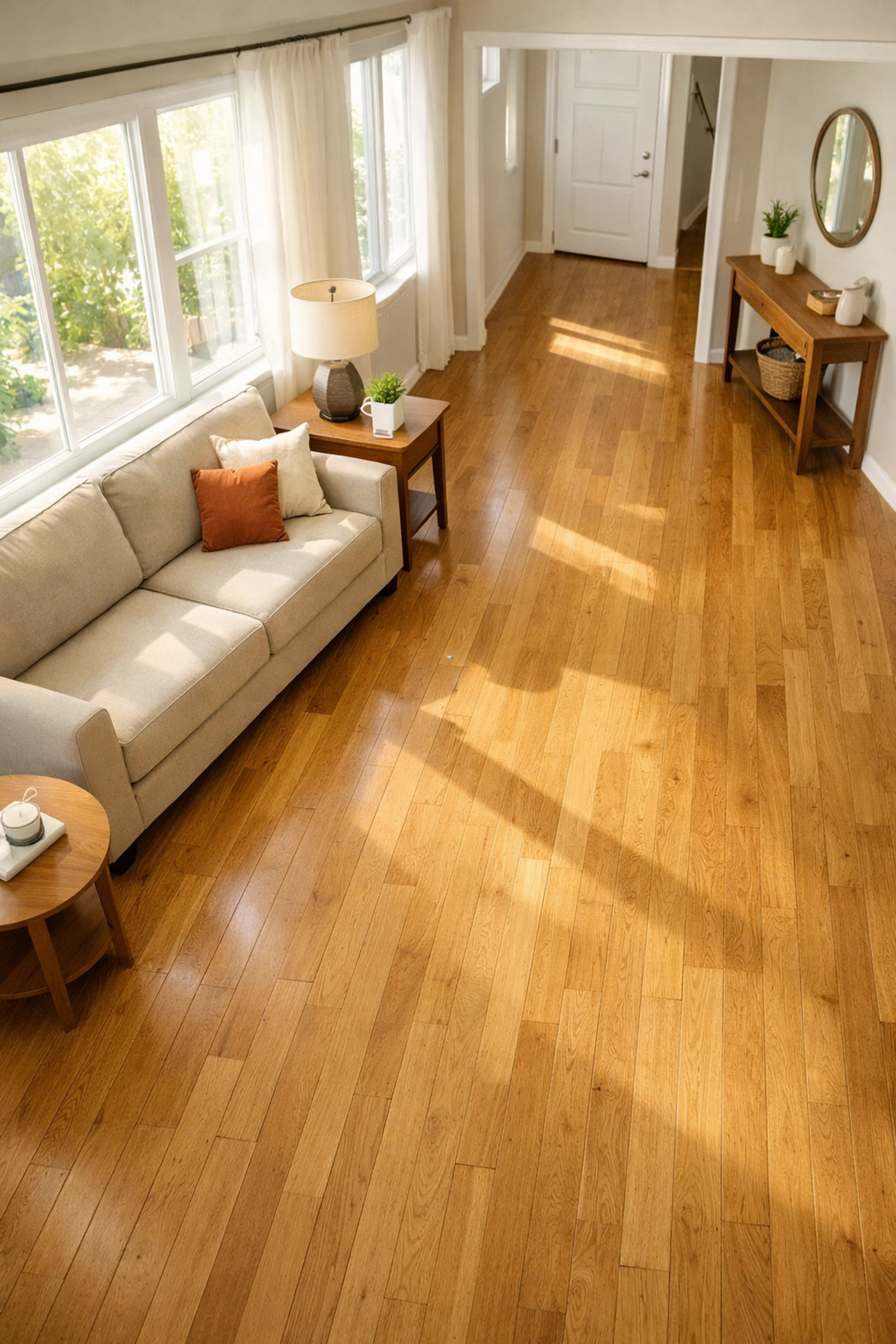
Start with the floors. Walk through every room and look for anything that could catch a toe. Loose area rugs are one of the most common culprits. Even if they look nice, if they aren't taped down or secured with a non-slip backing, they are a risk. Check for "clutter creep": shoes left by the door, stacks of magazines, or electrical cords stretching across a walkway.
Lighting is Everything
As we age, our eyes need significantly more light to see the same details we saw in our youth. Check the wattage in every room. Are the hallways dim? Is there a light switch at both the top and bottom of the stairs? Consider adding motion-sensor nightlights in the bathroom and the path from the bedroom. Being able to see a hazard is the first step in avoiding it.
The Kitchen and Bathroom
In the kitchen, check how often your loved one has to reach high up or bend down low. Reorganizing the cabinets so that the most-used items (like the coffee maker or favorite pans) are at waist height can prevent the need for step stools or awkward overstretching. In the bathroom, look at the height of the toilet and the accessibility of the shower. If they have to climb over a high tub wall, that is a high-risk zone.
Step 2: Schedule a Complete Health Evaluation
Mobility isn’t just about muscles and bones; it’s a complex coordination between the brain, the inner ear, the eyes, and the nervous system. A DIY assessment is great for the home, but you need a professional to look under the hood.
Vision and Hearing
Balance is heavily dependent on sensory input. If a person's vision is blurry or they have lost depth perception, they can easily misjudge the height of a curb or a step. Similarly, the inner ear controls our sense of equilibrium. An annual check-up with an optometrist and an audiologist is a fundamental part of fall prevention. Ensure that if they use bifocals, they are aware of how those lenses can distort the view of the ground while walking downstairs.
Medication Management
Many medications, or combinations of medications, can cause side effects like dizziness, drowsiness, or a sudden drop in blood pressure when standing up (orthostatic hypotension). Sit down with a pharmacist or a primary care doctor to review every pill your loved one is taking. Ask specifically, "Does any of this increase the risk of a fall?"
Cognitive Health
Sometimes a fall isn't caused by a trip; it’s caused by a lapse in judgment or a moment of confusion. Cognitive assessments can help identify if a loved one is remembering to use their walker or if they are attempting tasks that are no longer safe for them to do alone.
Step 3: Assess Physical Abilities and Limitations
This is the "hands-on" part of your assessment. You don't need to be a trainer, but you do need to be a keen observer. The goal here is to see how your loved one handles the basic movements of daily life.
The "Timed Up and Go" (TUG) Test
One of the most reliable ways to measure mobility is the TUG test. You can do this at home. Have your loved one sit in a standard armchair. Ask them to stand up, walk three meters (about ten feet), turn around, walk back to the chair, and sit down.
- Under 12 seconds: Generally indicates good mobility.
- Over 12-15 seconds: May indicate a higher risk of falling.
While they do this, watch their form. Do they struggle to get out of the chair? Do they sway when they turn? Do they look at their feet the whole time?
Observing Gait and Posture
"Gait" is just a fancy word for how someone walks. Watch for "shuffling": when the feet don't fully leave the floor. Shuffling makes it very easy to trip on the edge of a rug or a door threshold. Look at their posture; are they leaning forward or to one side? A change in posture usually means they are trying to compensate for weakness or pain in a specific joint.
Balance and Strength
Ask them to stand on one leg while holding onto a counter for safety. How long can they hold it? Can they rise from a sitting position without using their arms to push off? This "sit-to-stand" movement is a great indicator of leg strength. If their legs are weak, they are more likely to lose their balance when they encounter an uneven surface.
Step 4: Implement Structured Physical Activity
Once you know where the weaknesses are, it’s time to build strength. You’ve likely heard the phrase "use it or lose it," and in the world of mobility, nothing could be truer.
The Power of Balance Training
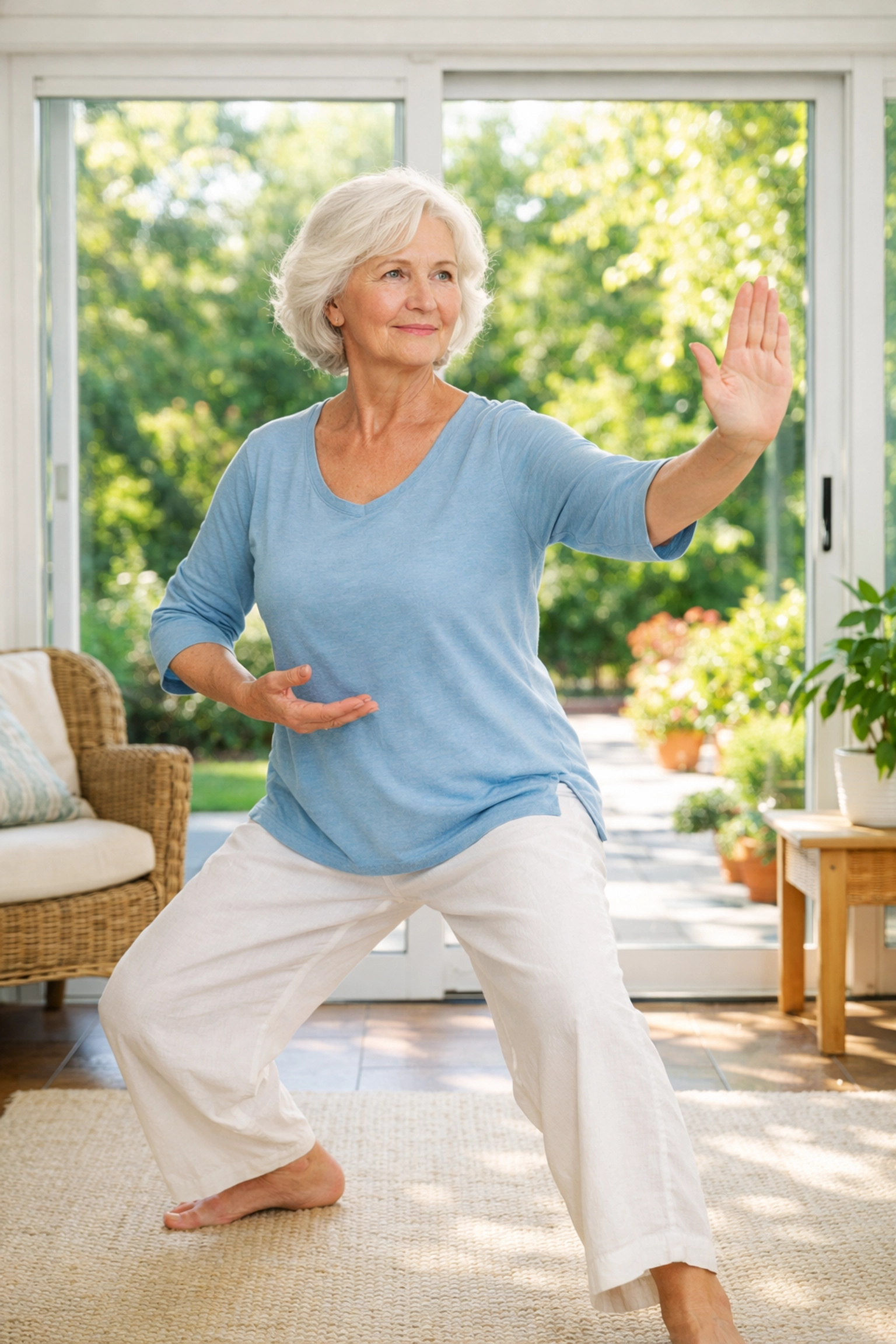
Research suggests that around 50 hours of balance training over six months can significantly reduce fall risk. This doesn't mean 50 hours all at once! It means about two hours a week of focused movement. Activities like Tai Chi are world-renowned for fall prevention because they focus on slow, controlled weight shifts and mindfulness.
Building Lower Body Strength
Strength training isn't just for bodybuilders. Simple exercises like calf raises, leg extensions, and "mini-squats" (holding onto a chair) can fortify the muscles that keep us upright. When the legs are strong, the body can "catch" itself during a trip.
Flexibility and Stretching
Stiff joints lead to a shortened stride. When we can’t take full steps, our balance becomes more precarious. Incorporating gentle stretching or chair yoga into a daily routine helps maintain the range of motion in the hips, knees, and ankles. This makes it easier to navigate stairs and move around obstacles.
Step 5: Make Environmental Modifications and Ensure Proper Equipment
The final step is to bridge the gap between the person’s ability and their environment. This is where we look at tools and structural changes that provide a "safety net."
Footwear: The Foundation
You can have the best balance in the world, but if you're wearing loose slippers or socks on a hardwood floor, you’re going to slide. Ensure your loved one has sturdy, well-fitting shoes with non-slip rubber soles. Avoid "heeled" shoes or shoes with very thick, heavy soles that might cause tripping. Even inside the house, "house shoes" with good support are much safer than going barefoot or wearing socks.
Strategic Safety Features
Consider where the most difficult transitions happen. Is it getting in and out of bed? Getting off the sofa? Using the toilet?
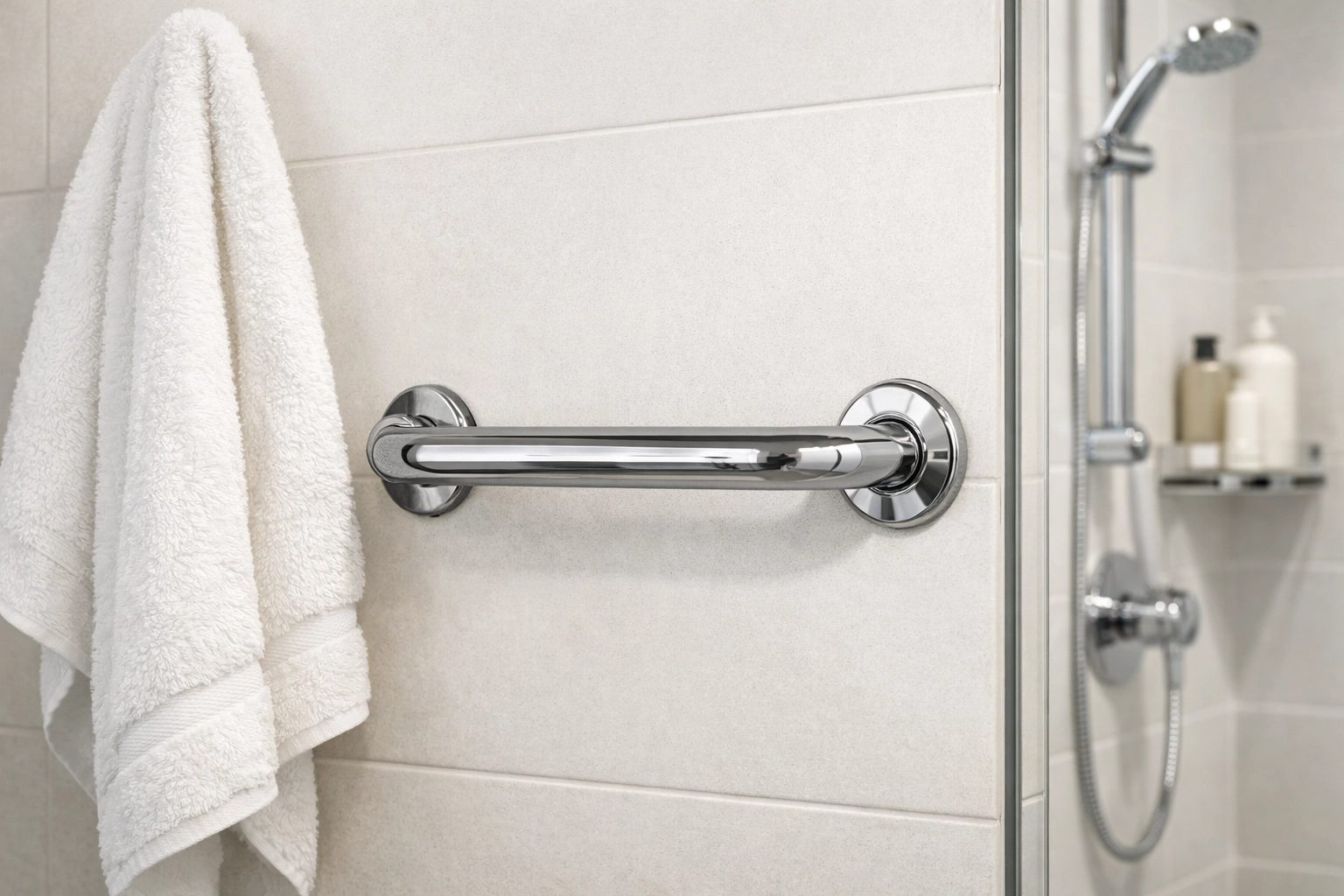
- Grab Bars: These should be installed in the shower and next to the toilet. Make sure they are screwed into studs, not just suction-cupped to the wall.
- Rails: If there is a single step between rooms (like a sunken living room), a small handrail can make a world of difference.
- Furniture Height: Sometimes, a chair is just too low. Adding firm cushions or using furniture risers can make standing up much easier and safer.
Mobility Aids
If the assessment showed that they are unsteady, it might be time for a cane or a walker. It’s vital that these are fitted correctly. A cane that is too high will cause shoulder pain; one that is too low will make them hunch over. A physical therapist can help choose the right device and, more importantly, teach them how to use it correctly. Many people use walkers as "shopping carts" rather than stability aids, which can actually increase their risk of falling.
Maintaining the Plan
A mobility assessment isn't a "one and done" event. Our bodies change, and so do our needs. We recommend doing a "mini-check" every six months or after any health event, like a bout with the flu or a change in medication.
Prevention is a journey, not a destination. By taking these five steps, you aren't just "fixing" a house; you are providing your loved one with the confidence to keep moving. When people feel safe, they are more likely to stay active, and staying active is the single best way to prevent falls in the long run.
Be patient with the process. Sometimes, suggesting a walker or a grab bar can feel like a blow to someone's ego. Frame these changes as "performance enhancers": tools that help them keep doing what they love, rather than signs of slowing down. With a reassuring tone and a practical plan, you can significantly lower the risk of falls and keep your family members safe in the home they love.

