
Gardening is one of life’s most rewarding hobbies. There is something deeply satisfying about digging in the dirt, watching a seedling sprout, and eventually harvesting your own vegetables or enjoying a blooming flower bed. It keeps us active, provides a healthy dose of Vitamin D, and offers a peaceful mental escape.
However, as we get older, the garden can present a unique set of challenges. Uneven soil, tangled hoses, and the constant transition from sitting to standing can increase the risk of a fall. At Fall Guys Products, we believe that your passion for the outdoors shouldn't be sidelined by safety concerns. My goal today is to walk you through fifteen practical, evidence-based ways to keep your garden a safe haven rather than a hazard.
1. Clear the Clutter and Manage Hoses
The most common cause of outdoor falls is surprisingly simple: things lying where they shouldn't be. Garden hoses are perhaps the biggest culprits. They are often the same color as the grass, making them easy to miss if your vision is slightly impaired or if the sun is in your eyes.
To mitigate this, invest in a high-quality hose reel: preferably one that is spring-loaded or easy to wind. Make it a strict habit to retract the hose immediately after use. Beyond hoses, keep your primary walkways clear of stray trowels, watering cans, and bags of mulch. A dedicated "landing zone" or a small outdoor storage bench can help keep your tools organized and off the path.
2. Ensure Pathways are Wide and Level
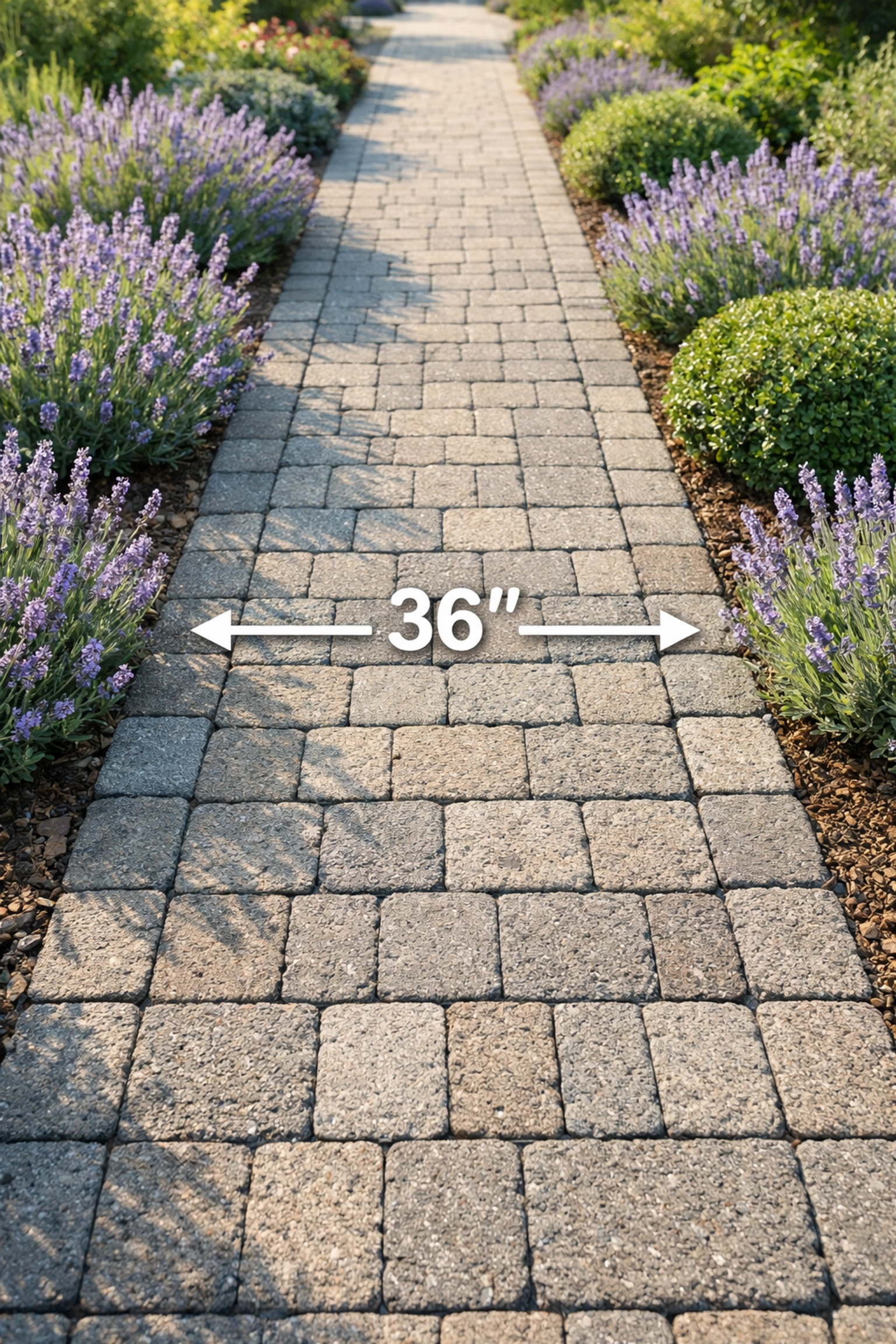
A narrow path is a difficult path, especially if you use a cane or a walker. Ideally, garden pathways should be at least 36 inches wide. This allows for a stable base of support and enough room for mobility aids to pass through comfortably without catching on plants or bordering rocks.
In addition to width, look at the "grade" or level of your paths. Over time, tree roots can push up pavers, and soil can erode, creating "lips" that catch the toe of a shoe. Take a walk through your garden specifically looking for these trip hazards. If you find uneven sections, consider leveling them with crushed gravel that is well-compacted or resetting pavers to create a flush surface.
3. Use Non-Slip Materials for Walkways
When it’s time to choose materials for your garden paths, skip the loose gravel and smooth decorative tiles. Loose gravel shifts underfoot, which can be very disorienting for someone with balance issues. Smooth tiles or polished stone can become incredibly slick when even slightly damp from dew or a light rain.
Instead, look for interlocking pavers with a textured, non-slip finish. Compacted "decomposed granite" or fine-crush stone can also provide a firm, stable surface if it is installed correctly. For wooden decks or porch steps leading to the garden, adding non-slip adhesive strips or textured outdoor paint can provide that extra bit of "grip" your shoes need.
4. Install Support Structures and Handrails
Who says handrails are only for the stairs? If you have a long garden path with a slight incline, or a transition between different levels of your yard, a sturdy handrail is a game-changer. It provides a "third point of contact," which significantly increases stability.
Even in flat areas, you can strategically place support structures. A sturdy fence, a well-anchored trellis, or even a decorative "grab bar" disguised as garden art can give you something to hold onto as you navigate your flower beds. The key is ensuring these structures are firmly anchored into the ground or the house: they must be able to support your full weight if you experience a moment of dizziness.
5. Upgrade Your Outdoor Lighting
Many falls occur during the "golden hours" of dawn and dusk when shadows are long and depth perception is trickier. If you enjoy spending time in your garden during these hours, lighting is essential.
Motion-activated lights are great for entryways, but for the garden itself, consider low-voltage LED path lights. These should be placed close enough together that there are no "dark spots" between them. Solar-powered stakes are a popular choice because they require no wiring, but make sure they are bright enough to actually illuminate the ground, not just provide a decorative glow.
6. Embrace Raised Garden Beds
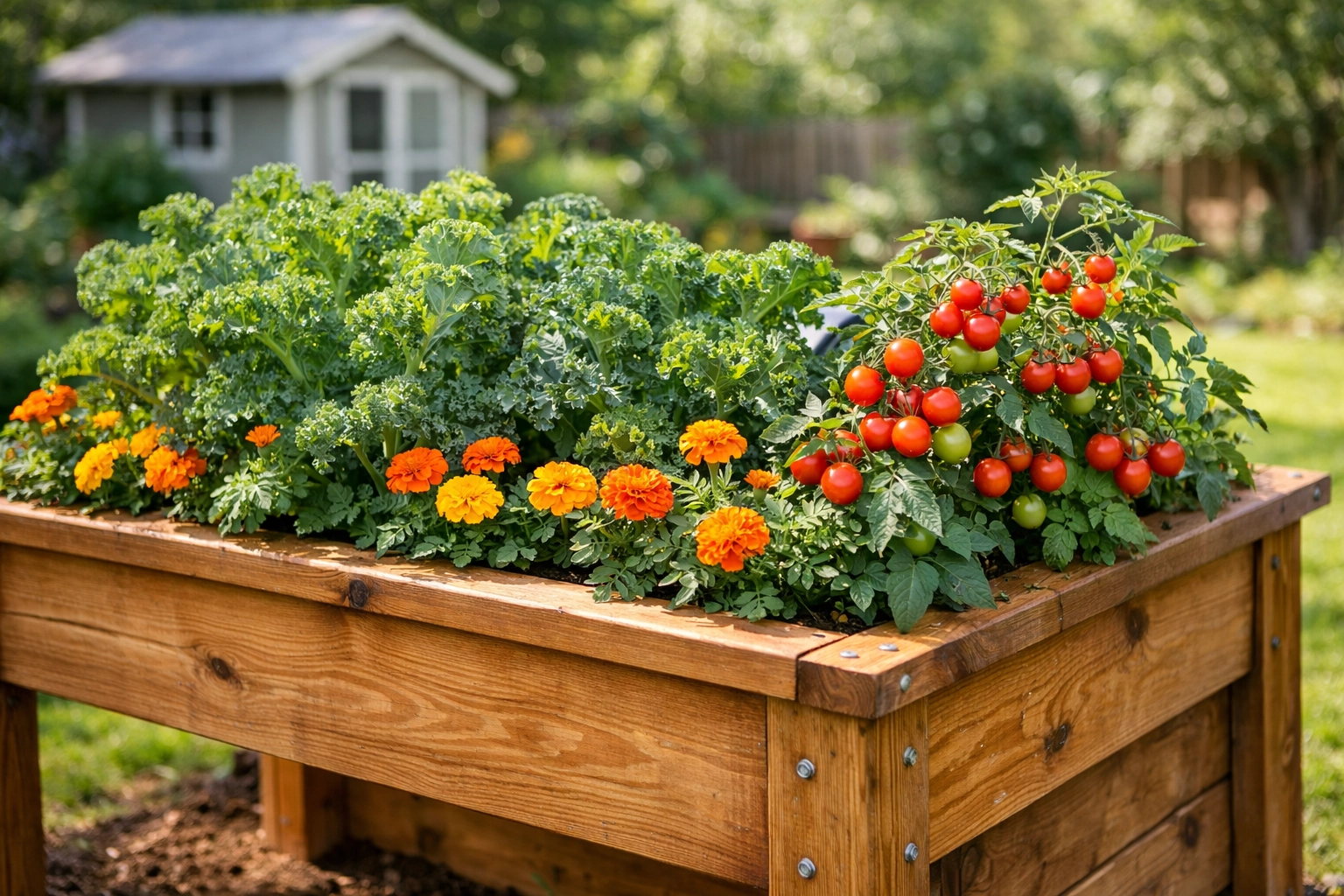
Bending down to reach the ground is one of the most physically taxing parts of gardening. It puts strain on the lower back and can cause a "head rush" or orthostatic hypotension when you stand back up too quickly, leading to a fall.
Raised beds solve this by bringing the soil up to you. Ideally, raised beds should be at waist-height (about 30 to 36 inches). If you use a wheelchair or prefer to sit while you work, you can build "table beds" that allow you to pull your chair right up to the plants. This eliminates the need for kneeling and makes the entire experience much safer and more comfortable.
7. Try Vertical Gardening
If building raised beds isn't an option, think vertically. Use trellises, wall-mounted planters, and hanging baskets (with pulley systems to lower them) to grow your favorite flowers and vegetables.
Growing cucumbers, peas, and even certain types of squash on a vertical frame keeps the produce at eye level. This prevents you from having to hunt through foliage on the ground, reducing the amount of time you spend in a vulnerable, stooped position.
8. Opt for Container Gardening
Containers are the ultimate "flexible" garden. You can place pots on sturdy tables or benches to keep them at a safe working height. Another benefit of container gardening is that you can move the plants to where you are, rather than you moving to them.
Using pots with wheels (caddies) allows you to shift your garden around without any heavy lifting. You can move your plants into the shade when it gets too hot or move them closer to the house for easier access on days when you’re feeling a bit more tired than usual.
9. Wear the Right Footwear
Your garden shoes shouldn't be those old, worn-out sneakers with the smooth soles. To prevent slips, you need shoes with a deep tread and good ankle support.
Avoid "flip-flops" or backless clogs, as these can easily slip off or cause you to trip if the toe catches on a weed. Look for waterproof gardening shoes that fit snugly and have a non-slip rubber sole. If you wear orthotics, make sure your garden shoes can accommodate them so your balance remains consistent.
10. Protect Your Vision and Head
Sun glare can be blinding, especially when it reflects off light-colored pavers or greenhouse glass. Always wear a wide-brimmed hat and polarized sunglasses. This doesn't just protect your skin; it helps you see the contours of the ground more clearly.
If you wear prescription glasses, ensure they are clean and that your prescription is up to date. Multifocal lenses can sometimes make the ground look closer or further away than it actually is, so take extra care when stepping off a curb or navigating stairs in the garden.
11. Use Long-Handled and Ergonomic Tools
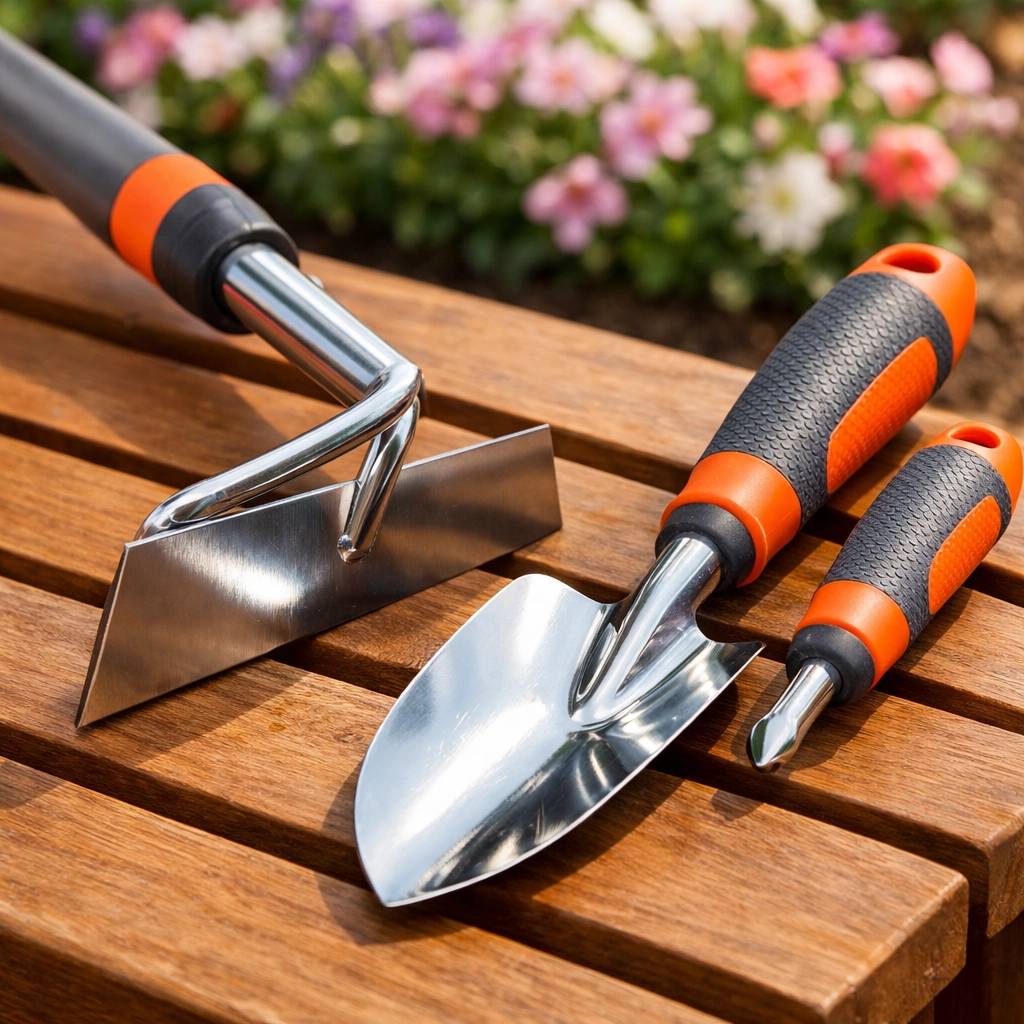
Modern gardening tools are designed to do the hard work for you. Long-handled hoes, rakes, and "grabbers" allow you to reach weeds or debris without bending over.
Look for tools with ergonomic handles: these are usually thicker and shaped to fit the hand, which reduces the grip strength required. When you don't have to strain your hands and arms, you maintain better overall body balance. Lightweight tools made of aluminum or carbon fiber are also preferable, as they reduce the fatigue that often leads to stumbles.
12. Invest in a Quality Kneeling Bench
Sometimes, you just have to get close to the plants. When that happens, a kneeling bench is your best friend. These are typically padded benches that can be flipped over. In one orientation, they are a seat; in the other, they are a kneeling pad with sturdy side handles.
Those side handles are the most important feature. They provide the leverage you need to lower yourself down safely and, more importantly, to push yourself back up to a standing position without putting undue stress on your knees or back.
13. Practice Safe Lifting Techniques
Bags of soil and heavy pots are common in the garden, but they are also common causes of injury. If you must lift something, remember the golden rule: bend at the knees, not the waist. Keep the object close to your body and use your leg muscles to power the lift.
Better yet, don't lift at all. Use a garden cart, a wheelbarrow, or a simple "sled" to move heavy items across the yard. If a pot is too heavy to move easily, wait for a friend or family member to help you. It’s never worth the risk of a back strain or a fall.
14. Manage Fatigue and Hydration
Falls are much more likely to happen when we are tired. When we’re "just finishing one last thing," we tend to get sloppy with our footing. Set a timer on your phone for 20 or 30 minutes. When it goes off, take a forced break. Sit down, drink some water, and assess how you’re feeling.
Dehydration can lead to dizziness and confusion, both of which are major fall risks. Even if you don't feel thirsty, the sun and physical exertion take a toll. Keep a water bottle with you in the garden and stay in the shade during the hottest parts of the day.
15. Have a Communication Plan
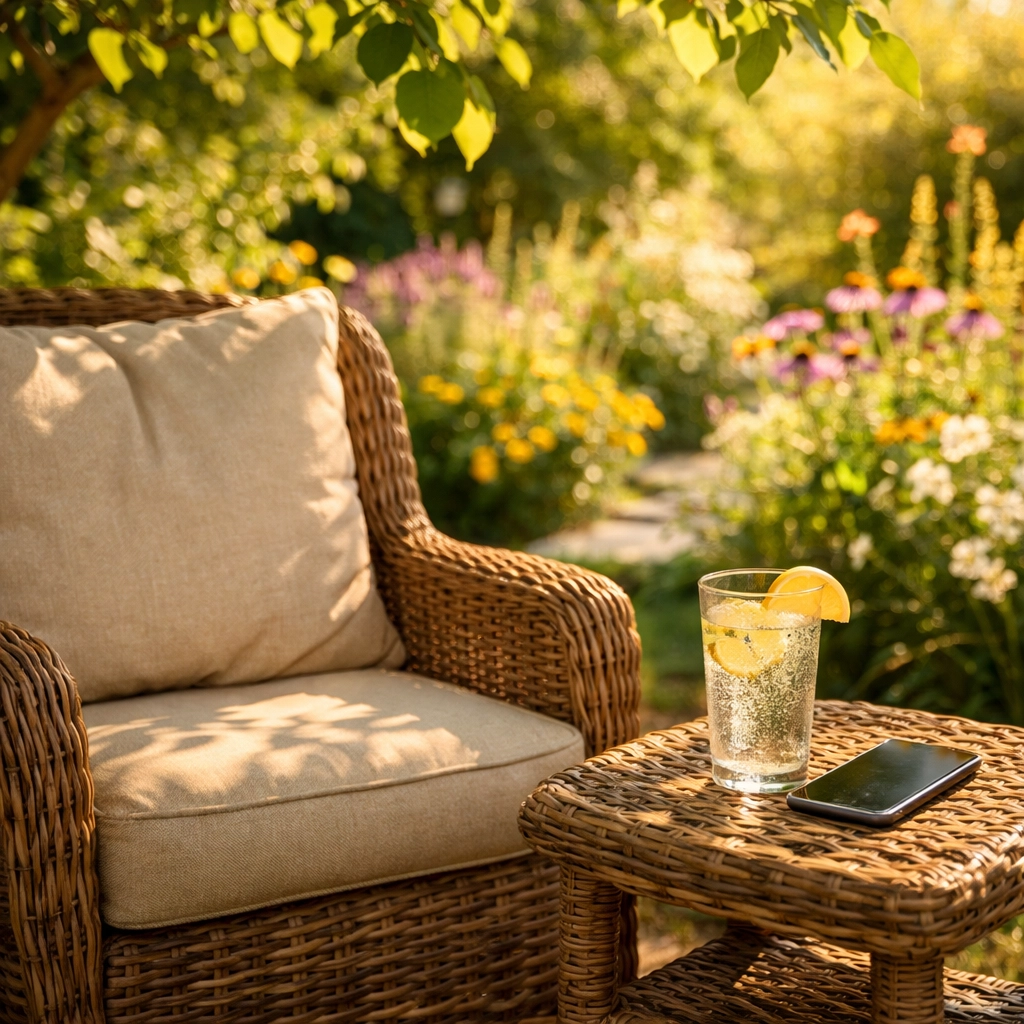
No matter how many precautions we take, it is always wise to have a "Plan B." Never go out to the garden without a way to call for help. A mobile phone in a secure pocket (not just sitting on a bench) or a wearable medical alert device is essential.
If you live with others, let them know you are headed outside and when you expect to be back. If you live alone, consider a "buddy system" where you text a neighbor when you head out and again when you’re safely back inside. Having someone who knows to check on you can provide immense peace of mind.
Final Thoughts
Gardening is a gift that should be enjoyed for as long as possible. By making these fifteen adjustments, you aren't "giving in" to aging; you are intelligently adapting your environment so you can continue to do what you love.
At Fall Guys Products, our mission is to provide the information and tools needed to keep you moving safely. Your backyard should be a place of growth and relaxation. With a few smart changes to your paths, your tools, and your habits, you can keep your "green thumb" active while keeping your feet firmly on the ground. Happy gardening!

