
There is something deeply restorative about spending time in a garden. Whether it’s the smell of damp earth in the spring, the bright colors of a summer bloom, or simply the quiet peace of sitting on a porch, the outdoors provides a sense of purpose and connection. For many of us, gardening isn’t just a hobby; it’s a way of life that keeps us moving and keeps our spirits high.
However, as we age or face mobility challenges, the very environment that brings us joy can also present unique risks. Uneven soil, slippery grass, and stray garden hoses can turn a peaceful afternoon into a hazardous situation. The good news is that you don’t have to hang up your gardening gloves. With some thoughtful planning and a few adjustments to your outdoor space, you can continue to enjoy your garden safely and confidently.
In this guide, we’ll walk through 15 practical, effective ways to prevent falls in the garden, ensuring your outdoor sanctuary remains a place of relaxation rather than a source of worry.
1. Install Slip-Resistant Pavers
The foundation of garden safety starts under your feet. Traditional stepping stones can be charming, but they are often small, uneven, and prone to wobbling. If a stone tilts when you step on it, it can easily throw off your balance.
Replace narrow or smooth stones with large, slip-resistant pavers. Look for materials with a textured finish: often called "broom-finish" concrete or natural stone with a "riven" surface. These provide better traction even when wet. Ensure that the pavers are set firmly into a base of sand or crushed stone so they don't shift over time.
2. Level All Uneven Surfaces
Nature is rarely flat. Over time, soil settles, tree roots lift sections of the path, and frost heaves the ground. These small "lips" or depressions are classic trip hazards.
Take a walk through your garden with a critical eye. Look for areas where the grass meets a patio or where two different types of flooring meet. Use a straight edge or a level to identify dips. You can often fix minor issues by filling low spots with premium garden soil and tamping it down, or by grinding down the edges of concrete that have become uneven.
3. Widen Your Pathways
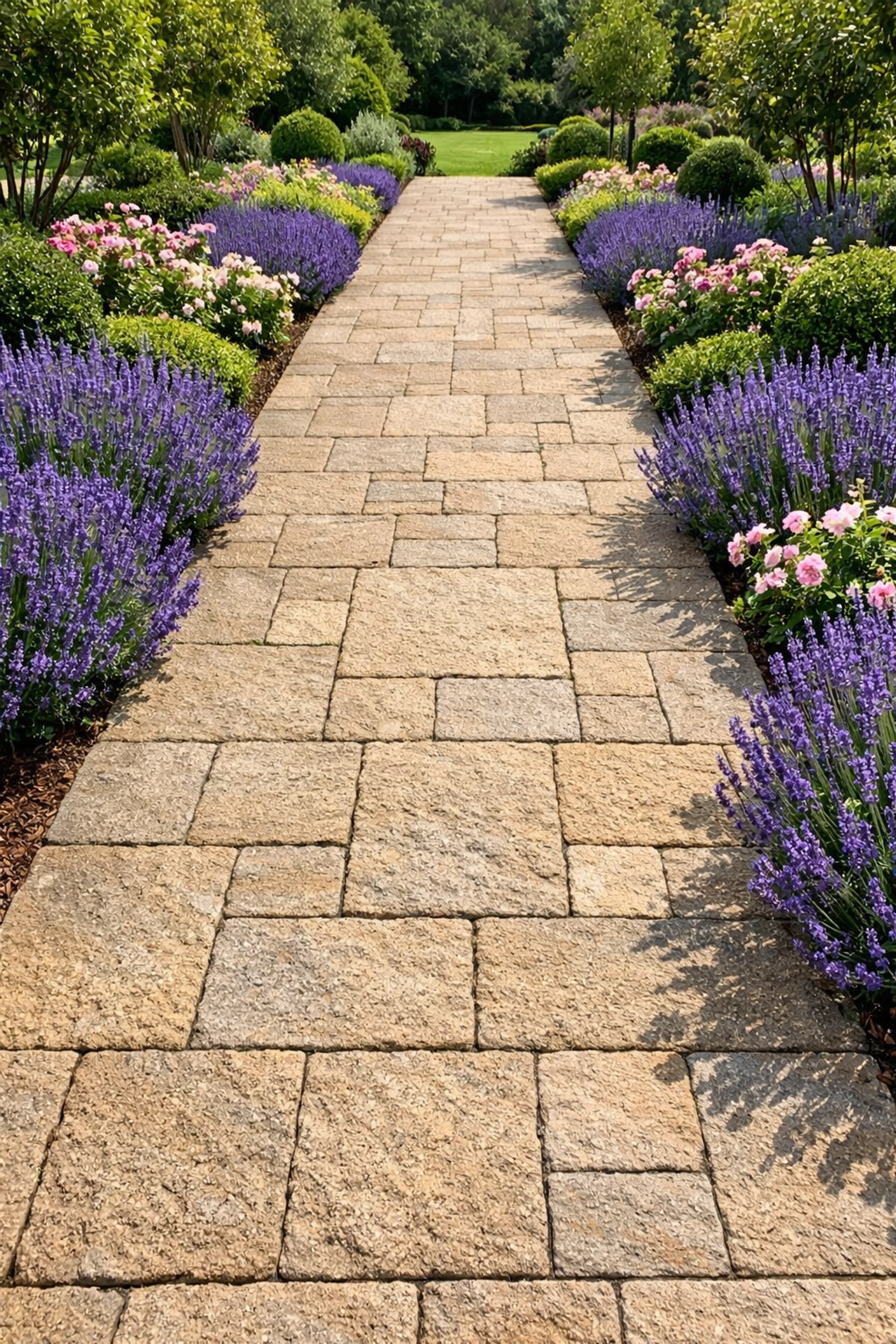
Many garden paths are designed for aesthetics, resulting in narrow, winding trails that are difficult to navigate. For true safety and accessibility, pathways should be at least 36 inches wide.
This width allows for a stable gait and provides enough room for a walker or a wheelchair if needed. Wide paths also mean you don’t have to "tightrope walk" around overhanging shrubs or decorative pots. If your current paths are too narrow, consider widening them with a border of flat bricks or additional pavers to create a more generous walking surface.
4. Replace Loose Materials
Loose gravel, decorative pebbles, and wood mulch might look beautiful, but they can be incredibly unstable. Walking on deep gravel is often compared to walking on marbles; the stones shift under your weight, making it difficult for your ankles to stay stable.
If you have areas with loose materials, consider replacing them with more stable options like compacted decomposed granite (which packs down firmly) or interlocking pavers. If you prefer mulch in your flower beds, keep it strictly in the beds and use a sturdy edging to prevent it from spilling onto your walking paths.
5. Add Garden Edging for Visual Definition
As we age, our depth perception and peripheral vision can change. It can become harder to tell where the firm path ends and the soft garden bed begins.
Installing garden edging provides a clear visual and tactile boundary. Whether you use timber, metal strips, or raised bricks, the edging serves as a guide for your feet. It also helps keep soil and mulch off the walkways, reducing the risk of slipping on debris.
6. Consolidate Surface Types
Visual confusion is a major contributor to falls. If your garden path changes from brick to wood to concrete to grass within a short distance, your brain has to constantly recalibrate how much grip your feet need.
Try to commit to one primary surface type for your main walkways. Having a consistent texture underfoot allows you to walk more instinctively. If you must change surfaces, ensure the transition is flush and clearly marked so you aren't caught off guard by a change in traction.
7. Mark Transitions and Elevation Changes
Even a single step or a slight incline can be dangerous if you don’t see it coming. Areas where the porch meets the yard or where a path slopes downward should be highlighted.
You can use contrasting colors to make these transitions stand out. For example, painting a white or yellow strip on the edge of a step can provide the visual cue needed to lift your foot high enough. Similarly, using a different colored paver at the start of a ramp or slope can alert you to the change in terrain.
8. Install Sturdy Handrails
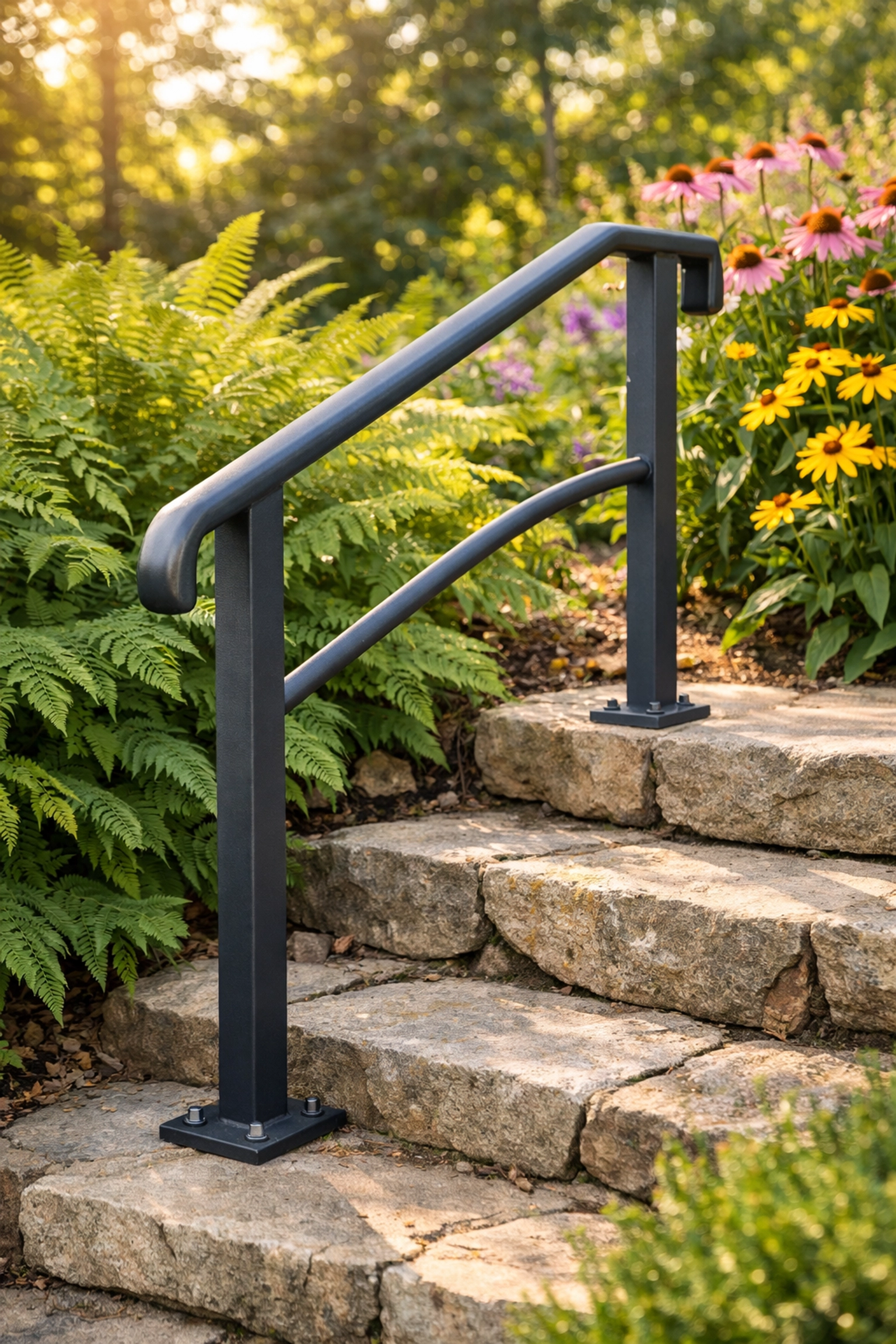
Handrails aren't just for indoor stairs. If your garden has any steps, steep slopes, or long stretches of path, a weather-resistant handrail can provide a crucial point of stability.
When installing outdoor rails, ensure they are made of materials that won't get too hot in the sun or too slippery in the rain, such as powder-coated aluminum or treated wood. The rail should be at a comfortable height and sturdy enough to support your full weight if you happen to lose your balance.
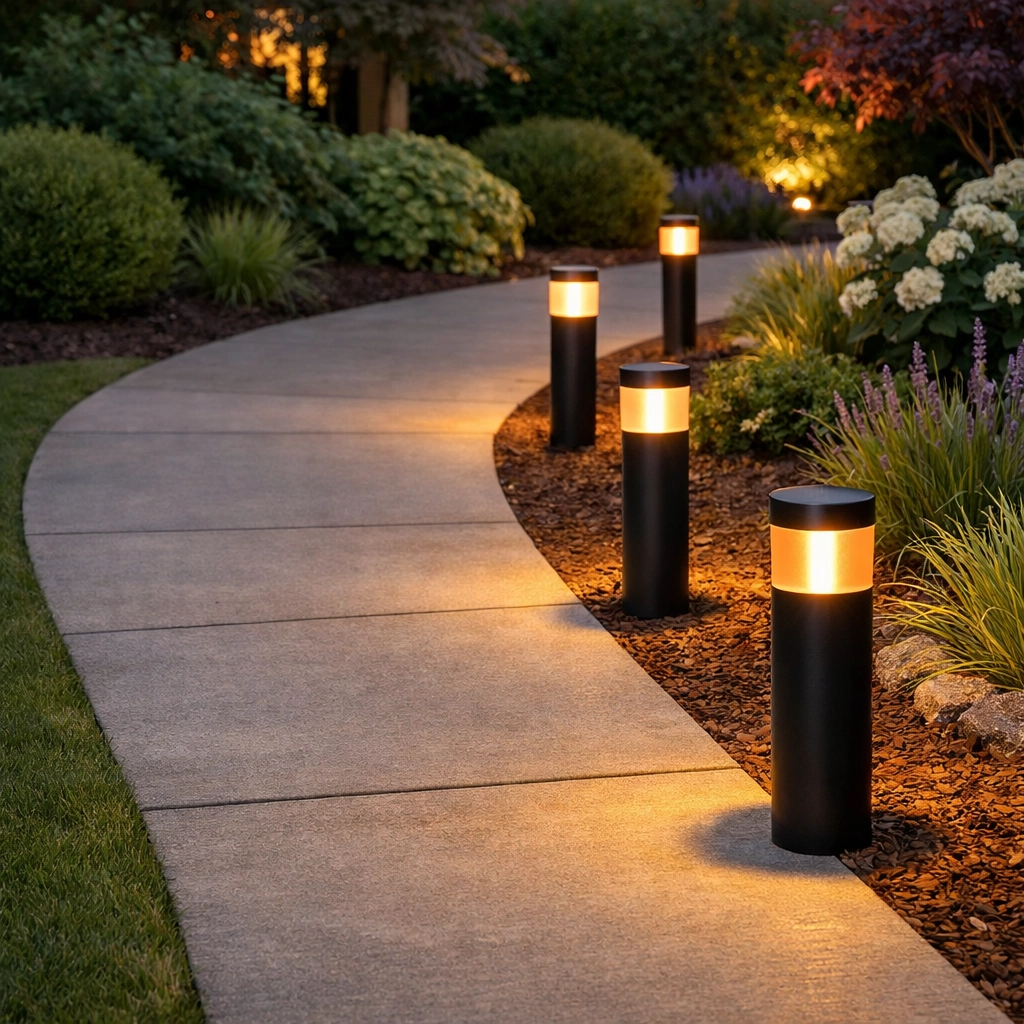
9. Provide Adequate Lighting
Many falls happen at dusk when we are trying to finish "one last thing" before heading inside. Proper illumination is essential for spotting hazards like stray tools or puddles.
Install solar-powered LED lights along the edges of your paths. They are easy to set up and don't require wiring. For entrances and patios, motion-sensor lights are excellent because they provide bright light exactly when you need it without requiring you to fumbling for a switch in the dark.
10. Eliminate Trip Hazards and Clear Vegetation
The garden is a dynamic environment; things grow, and things get moved. A stray garden hose is perhaps the most common trip hazard in any yard.
Invest in a high-quality hose reel that makes it easy to wind the hose up immediately after use. Likewise, keep an eye on "creeping" plants. Ground covers and vines can quickly overgrow the edges of a path, creating a hidden snare for your feet. Set a regular schedule for trimming back any vegetation that encroaches on your walking space.
11. Organize Storage and Furniture
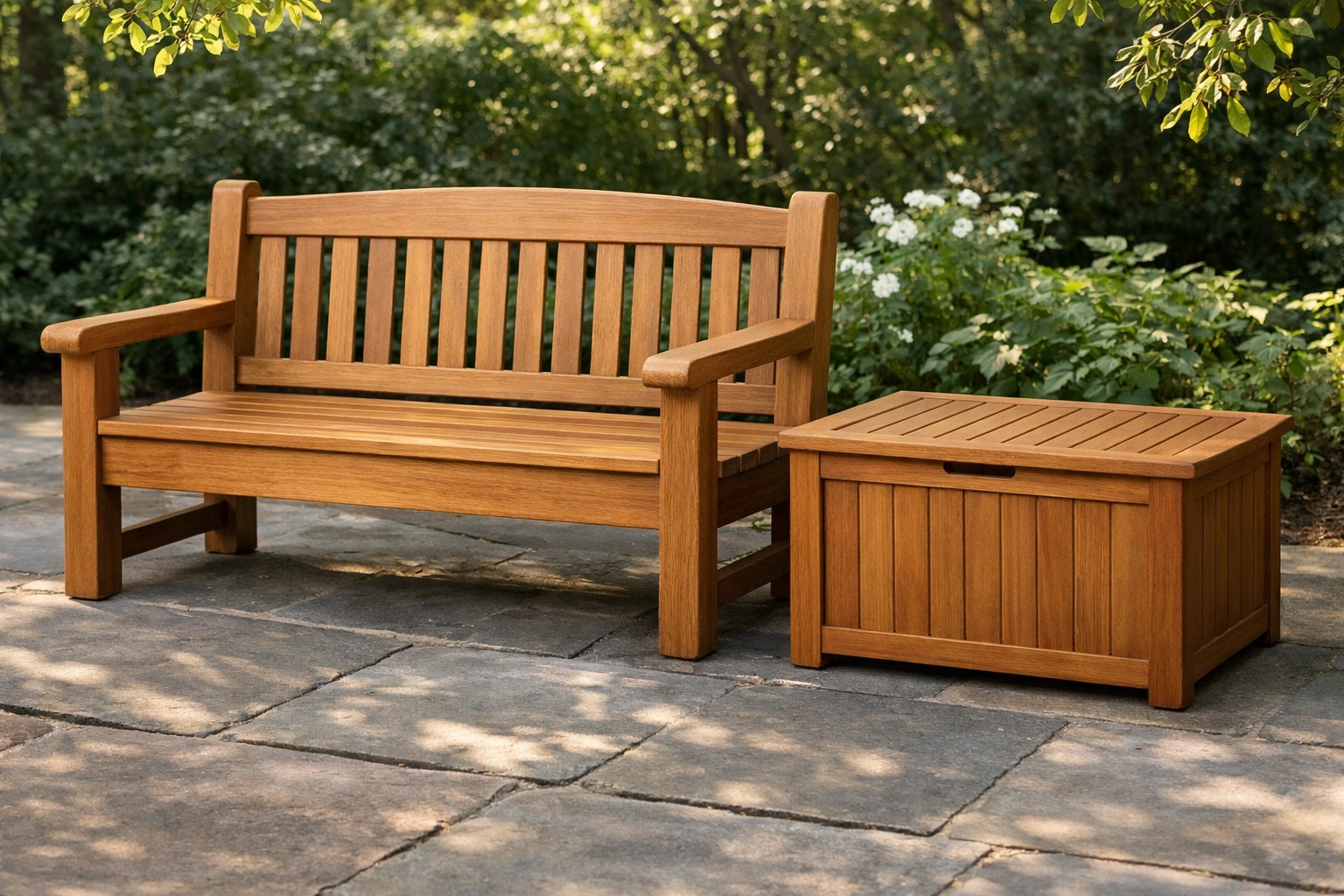
Strategically placed furniture can actually be a safety feature, providing a place to rest. However, it must be stable. Avoid lightweight plastic chairs that might tip if you lean on them for support while standing up. Opt for heavy-duty wrought iron, teak, or weighted furniture.
Keep your most-used tools in an easy-to-reach storage bench near the area where you work. This prevents you from having to carry heavy items long distances or overreaching into deep sheds, both of which can compromise your balance.
12. Wear Appropriate Footwear
It’s tempting to slip on a pair of flip-flops or old sneakers to step out into the garden, but footwear is your primary defense against slips.
Choose shoes with a firm sole and a deep tread pattern for grip. Avoid shoes with "clog" styles that don't have a back, as your heel can easily slide out on uneven ground. Sturdy, lace-up shoes or boots with ankle support provide the best stability when walking on grass or soil.
13. Use Proper Body Mechanics
How you move in the garden matters just as much as where you walk. Bending over from the waist to weed a bed puts your center of gravity far forward, making it easy to topple.
Instead, use a kneeling pad or a garden stool to get closer to your work. When you need to lift something: like a bag of mulch or a heavy pot: bend at your knees and hips, keeping the object close to your body. Always warm up with a few gentle stretches before you start gardening to ensure your muscles are ready for the movement.
14. Pacing, Hydration, and Fatigue
Fatigue is a significant, yet often overlooked, fall risk. When we get tired, our coordination decreases, and we become more likely to stumble.
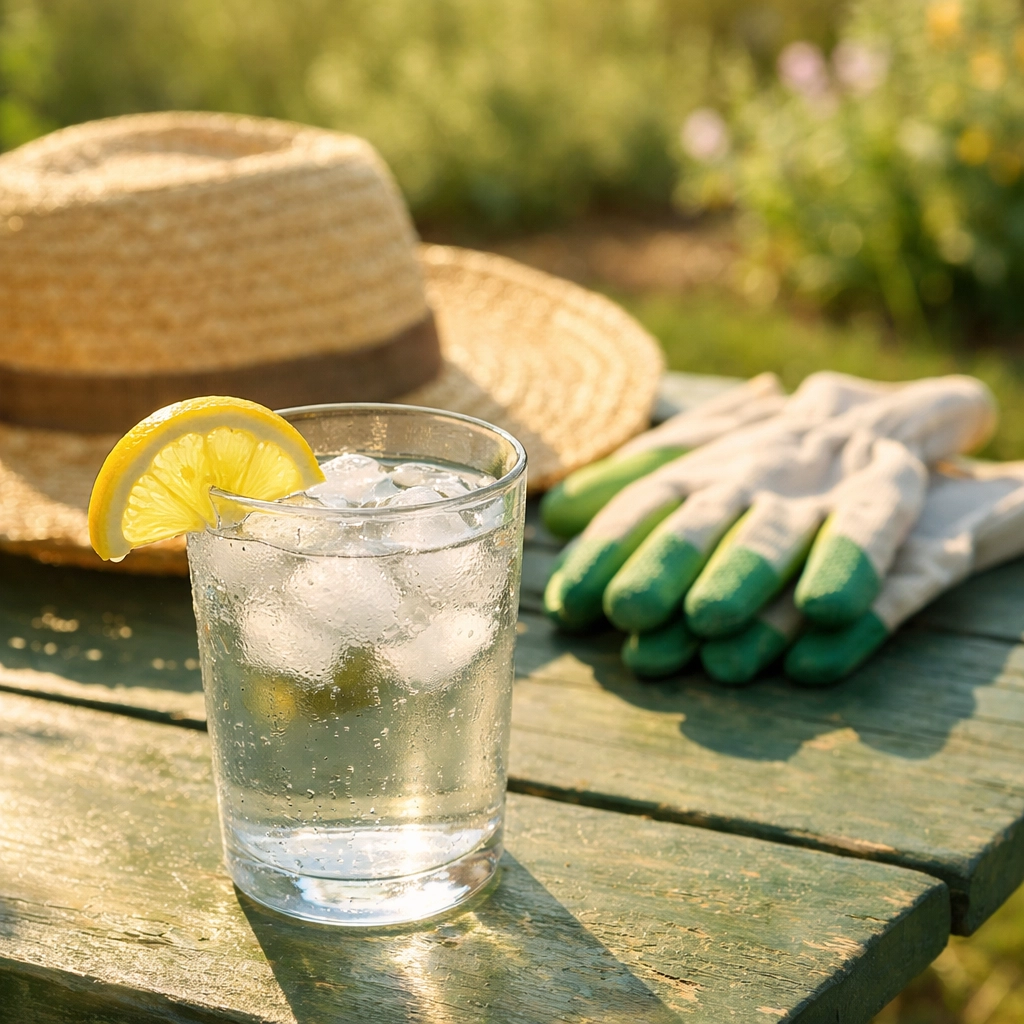
Gardening is a workout. Treat it like one. Take a break every 15 to 20 minutes, even if you don't feel tired yet. Sit down, drink some water, and enjoy the view. Staying hydrated keeps your blood pressure stable and your mind sharp, both of which are vital for maintaining balance.
15. Use Assistive Tools and Carts
Modern gardening tools are designed to make life easier and safer. Long-handled hoes and weeders allow you to work while standing upright, eliminating the need to kneel and struggle back up.
For moving heavy loads, never try to "carry and walk." Use a stable, four-wheeled garden cart rather than a traditional one-wheeled wheelbarrow. One-wheeled barrows require a great deal of core strength and balance to keep from tipping. A four-wheeled cart stays level on its own, allowing you to focus entirely on your footing.
Creating a Maintenance Routine
Safety in the garden isn't a one-time event; it’s an ongoing process. Because the outdoor environment changes with the seasons, it’s helpful to perform a "Garden Safety Audit" once a month.
- Check the paths: Sweep away loose soil, leaves, or pine needles that can act like ball bearings under your shoes.
- Test the lights: Wipe off solar panels and replace any dead bulbs.
- Inspect the ground: Look for new holes from squirrels or dogs that might need filling.
- Monitor the weather: Be extra cautious after a rainstorm when moss or algae can make wooden decks and stone paths incredibly slick.
The Big Picture
Gardening should be a source of life and health, not a source of injury. By taking the time to widen your paths, brighten your lighting, and choose the right tools, you aren't just "preventing a fall": you are protecting your independence.
A safe garden is a garden that will be used. When you know the ground beneath you is firm and the path ahead of you is clear, you can focus on what really matters: the joy of watching something grow. Be patient with yourself as you make these changes, and don't hesitate to ask for help with the heavier tasks. Your garden will thank you, and your body will too.

