
Gardening is often described as one of life’s greatest simple pleasures. It offers a unique blend of physical activity, mental relaxation, and the tactile satisfaction of nurturing growth. For many of us, the garden is a sanctuary: a place to enjoy the fresh air, watch the birds, and get our hands a little dirty.
However, as we age or face mobility challenges, the garden can also present a variety of environmental hurdles. Uneven soil, tangled hoses, and slippery grass are common culprits for slips and falls. At Fall Guys Products, we believe that safety shouldn't mean staying indoors; it means adapting our environments so we can keep doing what we love with confidence.
In this guide, we will explore 15 practical and effective ways to reduce fall risks in your garden. By making a few thoughtful changes to your outdoor space, you can continue to enjoy the therapeutic benefits of nature while staying safe and steady on your feet.
1. Choose Slip-Resistant Pathway Materials
The foundation of a safe garden is the ground you walk on. Traditional paving stones can become surprisingly slick when wet, especially if they have a smooth or polished finish. When planning or renovating your garden paths, look for materials with a natural, "toothy" texture.
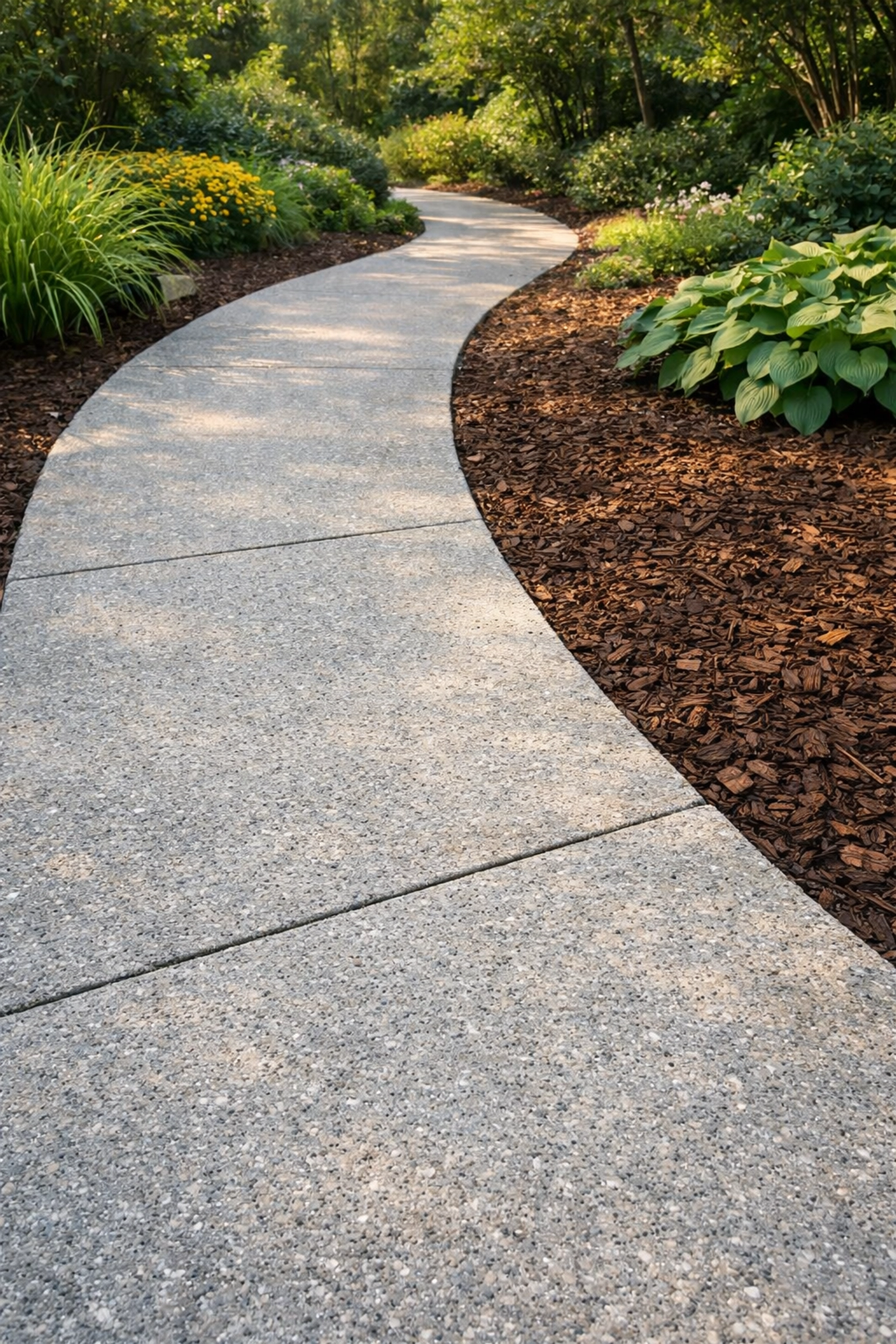
Unpolished sandstone, brushed concrete, or textured pavers are excellent choices. These materials provide the necessary friction to keep your footwear from sliding. If you already have existing stone paths that feel a bit treacherous after a rainstorm, consider applying a non-slip masonry sealer or anti-slip tape specifically designed for outdoor use.
2. Install Garden Edging for Visual Clarity
As we age, our depth perception and peripheral vision can change, making it harder to distinguish where a walkway ends and a flower bed begins. This is where garden edging becomes a vital safety tool.
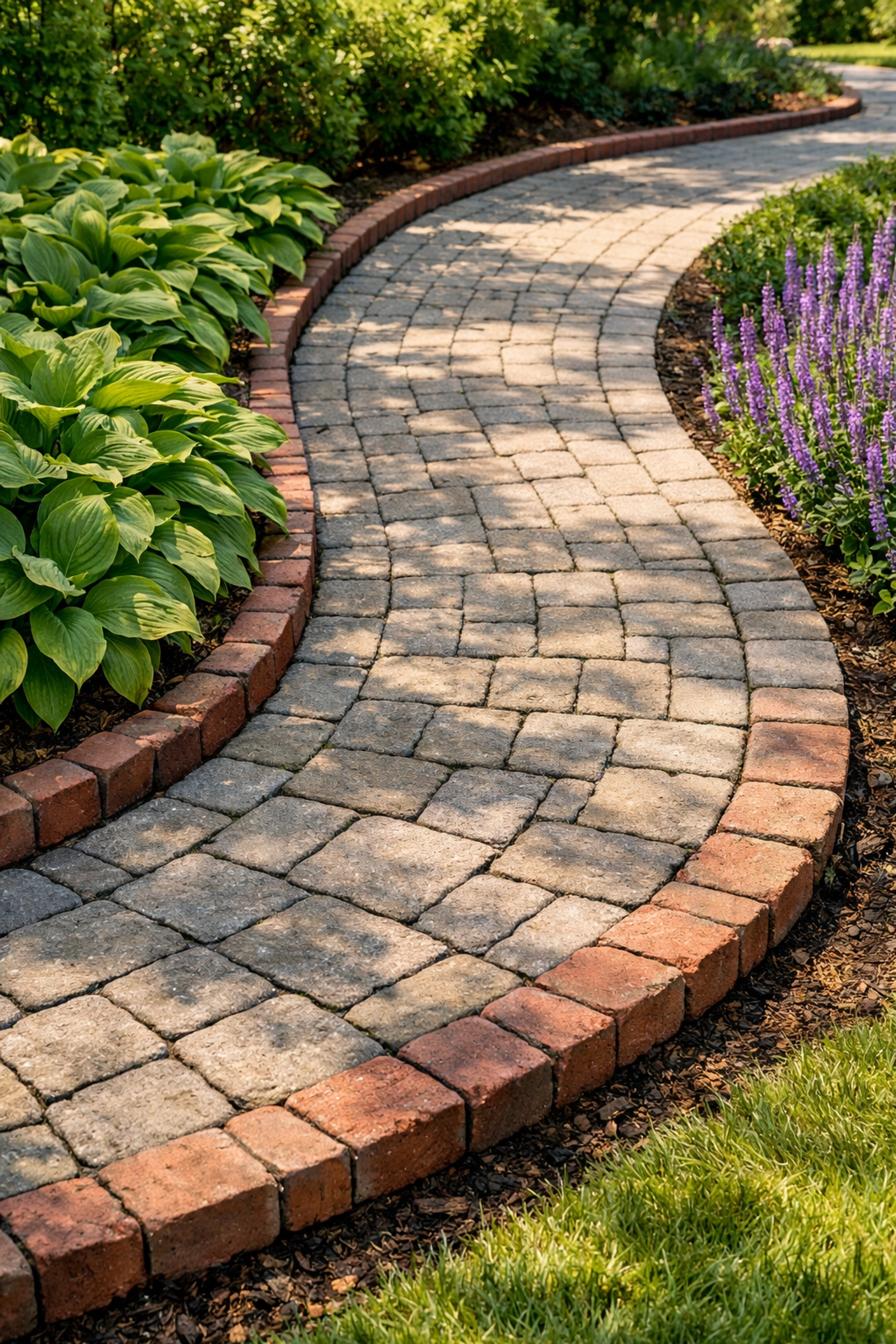
By installing a clear border: such as bricks, timber, or stones: you create a strong visual cue. This high-contrast edge helps you stay centered on the path. Additionally, edging serves a physical purpose: it keeps loose mulch, soil, and gravel from spilling onto your walking surface, where they can act like tiny ball bearings under your feet.
3. Ensure Wide, Level Walkways
A narrow path can feel restrictive and force you to take awkward steps to avoid stepping into the mud or onto plants. For maximum safety, garden paths should be at least 36 inches wide. This width allows for a natural gait and provides enough room to accommodate a walker or cane if needed.
Leveling is equally important. Over time, the ground naturally shifts, causing pavers to sink or tilt. Check your paths annually for "heaving" or "tripping lips": areas where one stone has risen above another. Even a half-inch difference is enough to catch a toe and cause a stumble.
4. Fix Sunken or "Proud" Pavers
In the world of landscaping, a "proud" paver is one that sticks up higher than its neighbors. These are the primary enemies of stability. If you notice a stone is rocking or protruding, take the time to lift it, level the sand or soil beneath it, and reset it.
If you aren't comfortable doing the heavy lifting yourself, this is a perfect task for a handy neighbor or a professional landscaper. Keeping your walking surface as flat as possible is one of the single most effective things you can do to prevent a fall.
5. Prioritize Proper Drainage
Water is a major factor in fall risks. Standing water can create puddles that obscure the depth of the ground, while constant moisture leads to the growth of moss and algae: both of which are incredibly slippery.
Ensure your paths have a very slight "fall" or slope (usually about 1 inch for every 4 feet) to allow water to run off toward a drainage area. If you have a low spot that constantly collects water, consider installing a French drain or adding a layer of compacted crushed stone to elevate the area.
6. Use High-Contrast Colors
When the sun is bright, very light-colored paths can create a blinding glare that makes it hard to see obstacles. Conversely, very dark paths can hide shadows and changes in elevation.
The ideal garden path uses mid-tone colors that contrast with the surrounding grass or foliage. If you have steps or a change in level, painting a bright white or yellow line on the edge of the step can help your eyes register the transition, reducing the chance of a misstep.
7. Install Sturdy Handrails
Handrails aren't just for indoor staircases. If your garden has a slope, a few steps, or even a long, flat stretch where you feel a bit winded, a handrail can provide essential stability.
Outdoor-rated handrails made of powder-coated steel or weather-treated wood can be blended into the landscape with climbing vines or nearby shrubs. Having a "third point of contact" to hold onto while navigating a grade can significantly increase your confidence and safety.
8. Brighten Up with Outdoor Lighting
Many falls occur during the "golden hours" of dawn or dusk when shadows are long and vision is compromised. Proper lighting is essential for any garden you plan to enjoy outside of midday.
Solar-powered stake lights are an easy, wire-free way to line your paths. Motion-sensor floodlights near the back door or garage can ensure you never have to step into total darkness. Focus your lighting on transitions: anywhere there is a step, a curve, or a change in surface material.
9. Create "Rest Stops" or Seating Waypoints
Fatigue is a sneaky contributor to falls. When we get tired, our muscles weaken, our reaction times slow down, and we become more likely to trip.
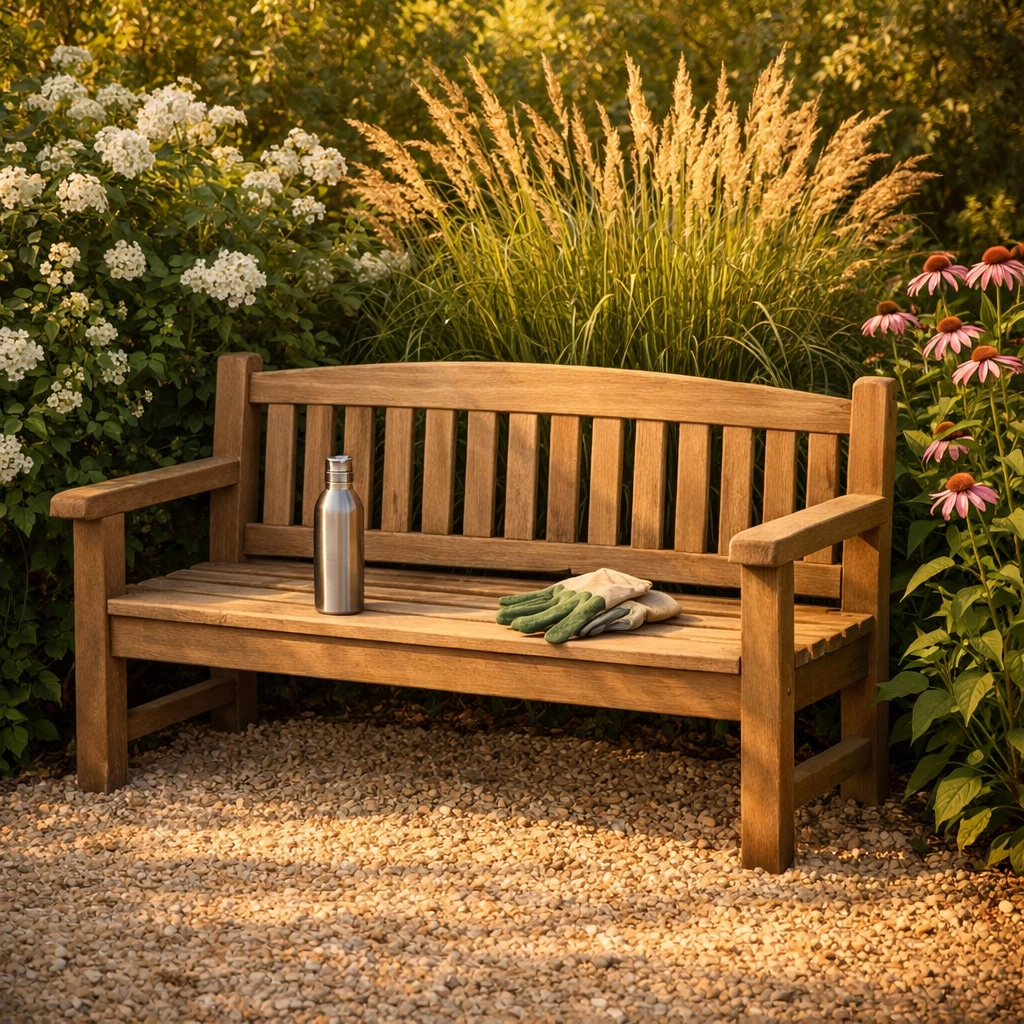
By placing a sturdy bench or a weather-resistant chair every 20 or 30 feet, you give yourself permission to take breaks. Knowing there is a safe place to sit just a few steps away can make a larger garden feel much more manageable. Ensure these seats are on a firm, level surface so they don't tip when you sit down or stand up.
10. Avoid Loose Gravel and Shifting Mulch
While gravel paths look beautiful and "crunch" satisfyingly underfoot, they can be unstable. Deep gravel shifts under weight, making it feel like you are walking on sand. This requires more muscle effort and can lead to ankle rolls.
If you prefer the look of gravel, use "stabilized gravel" or a very thin layer of crushed stone that has been compacted with a plate compactor. For garden beds, keep mulch away from the edges of the path to prevent it from migrating onto your walking surface.
11. Manage Clutter and Hoses
The garden hose is perhaps the most common tripping hazard in the yard. It’s easy to leave it stretched across a path "just for a minute," but those are the moments when accidents happen.
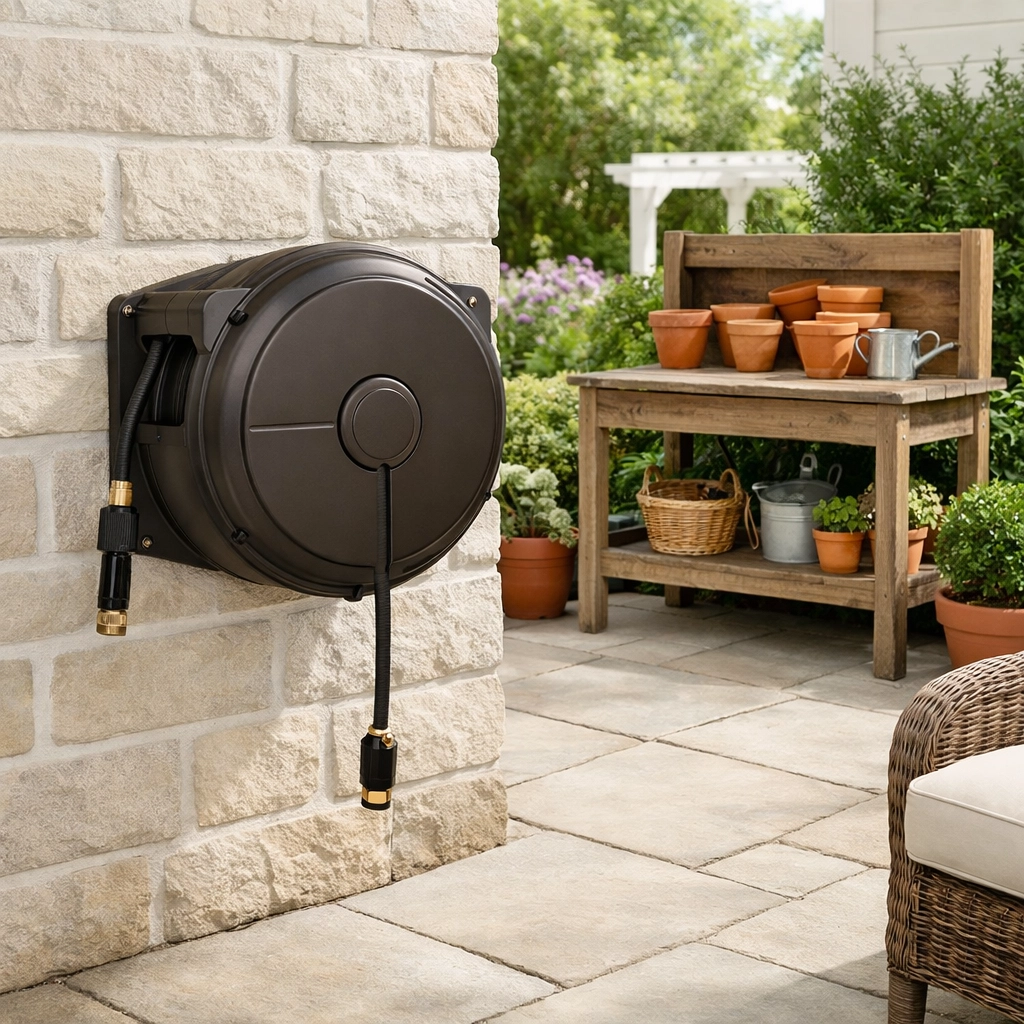
Invest in a high-quality hose reel: ideally one that is wall-mounted and retractable. If you must leave a hose out, make sure it is brightly colored (like bright yellow or lime green) so it stands out against the grass. Similarly, always put away rakes, shovels, and trowels immediately after use.
12. Transition to Raised Garden Beds
One of the best ways to stay safe in the garden is to bring the plants up to you. Bending over for long periods can cause a "head rush" (orthostatic hypotension) when you stand up, leading to dizziness and potential falls.
Raised beds: standing at waist or hip height: allow you to garden without kneeling or bending. This protects your back and keeps your center of gravity stable. Table-style garden beds even allow you to pull up a chair or a wheelchair, making the hobby accessible to everyone.
13. Wear the Right Shoes for the Job
Safety starts with what you put on your feet. While it might be tempting to slip on a pair of loose clogs or flip-flops for a quick trip to the garden, these offer very little support and can easily catch on a root or rock.
The best gardening shoes have a closed toe, a firm heel counter, and a rubber sole with deep treads. If you use orthotics, make sure your gardening shoes can accommodate them. Proper footwear provides the sensory feedback your brain needs to maintain balance on uneven ground.
14. Practice Pacing and Hydration
Gardening is a workout! It’s easy to lose track of time when you're focused on your plants, but dehydration and overexertion are major fall risks. Dehydration can lead to confusion and dizziness, while overexerted muscles can "give out" unexpectedly.
Carry a water bottle with you, even if you’re only going out for fifteen minutes. Set a timer on your watch or phone to remind you to take a break every half hour. Listen to your body: if you start to feel a dull ache in your back or a slight wobble in your legs, it’s time to head inside and rest.
15. Keep a Communication Device Handy
Despite our best efforts, accidents can still happen. Being prepared for a fall is just as important as preventing one. Always carry a mobile phone in a secure pocket (not a loose apron) or wear a personal medical alert pendant.
If you live alone, tell a neighbor or family member when you are headed out to work in the garden and let them know when you’re back inside. Having a plan for "what if" provides a layer of security that allows you to relax and enjoy your time outdoors.
The Science of Stability in the Garden
Understanding why we become more prone to falls helps us take these precautions seriously. As we age, our "proprioception": the body's ability to sense its position in space: can diminish. This system relies on sensors in our joints, muscles, and the soles of our feet. When we walk on soft, uneven garden soil, those sensors have to work overtime.
Furthermore, many of us experience a decrease in muscle mass (sarcopenia), particularly in the core and lower legs. These muscles are responsible for making those "micro-adjustments" that keep us upright when we stumble. By implementing the environmental changes mentioned above, we reduce the demand on our balance systems, making it easier for our bodies to keep up.
Final Thoughts
Your garden should be a place of joy, not a source of anxiety. By taking a proactive approach to safety: focusing on clear paths, good lighting, and ergonomic gardening habits: you can significantly reduce your risk of a fall.
Safety in the outdoors isn't about restriction; it's about empowerment. When you know your environment is stable and your habits are sound, you can focus on the beauty of the blooms and the peace of the outdoors. Happy gardening!

