
There is something truly special about spending time outdoors. Whether it’s tending to a flower bed, enjoying a morning coffee on the patio, or taking a stroll through a local park, the fresh air and sunshine do wonders for our mental and physical well-being. At Fall Guys Products, we believe that staying active and enjoying your garden should be a source of joy, not a source of worry.
However, the outdoor environment presents a unique set of challenges compared to the controlled setting of your living room. Uneven grass, hidden tree roots, slick patio stones, and changing light conditions can all increase the risk of a slip or trip. Prevention isn’t about staying inside; it’s about preparing yourself and your environment so you can move with confidence.
Here are 15 simple, practical ways to keep your outdoor adventures safe and enjoyable.
1. Choose the Right Footwear for the Terrain
Your connection to the ground starts with your shoes. While it might be tempting to slip on a pair of loose clogs or flip-flops to run out to the mailbox, these are often the culprits behind outdoor falls.
The ideal outdoor shoe should have a firm, non-skid sole with plenty of grip. Look for footwear with deep treads, similar to what you’d find on a hiking boot or a high-quality sneaker. This helps you maintain traction on loose soil or wet grass. Additionally, ensure the shoe fits snugly and supports the ankle. If you are heading out in icy or very rainy conditions, consider using rubber shoe covers or "ice cleats" that slip over your regular shoes to provide extra bite into the surface.
2. Scan the Path Ahead
When we walk indoors, we often rely on "autopilot" because the floor is flat. Outdoors, that habit can be dangerous. A key technique for fall prevention is to scan the path roughly 6 to 10 feet ahead of where you are currently standing.
By looking ahead rather than directly at your feet, you give your brain and nervous system time to process upcoming hazards. If there is a protruding root, a patch of moss, or a dip in the lawn, you’ll see it several steps before you reach it, allowing you to adjust your stride or choose a different route entirely.
3. Keep Your Hands Free
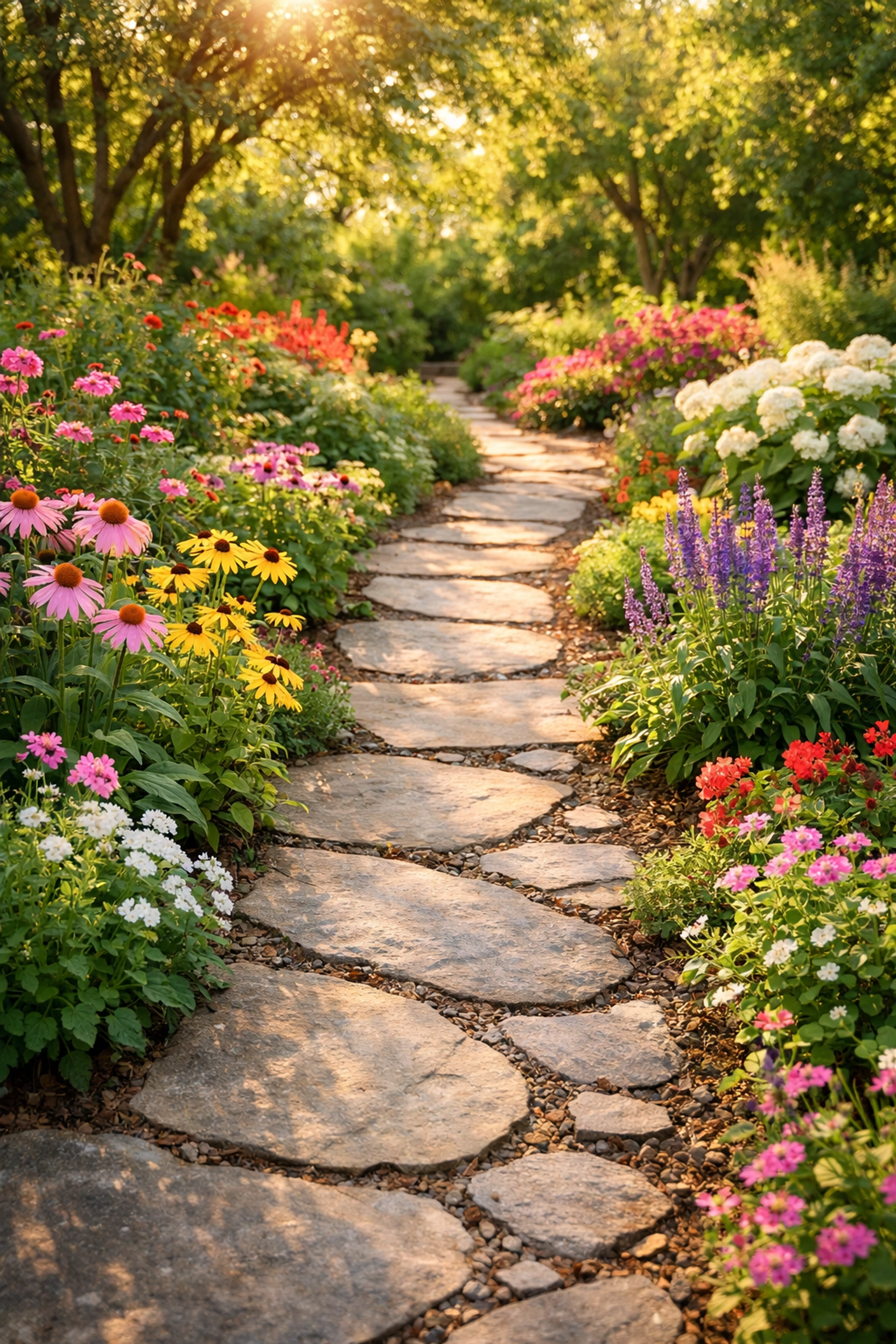
Balance is a dynamic process that involves your entire body, including your arms. If you are carrying a heavy watering can in one hand or a pile of gardening tools in both, you lose the ability to use your arms for counterbalance if you stumble.
Try to keep your hands free whenever possible. Use a fanny pack, an over-the-shoulder tool bag, or a small garden cart to transport your items. If you must carry something, keep the weight distributed evenly or make two trips. Having your hands available to grab a railing or simply to help you find your center can make all the difference.
4. Be Mindful of "Transition Zones"
Falls often happen where two different types of surfaces meet. Think about the transition from a concrete driveway to a grassy lawn, or from a wooden deck to a gravel path. These transition zones often have small "lips" or changes in height that are easy to miss.
Whenever you move from one surface to another, slow down. Pay extra attention to the height of the transition and make sure you are lifting your feet high enough to clear the edge completely.
5. Manage Glare and Vision
Outdoor light can be much more intense than indoor lighting, creating deep shadows and bright glares that hide trip hazards. As we age, our eyes often take longer to adjust to changes in light levels.
Wear polarized sunglasses to reduce glare on bright days, which helps you see the texture of the ground more clearly. It is also important to be cautious if you wear bifocals or trifocals. These lenses can distort your depth perception when you look down at the ground through the bottom portion of the lens. If you find this is a recurring problem, talk to your optometrist about getting a pair of single-vision glasses specifically for outdoor activities and walking.
6. Install Motion-Detector Lighting
Many falls occur at dusk or during the night when we step outside to check the mail or let a pet out. Relying on a single porch light often leaves large areas of the walkway in darkness.
Installing motion-detector lights along walkways and near entrances ensures that you always have a well-lit path. Since these lights turn on automatically, you don't have to worry about fumbling for a switch in the dark. Solar-powered path lights are an easy, no-wire solution to line your garden walkways.
7. Use Assistive Devices Consistently
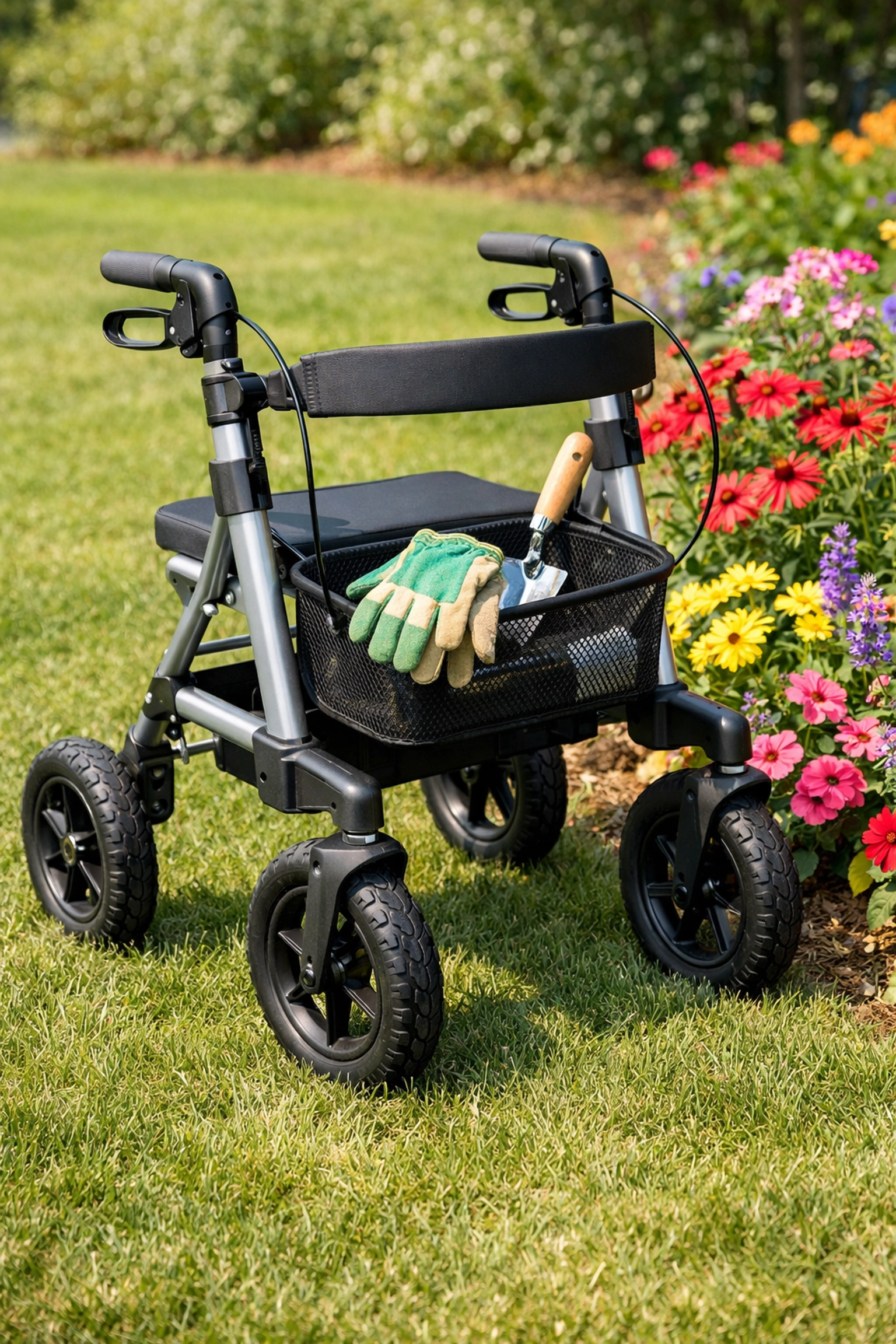
Some people feel that using a cane or a walker in the garden is a sign of "giving up," but we see it differently. An assistive device is a tool for independence. Just as you’d use a spade to dig a hole, you use a cane or a rollator to provide a stable point of contact with the earth.
If you feel even slightly unsteady, use your mobility aid outdoors. Walkers with larger wheels are specifically designed to handle "off-road" conditions like grass and gravel. They provide a sturdy frame to lean on and often come with a seat if you need to take a break.
8. Maintain Your Walkways
Over time, nature tries to reclaim our paths. Moss and algae can grow on stone or wood, becoming incredibly slippery when wet. Tree roots can push up sidewalk slabs, and gravel can thin out, leaving holes.
Regular maintenance is a vital part of fall prevention. Use a power washer or a stiff brush to clear away moss and slime. Fill in any low spots in your lawn with topsoil to prevent "hidden" holes. If a walkway is cracked or uneven, consider having it repaired or marking the edge with high-visibility outdoor paint so you know exactly where the hazard is.
9. Create "Rest Stations"
Fatigue is a major contributor to falls. When we get tired, our muscles weaken, and our coordination slips. If your garden is large, you might find yourself far from the house when exhaustion hits.
Place sturdy benches or chairs at various points around your yard. Having a designated place to sit and rest for five minutes allows your muscles to recover and ensures you have the energy to navigate the walk back to the house safely.
10. Opt for Raised Garden Beds
Traditional gardening involves a lot of bending, kneeling, and reaching: all of which can shift your center of gravity and make you feel off-balance. Raised garden beds bring the plants to you.
By elevating your garden to waist height, you eliminate the need to crouch down. This keeps your body in a more stable, upright position. If you use wide-rimmed raised beds, you can even sit on the edge while you work, providing a stable base of support for your gardening tasks.
11. Practice Safe Reaching Techniques
Whether you’re reaching for a hanging basket or picking a piece of fruit from a tree, reaching overhead or far out to the side can easily pull you off balance.
Whenever you need to reach for something, use a wide stance with one foot slightly forward and one foot back. This "staggered" stance provides a much more stable base than standing with your feet side-by-side. If something is truly out of reach, don't stretch for it. Use a reaching tool or wait for someone to help you.
12. Install Double Handrails on Stairs
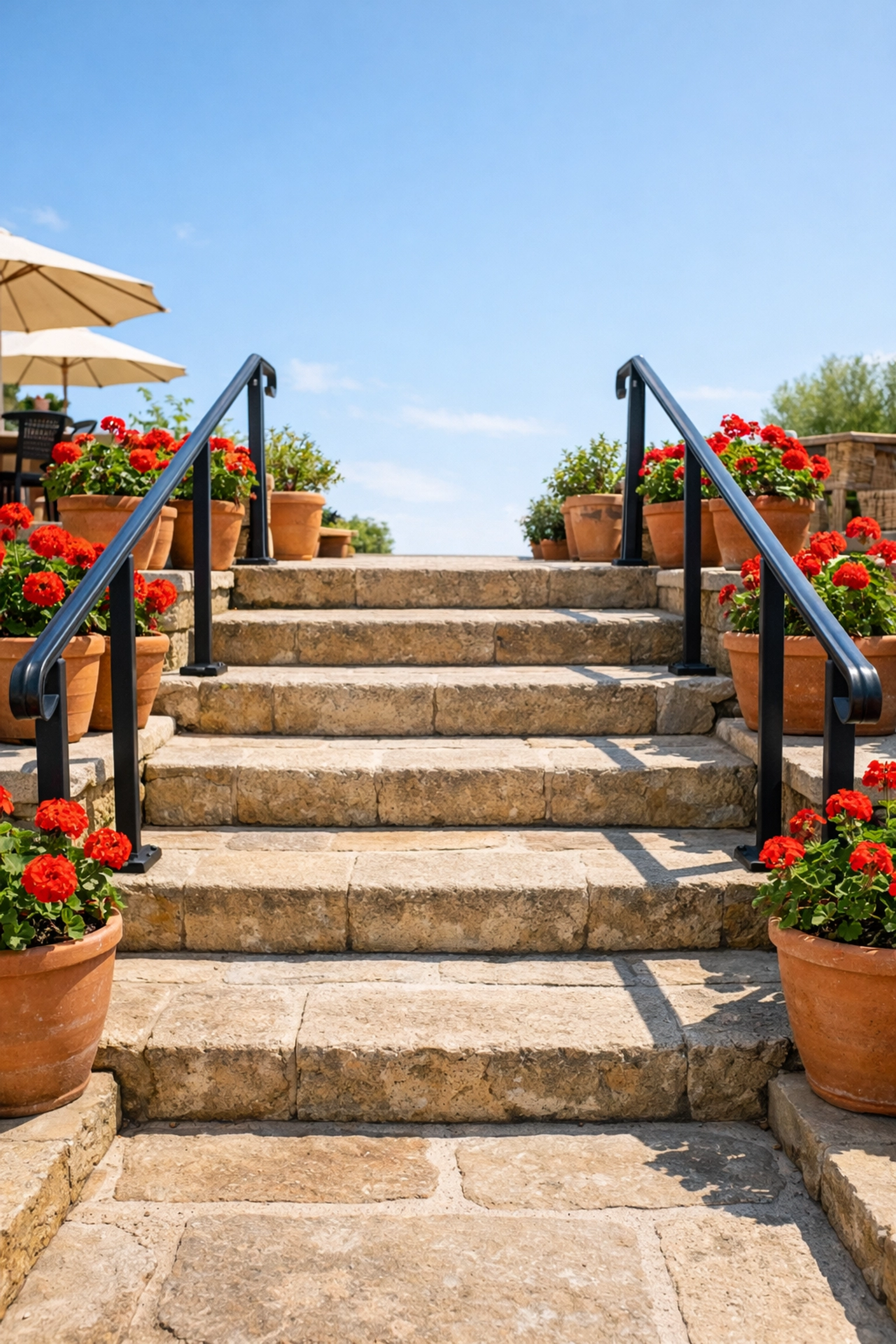
Outdoor steps are often exposed to the elements, making them more hazardous than indoor stairs. While many outdoor steps have a railing on one side, having handrails on both sides provides significantly more stability.
This allows you to use both arms for support, which is especially helpful if one side of your body is weaker than the other. Ensure the railings are sturdy, easy to grip, and extend slightly beyond the top and bottom steps so you have a firm hold before you start your ascent or descent.
13. Stay Hydrated and Watch the Heat
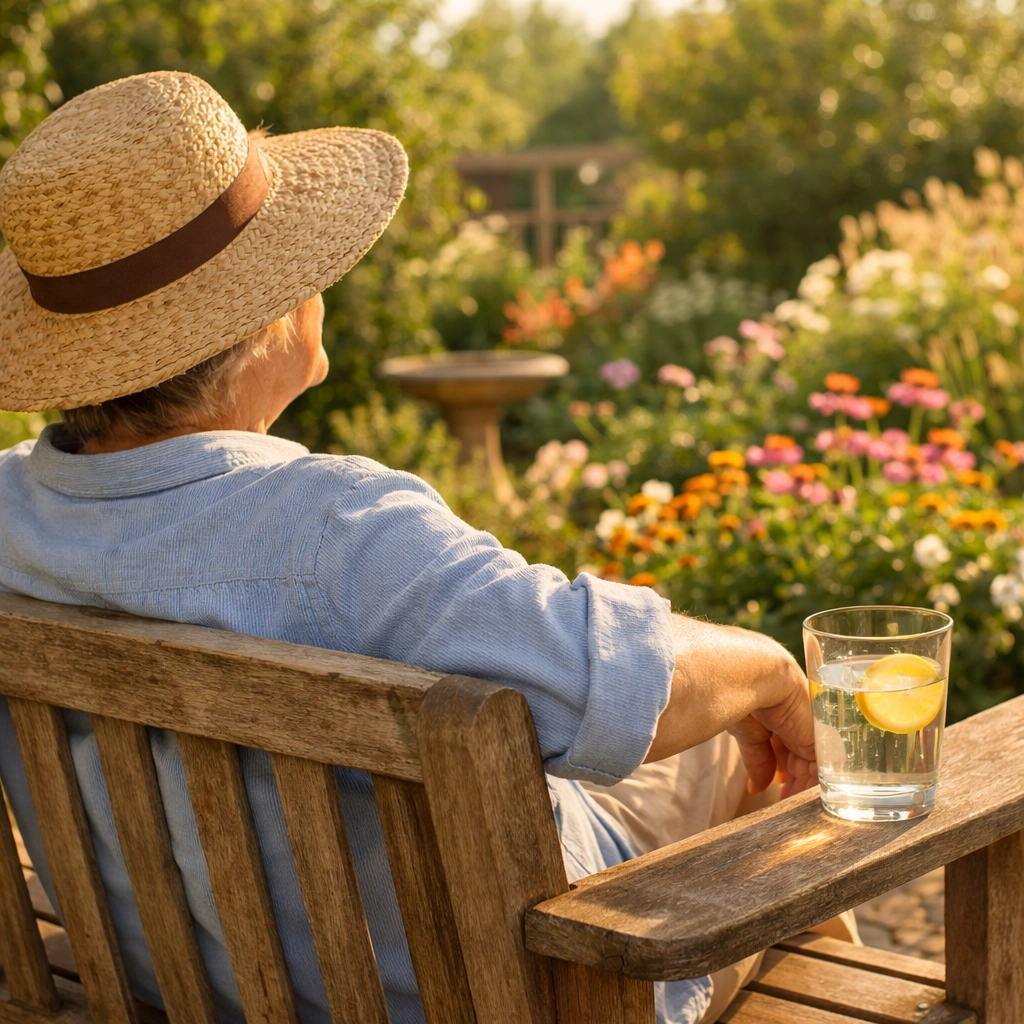
It might not seem like a direct "fall risk," but dehydration and heat exhaustion are leading causes of dizziness and fainting in the garden. When you are focused on your plants, it’s easy to lose track of time and how much water you’ve had.
Dizziness leads to falls. Always carry a water bottle with you and take frequent breaks in the shade. If you start to feel lightheaded or "wobbly," sit down immediately. It is much better to sit on the grass on purpose than to fall onto it by accident.
14. Keep Your Garden Hoses Coiled
A garden hose left snaking across a path is one of the most common trip hazards in any yard. Because they are often green or black, they blend into the grass or shadows.
Invest in a high-quality hose reel or a self-coiling hose. Make it a strict habit to wind up the hose as soon as you are finished watering. This simple bit of "housekeeping" removes a major obstacle from your walking path.
15. Listen to Your Body
The most effective tool in your fall-prevention toolkit is your own intuition. If you wake up feeling a little stiff or if the wind is blowing particularly hard, it might not be the best day for heavy yard work.
Physical activity like Tai Chi or gentle stretching can help improve your balance over time, but on any given day, respect your limits. If a task feels "sketchy" or makes you feel nervous, listen to that feeling. There is no shame in asking a neighbor, a family member, or a professional to help with the more physically demanding aspects of outdoor maintenance.
Final Thoughts
The outdoors should be a place of relaxation and connection. By making these small adjustments to your footwear, your environment, and your habits, you can significantly reduce the risk of a fall. Staying safe doesn’t mean doing less; it means doing things smarter. We hope these tips give you the confidence to get back out into the garden and enjoy everything the season has to offer. Remember, balance is a lifelong practice, and your safety is always worth the extra effort.

