
For many seniors, the stairs represent more than just a way to move between floors; they represent a challenge to independence. As we age, changes in balance, vision, and muscle strength can make navigating a staircase feel precarious. However, moving to a single-story home isn't always the first or best option. With the right modifications and mobility aids, stairs can remain a safe part of a home environment.
Securing a staircase requires a multi-layered approach. It involves improving the physical structure of the stairs, enhancing visibility, and providing the individual with tools that offer mechanical or physical support. Below is an in-depth look at 15 mobility aids and modifications designed to help seniors secure their stairs and significantly reduce the risk of falls.
1. Dual Handrails
Most standard building codes only require a handrail on one side of a staircase. For seniors, having a rail on both sides provides a much higher level of stability. This allows a person to use both arms to pull themselves up or steady themselves while descending. It also ensures that a support is always available to the dominant hand, regardless of the direction of travel. When installing a second rail, it is essential to ensure it is at the same height as the existing one and that it spans the entire length of the staircase, including a slight extension beyond the top and bottom steps to allow for a safe transition.
2. Mechanical Stair Climbing Assistants
A relatively new innovation in home safety is the mechanical stair climber, such as the AssiStep or TOPRO Step. Unlike a motorized lift, these devices are designed for individuals who can still walk but need extra security. The system consists of a rail mounted to the wall with a handle that the user pushes in front of them. The handle locks into place if pressure is applied downward or backward, acting like a portable banister that moves with you. This aid encourages physical activity while providing a "safety brake" that prevents a fall if a person loses their balance or feels faint.
3. Straight Stairlifts
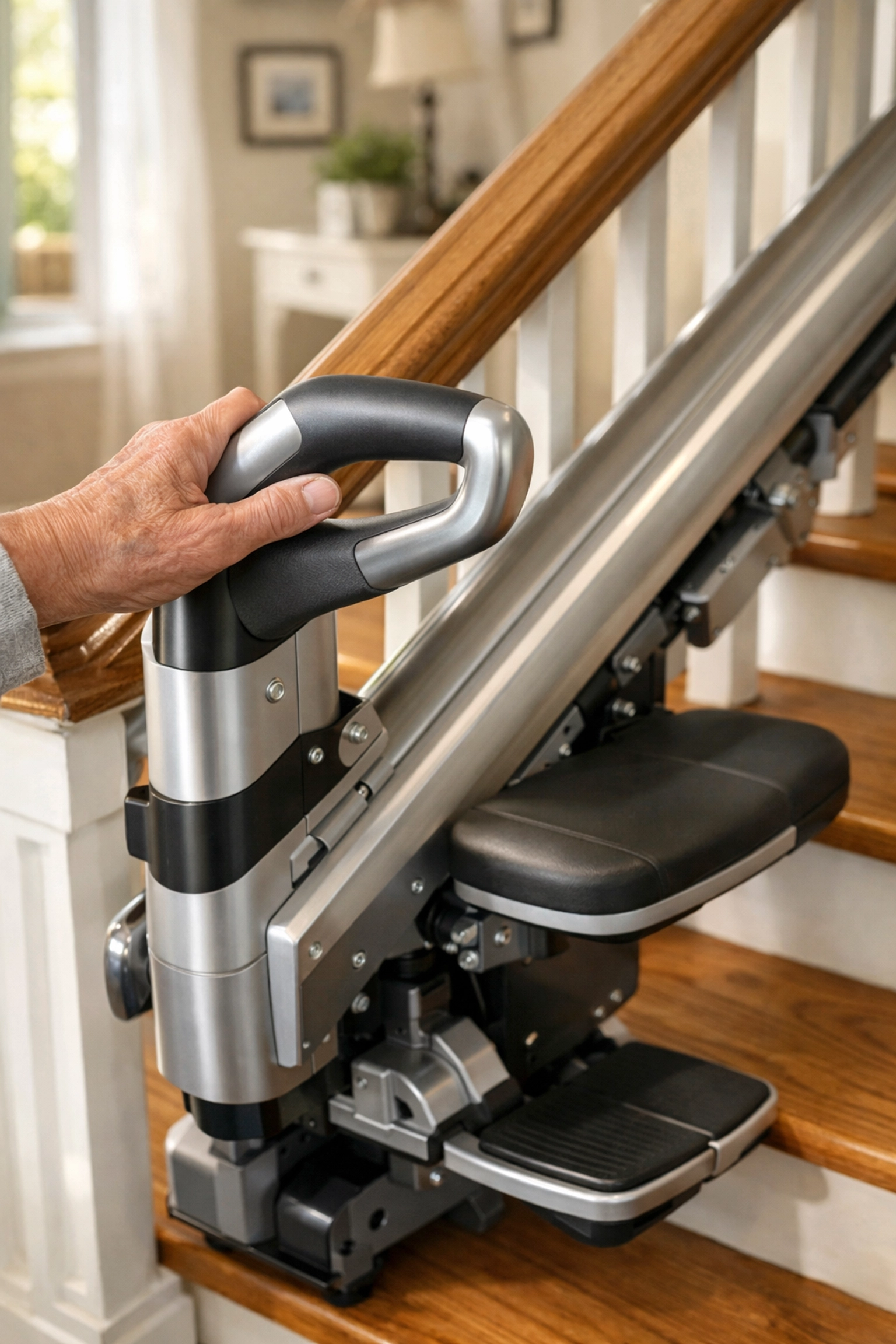
For those who find the physical exertion of climbing stairs too taxing or painful due to arthritis or respiratory issues, a straight stairlift is a standard solution. These motorized chairs travel along a rail mounted to the stair treads. They are designed for staircases that do not have curves, landings, or turns. Modern units feature swivel seats that turn away from the stairs at the top, allowing the user to stand up onto a flat landing rather than the edge of a step.
4. Curved Stairlifts
If a home has a staircase with a landing, a 90-degree turn, or a spiral design, a curved stairlift is necessary. These are custom-built to follow the specific contour of the wall or railing. While more complex than straight lifts, they provide seamless transport from the ground floor to the upper level without requiring the user to transfer between chairs at a landing. They often include safety sensors that stop the chair if an obstruction, such as a pet or a dropped object, is detected on the track.
5. Non-Slip Stair Treads
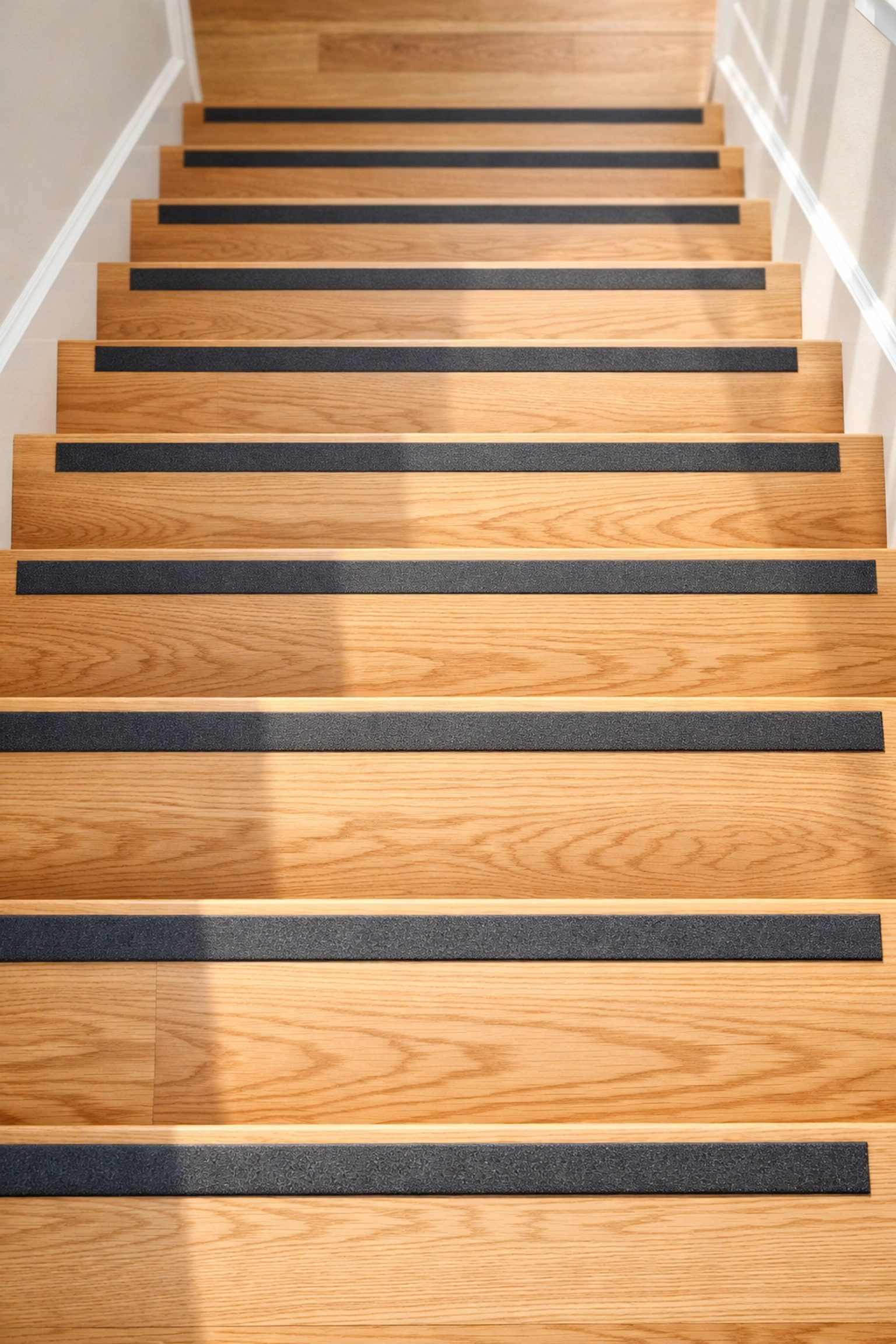
Hardwood, tile, or polished stone stairs can be incredibly slippery, especially when wearing socks or smooth-soled slippers. Non-slip stair treads are individual mats or covers made of rubber, carpet, or abrasive material that are adhered to each step. They provide essential traction and create a clear "landing zone" for the foot. When selecting treads, look for low-profile options that won't create a trip hazard and ensure they are securely fastened so they don't slide under the weight of a foot.
6. Contrast Nosing and Visibility Strips
Vision often declines with age, making it difficult to distinguish where one step ends and the next begins, especially in low light. Contrast nosing involves applying a strip of brightly colored or reflective tape to the edge (the "nose") of each step. By creating a visual distinction between the horizontal and vertical parts of the stairs, seniors can more accurately judge the depth of each step, reducing the likelihood of missteps or "air-steps" that lead to falls.
7. Motion-Activated Stair Lighting
Traditional overhead lighting can sometimes cast shadows that hide the edges of steps. Motion-activated LED strips or "puck" lights installed along the baseboard or underneath the lip of each tread ensure the path is illuminated as soon as a person approaches the stairs. This is particularly helpful for nighttime trips. Because they are motion-activated, there is no need to fumble for a light switch in the dark, which is a common moment for balance loss.
8. Incline Platform Lifts
For seniors who use wheelchairs or power scooters, a standard stairlift isn't sufficient because it requires a transfer from the mobility device to the lift chair. An incline platform lift features a flat platform that travels along the staircase, allowing the user to remain in their wheelchair. These are robust devices that require significant space but are invaluable for maintaining full-home access for those with limited lower-body mobility.
9. Quad Canes Designed for Stairs
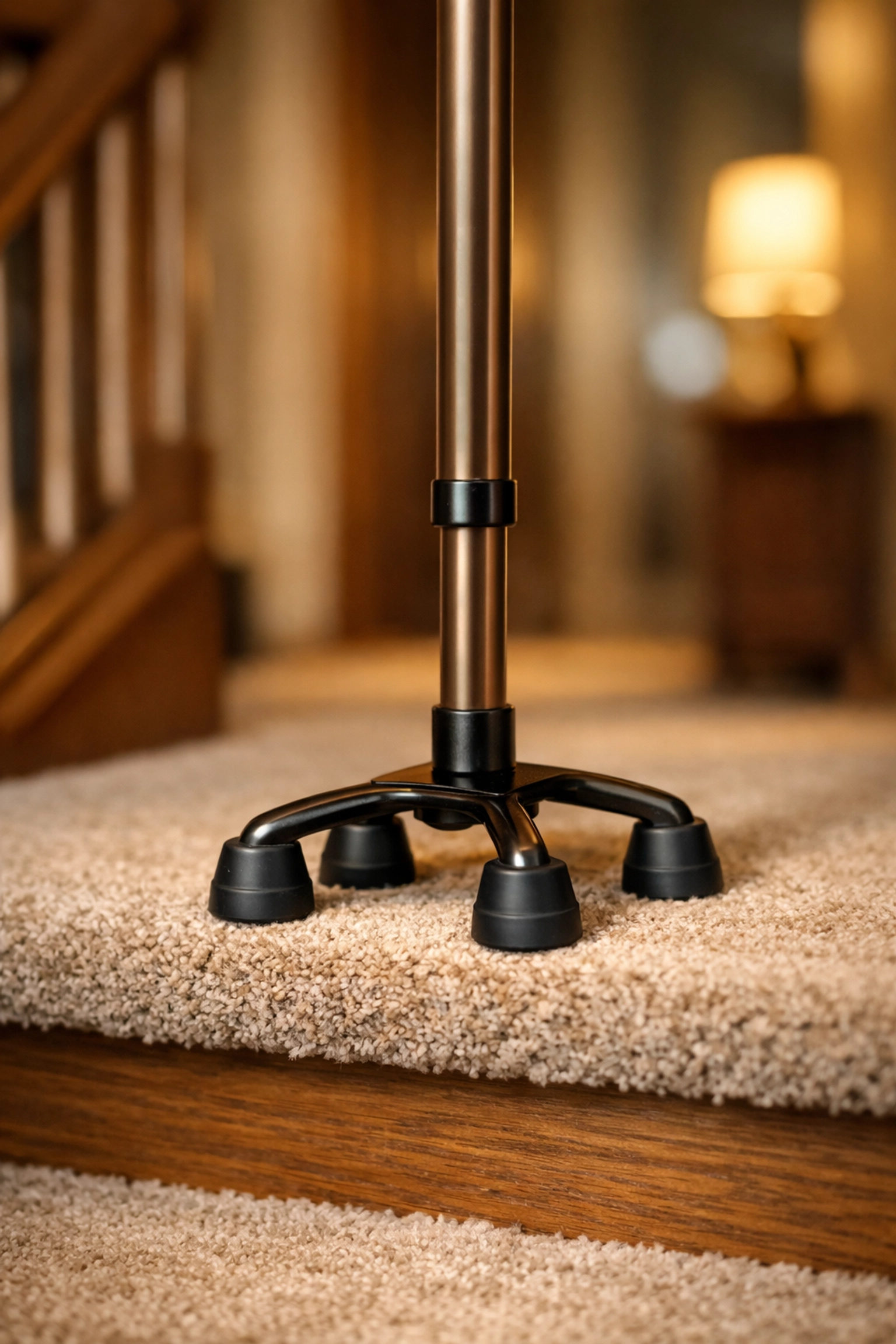
While a standard cane provides some balance, a quad cane: one with four small feet at the base: offers much more stability. However, many quad canes have a base that is too wide for standard stair treads. Specialized "stair-climbing" quad canes feature a narrower base designed specifically to fit securely on a step. This allows the user to have a stable, four-point platform to lean on as they move from one step to the next.
10. Step-Up Blocks (Half-Steps)
If the "rise" of a step (the height from one tread to the next) is too high due to knee or hip stiffness, a half-step or step-up block can be used. These are portable, weather-resistant platforms that are placed on an existing step to cut the height of the climb in half. While most commonly used for outdoor entry steps, they can be adapted for indoor use in certain architectural configurations to make a steep climb more manageable.
11. Vertical Platform Lifts (VPLs)
In homes where the staircase is located in an open area or where an outdoor porch requires access, a vertical platform lift may be an alternative to a traditional ramp or stairlift. Often called "porch lifts," these function like a mini-elevator, moving the user vertically from one level to another. They are ideal for situations where a ramp would be too long or steep to be safe.
12. Non-Slip Indoor Footwear
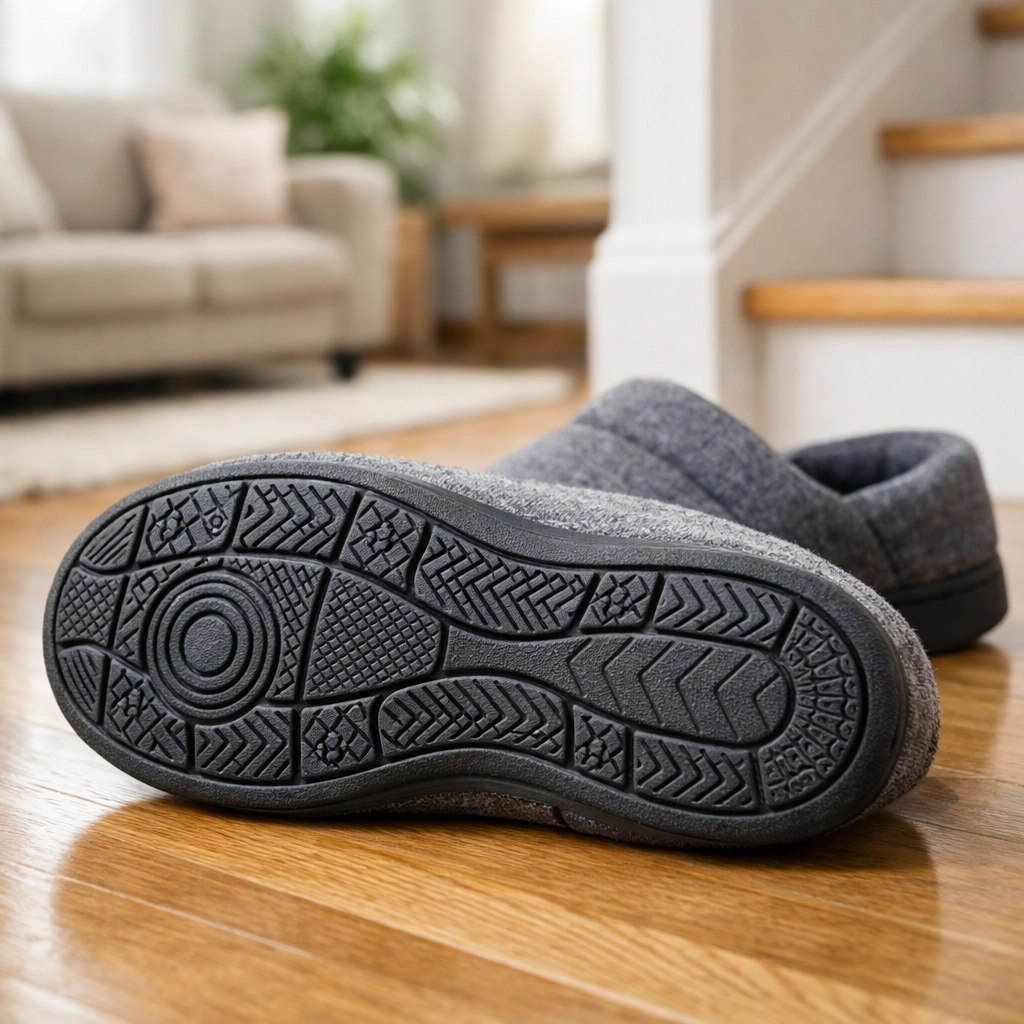
While not a modification to the stairs themselves, the footwear a senior wears is a critical "mobility aid." Many falls occur because of loose slippers or smooth socks. Using footwear with non-slip rubber soles and closed heels provides the grip needed to navigate stairs safely. Some seniors prefer specialized "grip socks" with silicone treads on the bottom, though a firm-soled shoe is generally recommended for maximum stability on stairs.
13. Smart Fall Detection Sensors
Technology can serve as a safety net when physical aids aren't enough. Installing smart sensors near the top and bottom of a staircase can monitor for unusual movements. Some modern systems use AI-driven cameras or wall-mounted sensors (that do not require wearing a pendant) to detect if someone has fallen on the stairs and can automatically alert family members or emergency services. This provides peace of mind that help will be on the way even if the individual cannot reach a phone.
14. Permanent Ramp Installations
For small flights of stairs (two or three steps) leading into a home or between sunken rooms, a permanent ramp might be the safest mobility aid. Ramps eliminate the need for the vertical lifting of the legs entirely. When installing a ramp, the slope must be gentle: typically a 1:12 ratio (one inch of rise for every twelve inches of length): to ensure it can be navigated safely with a walker or wheelchair.
15. Handrail Extensions and Returns
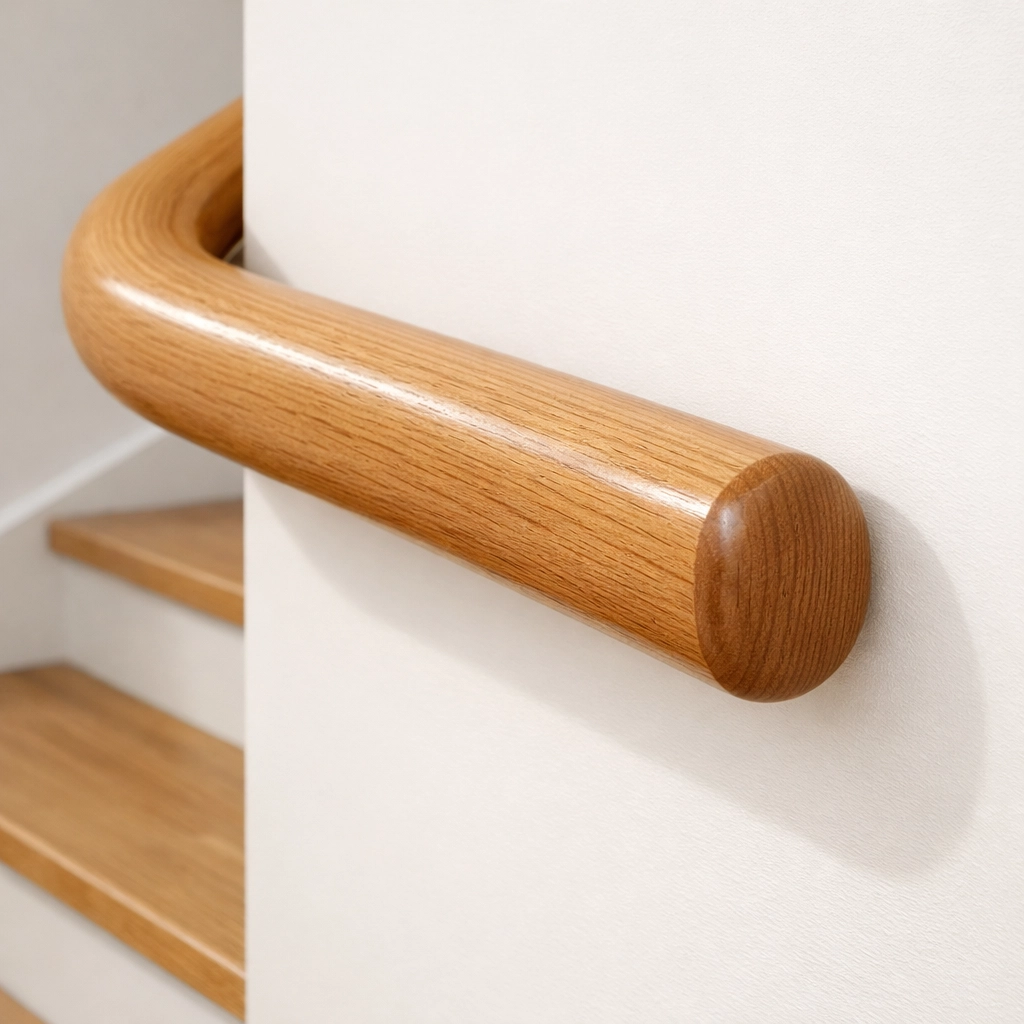
A common danger point is the very top or bottom of the stairs, where the handrail ends. If the rail stops exactly at the last step, the user may have to let go while they are still transitioning their weight to flat ground. Handrail extensions allow the senior to keep their grip for an extra 12 to 18 inches past the staircase. "Returns" are the curved ends of the handrail that turn back into the wall; these prevent sleeves or bags from catching on the end of the rail, which could cause a sudden jolt and a loss of balance.
Evaluating the Right Solution
Choosing the right combination of these aids depends on the specific needs of the senior and the layout of the home. A physical therapist or an occupational therapist can conduct a home safety assessment to determine which tools are most appropriate.
For many, the solution is a combination of low-tech and high-tech options. For instance, installing dual handrails and contrast strips is a cost-effective way to make a significant impact immediately, while a stairlift might be a longer-term investment as mobility needs change.
The goal of securing stairs is not just about preventing a fall; it is about restoring the confidence of the person living in the home. When a senior feels secure on their stairs, they are more likely to remain active, move throughout their entire living space, and maintain the independence that is so vital to their quality of life. By addressing the physical, visual, and mechanical aspects of stair safety, we can ensure that the home remains a safe haven rather than a place of risk.

