
Hi, I’m Brian Kerr, the founder of Fall Guys Products. Over the years, I’ve spoken with hundreds of families who have taken proactive steps to make their homes safer. They’ve moved rugs, installed a grab bar or two, and checked the lighting. Yet, despite these efforts, a "near miss" or a tumble still occurs.
It can be frustrating and even a bit scary when you feel like you’ve done everything right, but the risk remains. If you’re feeling like your home fall prevention plan isn’t quite hitting the mark, don't worry. Often, the issue isn't a lack of effort: it's that the plan has a few subtle "blind spots" that are easy to overlook.
Fall prevention isn't a one-time event; it’s an ongoing process of adjustment. In this guide, we’re going to look at ten common reasons why these plans fail and, more importantly, how you can fix them to create a truly supportive environment.
1. The "Shadow Zone" Problem: Poor Lighting Transitions
Most people know that dark rooms are dangerous. You’ve likely installed bright bulbs in the main living areas. However, a common reason plans fail is a lack of attention to "transition zones."
A transition zone is the space between a bright room and a dark one: like a hallway leading from a lit living room to a dark bedroom. When your eyes have to adjust quickly to changing light levels, you can experience temporary "blindness" or depth-perception issues. This is especially true for seniors, whose eyes may take longer to adjust to light changes.
How to Fix It:
- Install Motion-Sensing Lights: Place these in hallways and near the bed so the path is illuminated before you even take a step.
- Check the Lumens: Ensure that the "path of travel" throughout the house has consistent light levels.
- Eliminate Glare: Use frosted bulbs or shades. Bright, direct light bouncing off polished floors can be just as disorienting as a dark room.
2. The Psychology of "Just for a Moment" Clutter
You might have cleared the main walkways, but fall prevention plans often fail because of temporary hazards. We all do it: we leave a package by the door "just for a minute," or we kick off our shoes in the entry hall intending to put them away later.
In the world of fall prevention, "just for a minute" is often when the accident happens. We tend to navigate our homes on autopilot. If a new object appears in a familiar path, our brains might not register it until it’s too late.
How to Fix It:
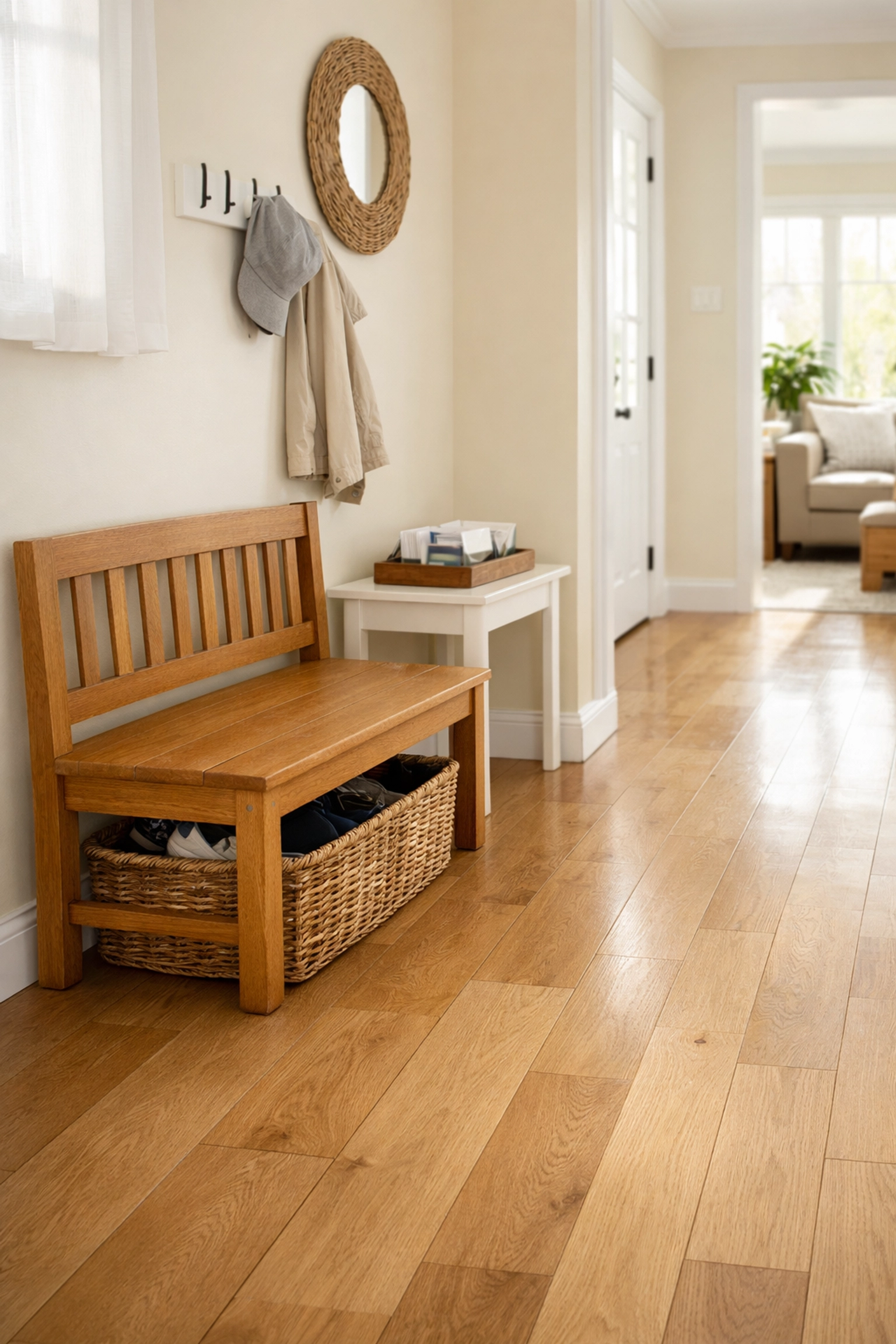
- Establish "Landing Zones": Create specific, elevated spots for mail, packages, and bags so they never touch the floor.
- The "Clear Path" Rule: Make it a habit to keep a three-foot-wide "permanent clear zone" in every room.
- Manage Cords Professionally: Use cord channels or clips to secure electronics against the baseboards. Never run a cord under a rug, as this creates a hidden hump.
3. Assistive Devices That Don't Match the Need
Sometimes a plan fails because the tools being used aren't the right fit for the specific physical requirement. For example, a person might be using a standard towel bar for balance in the bathroom, or perhaps they have a bed rail that is designed only to keep them from rolling out of bed, rather than helping them stand up.
Using a device for a purpose it wasn't intended for can be more dangerous than having no device at all. If a rail isn't rated for weight-bearing support, it could pull away from the wall or bed frame when you need it most.
How to Fix It:
- Understand the Difference: Learn the distinction between "safety rails" (designed to prevent falls from a surface) and "assist rails" or "transfer poles" (designed to provide leverage for standing).
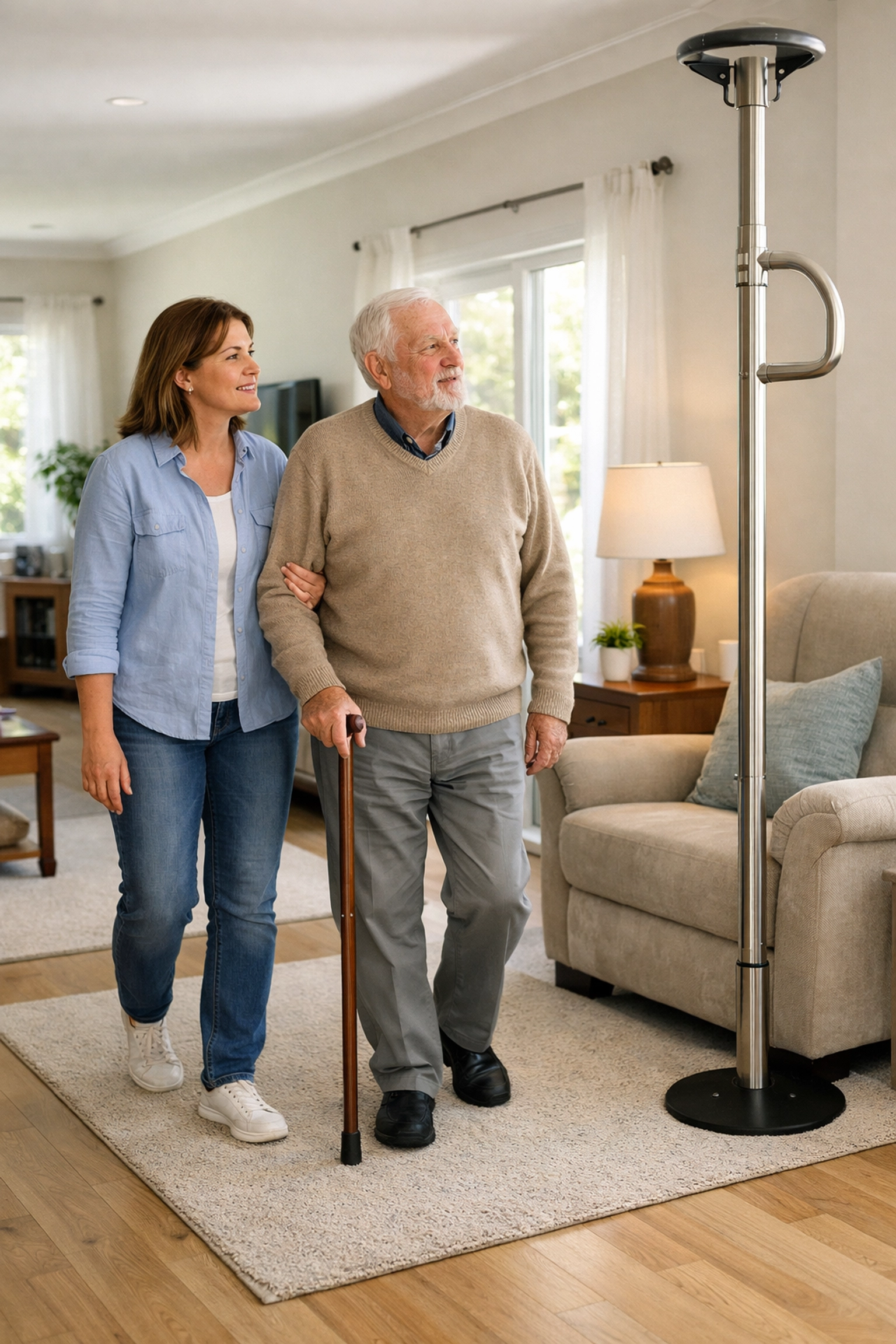
- Professional Assessment: Consider having a Physical Therapist (PT) or Occupational Therapist (OT) perform a mobility assessment. They can recommend specific types of equipment, such as floor-to-ceiling transfer poles or bariatric-rated supports, based on your height, weight, and grip strength.
4. The Bathroom Wet-Zone Blind Spot
Many people stop after installing a single grab bar near the shower. While that’s a great start, it often ignores the "wet-zone transition." The most dangerous moment in the bathroom is frequently the second your wet foot hits the floor outside the tub.
If your plan doesn't account for the moisture that travels with you, the floor becomes a skating rink.
How to Fix It:
- Extend the Support: Ensure there is a secure handhold available before you step out of the shower and until you are fully balanced on a dry surface.
- Non-Slip Treatments: Beyond just mats (which can sometimes be trip hazards themselves), look into non-slip floor treatments or textured tiles that provide grip even when wet.
- Seated Grooming: Consider a sturdy shower chair or a bench that allows you to dry off while seated, reducing the time spent balancing on one leg.
5. Staircases: More Than Just Handrails
We often check that the handrails are sturdy and call the stairs "safe." However, stairs are complex. A plan might fail because the "nose" of the stair (the edge) is hard to see, or because the carpet is slightly loose.
Another common issue is "single-side support." If you have a rail on only one side, you are safe going up, but you may have nothing to hold onto with your dominant hand while coming down.
How to Fix It:
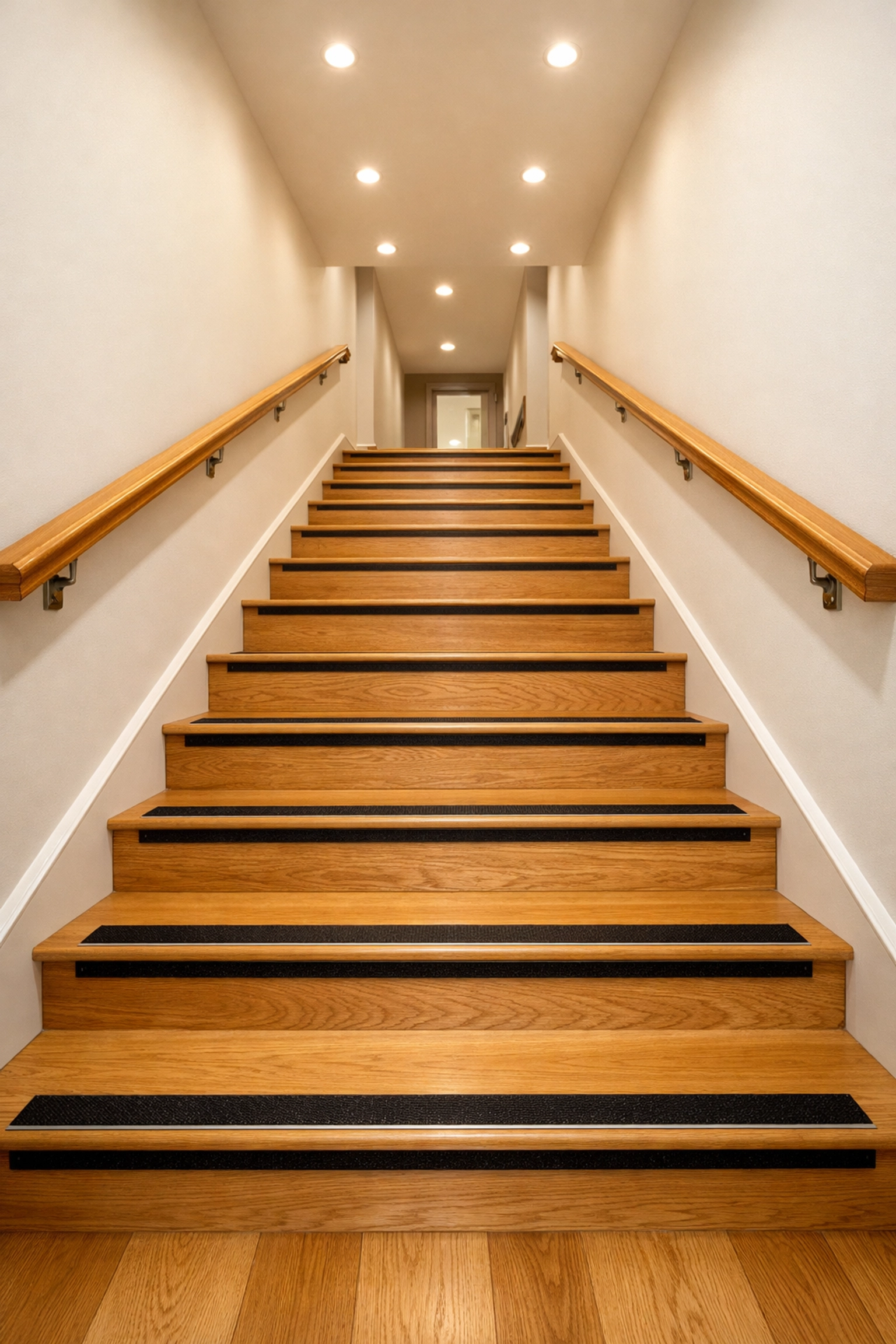
- Double Rails: Install handrails on both sides of every staircase, extending them slightly past the top and bottom steps so you have support before you start climbing or descending.
- Contrast Strips: Apply high-contrast non-slip tape to the edge of each step. This helps your brain clearly identify where one step ends and the next begins.
- Check the "Rise and Run": If steps are uneven or too steep, a carpenter may need to make structural adjustments.
6. Overlooking "Internal" Health Factors
You can make a home as safe as a padded cell, but if the person living in it is experiencing vertigo, vision loss, or muscle weakness, falls will still happen. A home safety plan is only half of the equation; the other half is the "internal" landscape of the resident.
Many plans fail because they focus 100% on the furniture and 0% on the person’s physical health.
How to Fix It:
- Vision Checks: Ensure eye exams are done annually. Conditions like glaucoma or cataracts can drastically reduce depth perception.
- Strength and Balance Training: Programs like Tai Chi or specific PT-led balance exercises can "fix" the internal stability issues that physical rails cannot.
- Hydration and Nutrition: Dehydration is a leading cause of dizziness and fainting in seniors. Ensure your plan includes easy access to water and bone-healthy nutrition.
7. The Silent Influence of Medications
This is perhaps the most overlooked aspect of fall prevention. Many medications: or combinations of medications: can cause side effects like drowsiness, "brain fog," or orthostatic hypotension (a sudden drop in blood pressure when standing up).
If your fall prevention plan doesn't include a regular medication review, you're missing a massive piece of the puzzle.
How to Fix It:
- The "Brown Bag" Review: Take all your medications (including supplements and over-the-counter pills) to your pharmacist or doctor. Ask specifically, "Which of these increase my risk of falling?"
- Monitor Timing: Some medications are best taken before bed if they cause dizziness, while others should be taken with food to prevent lightheadedness.
- Be Careful with Changes: Be extra vigilant for the first two weeks after starting any new prescription.
8. The Footwear Oversight
Are you walking around the house in floppy slippers, or worse, just socks? If so, your fall prevention plan is being undermined from the ground up. Socks on hardwood or tile are incredibly slick, and backless slippers offer no lateral support, making it easy for an ankle to turn.
How to Fix It:
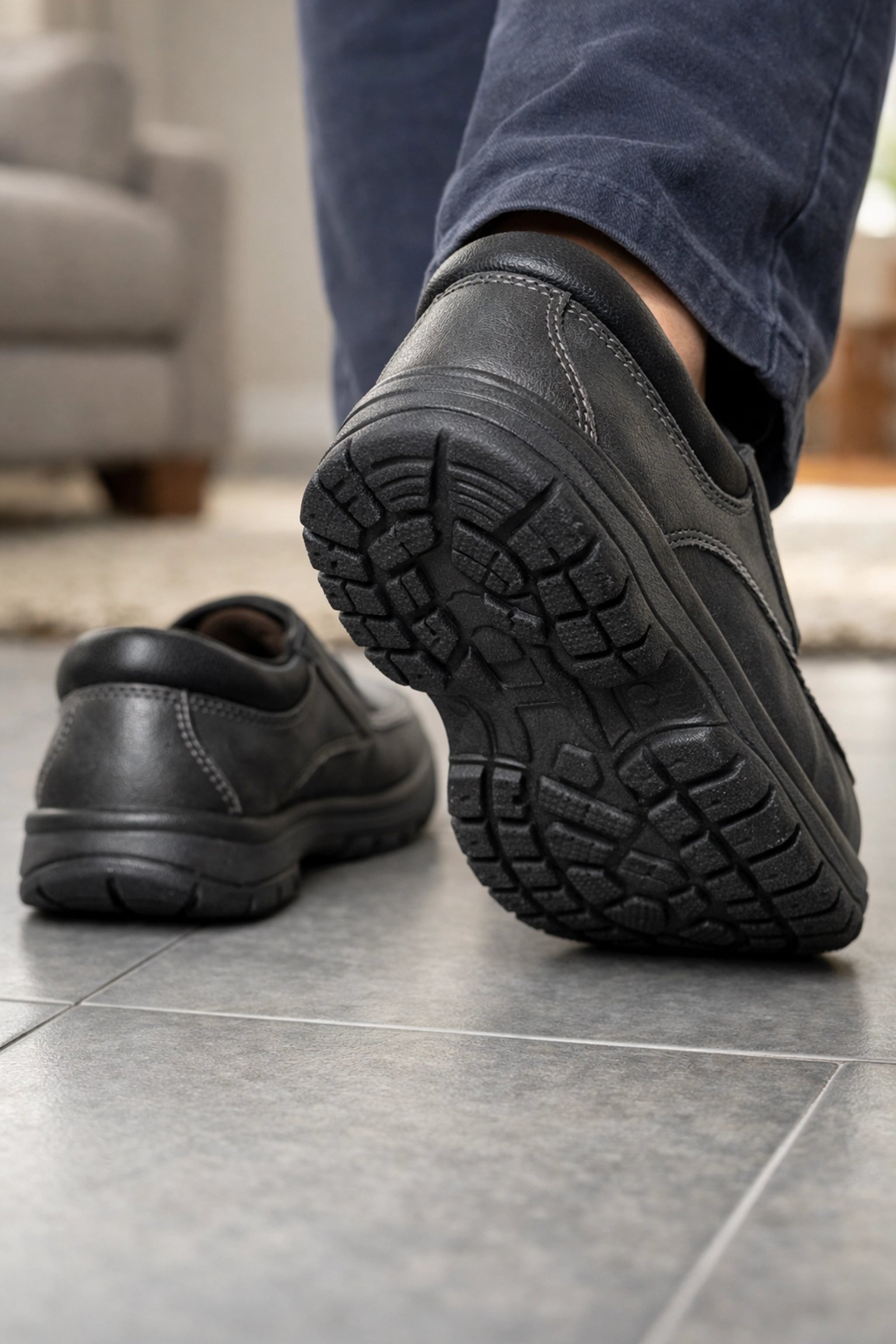
- Inside-Only Shoes: Invest in a supportive pair of shoes with rubber soles that are only worn inside the house. This keeps the floors clean while providing the grip of a sneaker.
- Heel Support: Ensure all footwear has a closed back.
- Avoid "Super-Grip" Shoes on Carpet: Interestingly, shoes with too much grip on thick carpet can cause "stump-toe" trips. The shoe should match the floor surface.
9. The "Urgency Trap" (Bathroom Rushing)
A very common cause of falls is "urge incontinence" or simply the need to get to the bathroom quickly in the middle of the night. When we feel an urgent need to move, we tend to forget our safety training. We might skip using our walker, forget to turn on the light, or move faster than our balance allows.
How to Fix It:
- Clear the "Night Path": Ensure the path from the bed to the bathroom is the most reinforced area of the house, with floor-to-ceiling poles or wall-mounted rails.
- Timed Voiding: Don't wait for the urge. Going to the bathroom on a schedule (e.g., every two hours) can reduce the need to rush.
- Bedside Options: In some cases, having a bedside commode for nighttime use can eliminate the "dash" entirely.
10. The "Set It and Forget It" Mentality
The final reason a plan fails is that it remains static while life changes. A plan that worked when you were 70 might not work when you are 75. A plan that worked before a knee replacement won't be sufficient after one.
Home fall prevention is a living document. Hazards change (a floorboard warps, a lightbulb dies), and health conditions evolve (a new diagnosis or a change in mobility).
How to Fix It:
- The Quarterly Walk-Through: Every three months, walk through the home with a critical eye. Check for loose rails, dim lights, and new clutter.
- Post-Fall Debrief: If a fall or a "near-miss" occurs, don't just brush it off. Sit down and ask: Why did this happen exactly here? What was missing?
- Update the Plan Monthly: Keep a checklist on the fridge. If a new health concern arises, update the physical environment to match it immediately.
Building Confidence, One Step at a Time
Fixing a fall prevention plan isn't about being paranoid; it's about being prepared. It's about creating an environment where you or your loved one can move with confidence and independence.
By looking at these ten areas: lighting, habits, equipment, bathrooms, stairs, health, medication, footwear, urgency, and regular reviews: you can turn a "decent" plan into a truly effective safety net. Remember, the goal isn't just to prevent a fall; it's to provide the peace of mind that allows you to enjoy your home to the fullest.
Take it one room at a time, and don't hesitate to reach out to professionals like physical therapists or mobility specialists to help you refine your approach. Your safety is worth the extra look.

